Introduction
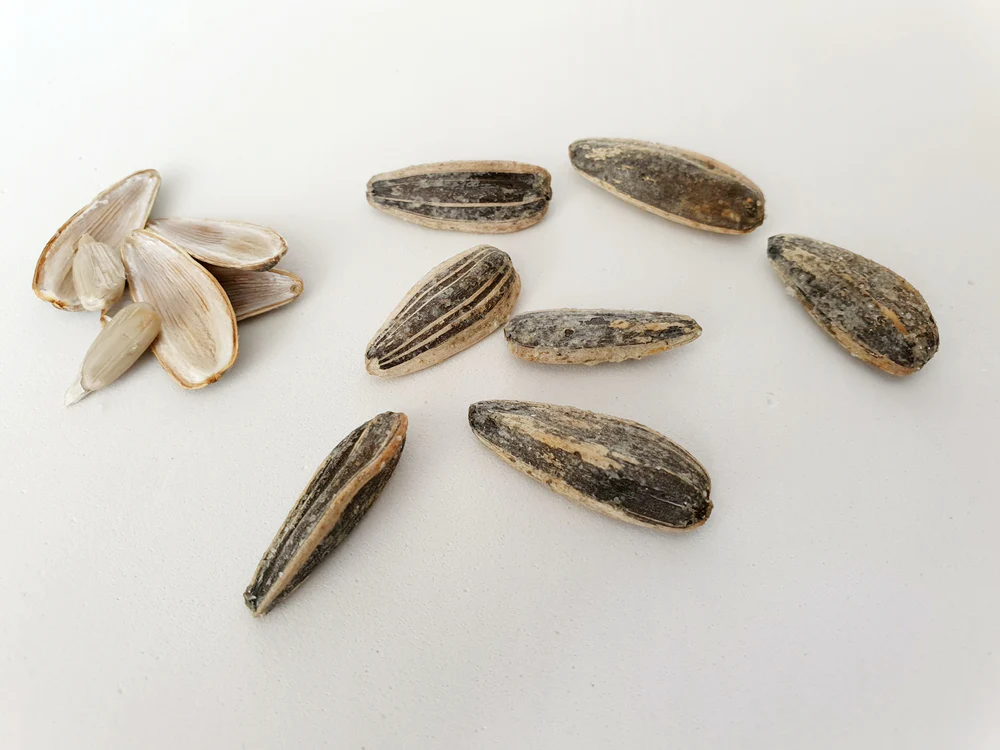
Pepper flavored sunflower seeds represent a significant segment within the global snack food market, specifically categorized as processed seed products. Their export is heavily reliant on consistent quality control, adherence to international food safety regulations, and efficient supply chain management. These seeds occupy a unique position; they are neither a staple agricultural commodity like raw sunflower seeds nor a highly processed confectionary item. This intermediate status dictates specific manufacturing considerations and requires exporters to demonstrate expertise across several disciplines – agricultural sourcing, flavor encapsulation technology, and maintaining seed integrity during processing and long-distance transport. The core performance metrics for exporters revolve around maintaining seed viability (flavor retention), minimizing kernel damage, controlling moisture content, and ensuring compliance with pesticide residue limits established by importing countries. Failure to meet these criteria results in rejected shipments, financial losses, and potential damage to brand reputation. This guide details the critical aspects of production, quality control, and export requirements for pepper flavored sunflower seeds, serving as a comprehensive resource for industry stakeholders.
Material Science & Manufacturing
The foundational material is the sunflower kernel (Helianthus annuus), which possesses a complex chemical composition comprising approximately 30-40% oil, 20-30% protein, 15-25% carbohydrates, and 5-10% moisture. Kernel quality, determined by oil content, protein profile, and the absence of defects (e.g., chipped kernels, foreign matter), directly impacts the final product. Pepper flavoring is typically achieved through a two-stage process: oil-based seasoning application and dry blending of powdered pepper and other spices. The oil used for seasoning is typically sunflower oil itself, chosen for its neutral flavor and compatibility with the seeds. The pepper component commonly utilizes Oleoresin Capsicum (OC), an extract of chili peppers providing a standardized level of pungency. Manufacturing begins with kernel cleaning and grading to remove impurities. A critical step is the de-hulling process, where the outer shell is removed without damaging the kernel. Following de-hulling, kernels undergo a conditioning phase to adjust moisture content for optimal seasoning adhesion. Seasoning application is performed using rotating drum coaters, where kernels are tumbled while the flavoring oil is sprayed. Precise control of drum speed, spray rate, and oil viscosity is essential for uniform coating. Post-seasoning, a drying process reduces surface oil and moisture, enhancing shelf life and preventing clumping. Finally, seeds are sorted, graded (based on size and color), and packaged in moisture-barrier packaging. Key parameters during manufacturing include: Kernel Moisture Content (7-9%), Oil Absorption Rate (monitored during seasoning), Pepper Oleoresin Concentration (measured via HPLC), and Packaging Oxygen Transmission Rate (OTR) – critical for preventing rancidity.
Performance & Engineering
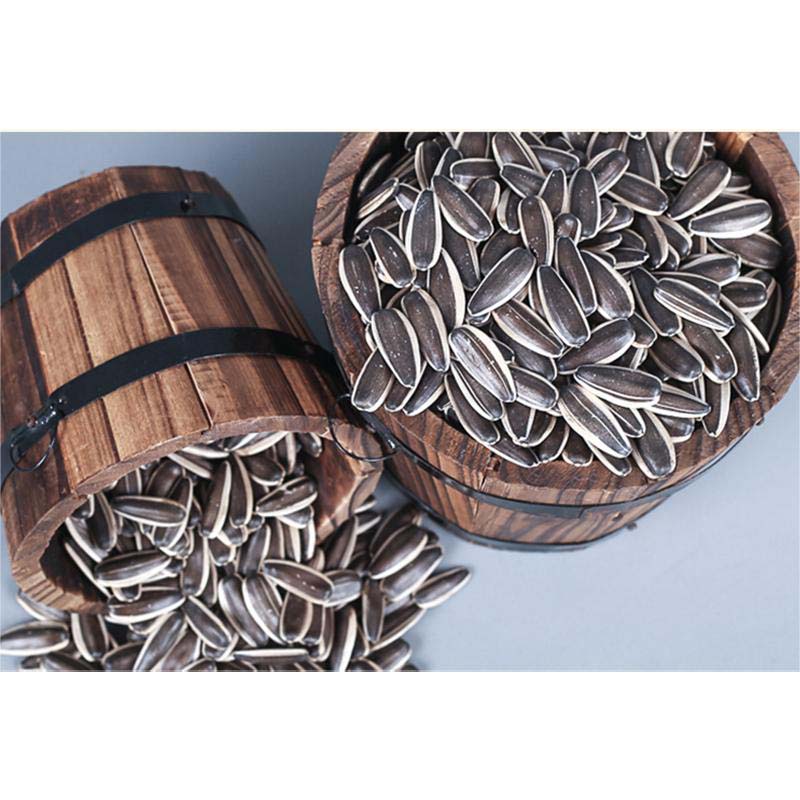
Performance assessment centers around flavor retention, textural integrity, and shelf life stability. Flavor retention is affected by the volatility of pepper compounds and their susceptibility to oxidation. Engineered solutions focus on encapsulation techniques using modified starches or maltodextrins to shield the oleoresin from environmental factors. Textural integrity—the “snap” and crunch of the seed—is linked to moisture content and kernel density. Excessive drying results in brittle seeds, while insufficient drying leads to softness and clumping. Force analysis, utilizing a Texture Analyzer, measures the force required to fracture a seed, providing a quantitative assessment of crunchiness. Environmental resistance is crucial for export applications. Seeds must withstand temperature fluctuations during transit, ranging from freezing conditions in refrigerated containers to high temperatures in tropical climates. Packaging materials are selected to provide a barrier against moisture, oxygen, and light, mitigating degradation. Compliance requirements are dictated by importing country regulations, particularly concerning pesticide residues, mycotoxins (aflatoxins), and heavy metal contamination. The United States FDA, the European Union’s EFSA, and various national standards impose stringent limits on these contaminants. Furthermore, packaging must comply with food contact material regulations (e.g., EU Regulation 1935/2004). Functional implementation of quality control relies on statistical process control (SPC) charts tracking key parameters, enabling early detection of deviations and preventing out-of-specification batches.
Technical Specifications
| Parameter | Unit | Typical Range | Test Method |
|---|---|---|---|
| Moisture Content | % | 7.0 – 9.0 | AOAC 925.10 |
| Oil Content | % | 40 – 50 | Soxhlet Extraction (AOAC 920.39) |
| Kernel Damage (Broken/Chipped) | % | < 2.0 | Visual Inspection |
| Pepper Oleoresin Concentration (Scoville Heat Units) | SHU | 500 – 2000 (Adjustable per customer specification) | HPLC-DAD |
| Peroxide Value (Indicator of Rancidity) | meq O2/kg | < 5.0 | AOCS Cd 8-53 |
| Packaging OTR | cc/m²/day | < 10 | ASTM D3985 |
Failure Mode & Maintenance
Failure modes in pepper flavored sunflower seeds are diverse, impacting both product quality and export viability. Rancidity, caused by lipid oxidation, is a primary concern, manifesting as off-flavors and reduced shelf life. This is exacerbated by exposure to oxygen, light, and elevated temperatures. Flavor degradation, specifically the loss of pepper pungency, arises from the evaporation of volatile flavor compounds and chemical reactions with seed components. Kernel cracking, a mechanical failure, can occur during processing (de-hulling, seasoning) or transportation, leading to increased fines and reduced aesthetic appeal. Aflatoxin contamination, caused by fungal growth (Aspergillus flavus), is a critical safety hazard, requiring strict control of pre-harvest conditions and post-harvest handling. Maintenance focuses on preventative measures. Regular cleaning and sanitation of processing equipment are essential to minimize microbial contamination. Maintaining optimal storage conditions – cool, dry, and dark – slows down oxidation and flavor loss. Implementing a robust first-in, first-out (FIFO) inventory management system ensures that older batches are shipped before newer ones, minimizing the risk of exceeding shelf life. For packaging, periodic inspection for seal integrity is crucial. Failure analysis involves identifying the root cause of defects through techniques like microscopy (to assess kernel damage), gas chromatography-mass spectrometry (GC-MS) to analyze volatile compounds, and ELISA testing for aflatoxin detection.
Industry FAQ
Q: What are the acceptable limits for Aflatoxin B1 in shipments destined for the European Union?
A: The European Union sets a maximum limit of 2.0 micrograms per kilogram (µg/kg) for total Aflatoxins (B1, B2, G1, and G2) in sunflower seeds. Specifically, Aflatoxin B1, being the most toxic, has a limit of 1.0 µg/kg. Exporters must provide a Certificate of Analysis (CoA) from an accredited laboratory demonstrating compliance with these limits.
Q: How can we minimize flavor loss during long-distance ocean freight, particularly in warmer climates?
A: Employing multi-layer packaging with a high-barrier inner layer (e.g., metallized PET/PE laminate) is crucial. Consider using desiccant packets within the packaging to absorb residual moisture and retard oxidation. Temperature-controlled containers are recommended, maintaining a temperature below 25°C. Negotiate with freight forwarders for expedited transit times to minimize exposure to elevated temperatures.
Q: What documentation is typically required for export clearance to the United States?
A: Typically required documents include a commercial invoice, packing list, bill of lading, and a Certificate of Origin. The FDA may require prior notice of arrival for food shipments. A CoA demonstrating compliance with US FDA regulations regarding pesticide residues and contaminants is also essential.
Q: What is the impact of kernel moisture content on seasoning adhesion?
A: Kernel moisture content directly impacts seasoning adhesion. Kernels that are too dry will not readily absorb the seasoning oil, resulting in uneven coating. Kernels that are too moist can lead to clumping and reduced shelf life. The optimal moisture content range for seasoning application is 7-9%.
Q: What methods can be used to accurately measure the Scoville Heat Units (SHU) of the pepper flavoring?
A: While the traditional Scoville Organoleptic Test is subjective, the preferred method for accurate measurement is High-Performance Liquid Chromatography with Diode Array Detection (HPLC-DAD). This technique quantifies the concentration of capsaicinoids, the compounds responsible for pungency, and correlates this to SHU based on established calibration curves.
Conclusion
The successful export of pepper flavored sunflower seeds hinges on a comprehensive understanding of both the agricultural foundations and the intricacies of food processing and preservation. Maintaining consistently high kernel quality, precise control of seasoning parameters, and adherence to stringent international food safety standards are paramount. Exporters must invest in analytical capabilities to accurately monitor key parameters such as moisture content, oil content, and contaminant levels.
Looking forward, advancements in encapsulation technologies and packaging materials offer opportunities to enhance flavor retention and extend shelf life, expanding market reach. Furthermore, proactive engagement with regulatory bodies and a commitment to sustainable sourcing practices will be critical for long-term success in this competitive industry. Continuous improvement through data-driven analysis and process optimization will define leading exporters in the pepper flavored sunflower seed market.
