Introduction
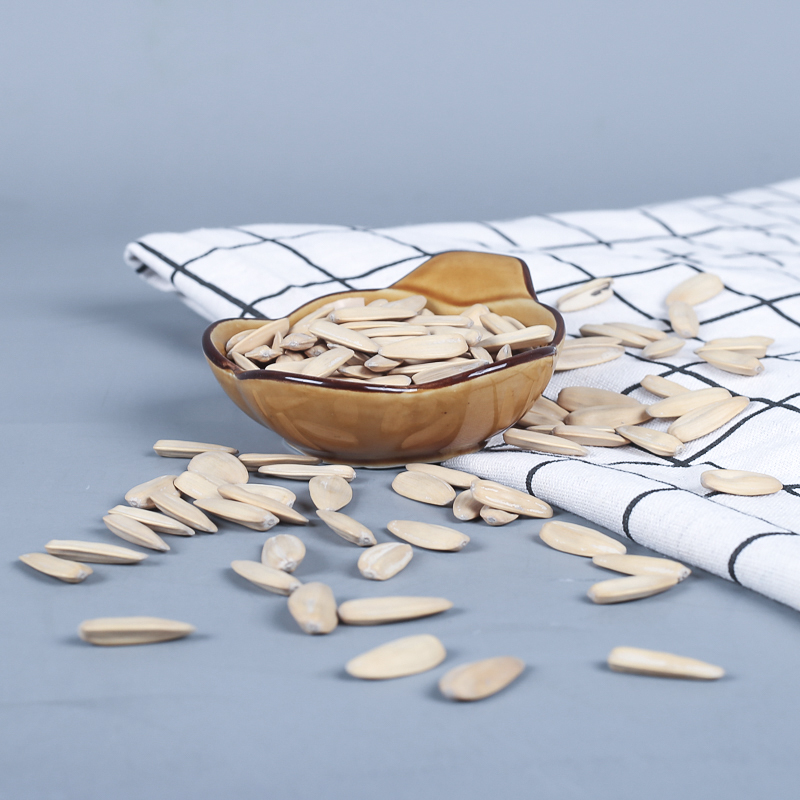
Pepper flavored sunflower seeds represent a significant segment within the processed snack food industry, primarily characterized by their appeal to consumers seeking savory, convenient, and relatively healthy snack options. These seeds, derived from Helianthus annuus, undergo a multi-stage process involving kernel selection, roasting, flavoring, and packaging. The export market for this product is driven by demand for unique flavor profiles, competitive pricing, and consistent quality, placing stringent requirements on producers concerning sourcing, processing hygiene, and adherence to international food safety standards. From a technical standpoint, the critical performance attributes center around maintaining seed integrity (minimizing broken kernels), uniform flavor coating adhesion, acceptable moisture content for shelf-life stability, and avoidance of rancidity. The industry chain begins with sunflower seed cultivation, followed by dehulling, grading, roasting, flavor application, quality control, packaging, and finally, export logistics. This guide will provide an in-depth examination of the material science, manufacturing processes, performance characteristics, potential failure modes, and relevant standards governing the production and export of pepper flavored sunflower seeds.
Material Science & Manufacturing
The foundation of pepper flavored sunflower seeds lies in the inherent properties of the sunflower seed kernel (Helianthus annuus). Kernels are composed primarily of lipids (40-50%), protein (20-25%), carbohydrates (15-20%), and fiber (5-10%). The lipid profile, rich in linoleic acid, contributes to both flavor and susceptibility to oxidative rancidity. The shell, primarily cellulose and lignin, is removed through mechanical dehulling. Roasting, typically conducted at temperatures between 140-180°C, is crucial for developing the characteristic sunflower seed flavor and reducing moisture content. This process initiates Maillard reactions, contributing to flavor development and impacting texture. Flavor application involves coating the roasted seeds with a blend of pepper powders (typically cayenne, black pepper, or paprika), salt, and often, flavor enhancers such as monosodium glutamate (MSG) or disodium inosinate/guanylate (IMP/GMP). The coating is applied using rotating drum coaters or fluidized bed systems, requiring precise control of coating solution viscosity and application rate to ensure uniform coverage. A binder, commonly a food-grade oil (sunflower oil, canola oil) or a starch-based solution, is essential for adhesion. Key process parameters include drum speed, coating solution flow rate, drying temperature, and drying time. Maintaining a controlled atmosphere during drying (low humidity) is critical to prevent moisture absorption and clumping. Packaging materials must provide a barrier against oxygen, moisture, and light to preserve flavor and prevent rancidity.
Performance & Engineering
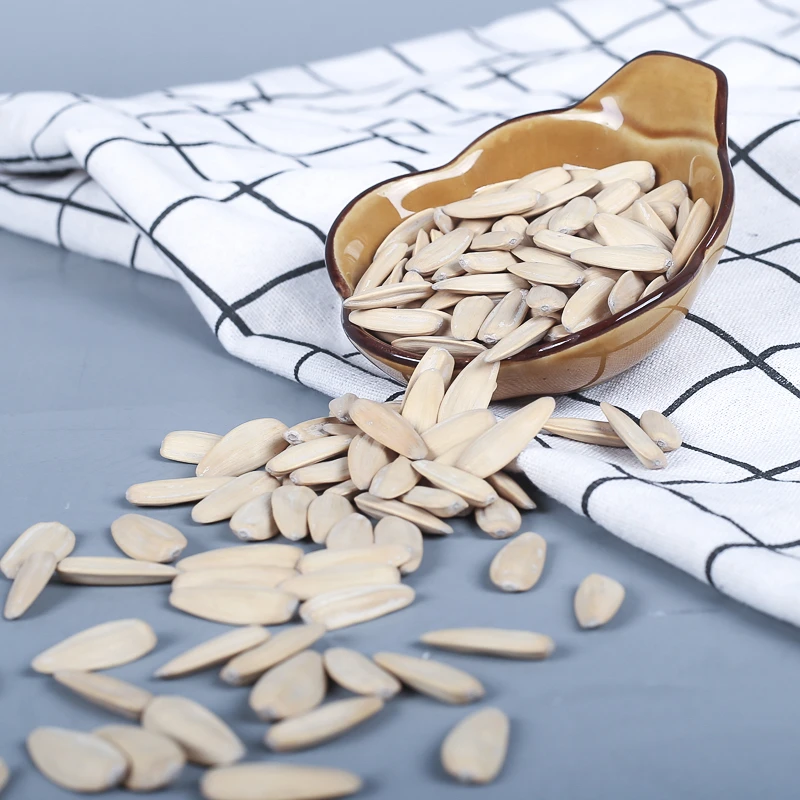
Performance analysis of pepper flavored sunflower seeds centers around maintaining product acceptability through defined physical and chemical parameters. A critical engineering challenge is achieving consistent flavor coating adhesion. Adhesion strength is influenced by surface tension between the seed and coating, coating viscosity, and drying conditions. Shear force analysis can be employed to quantify coating adhesion, with acceptable values typically exceeding a predetermined threshold (e.g., 0.5 N). Another important performance metric is oxidative stability, assessed through the measurement of peroxide value (PV) and anisidine value (AV). High PV/AV values indicate lipid oxidation and development of rancidity. Maintaining low moisture content (<5%) is paramount for shelf-life stability, as increased moisture accelerates oxidation and microbial growth. Environmental resistance testing evaluates the product's ability to withstand temperature fluctuations during storage and transportation. Accelerated shelf-life studies, conducted at elevated temperatures and humidity levels, are used to predict long-term stability. Compliance with food safety regulations (e.g., FDA, EFSA) requires rigorous control of microbial contamination, heavy metal levels, and pesticide residues. Force analysis during packaging operations (filling, sealing) is crucial to prevent seed breakage and maintain package integrity. Particle size distribution of the pepper powders in the coating mixture also impacts sensory perception (heat level) and flowability during application.
Technical Specifications
| Parameter | Specification | Test Method | Acceptance Criteria |
|---|---|---|---|
| Moisture Content | ≤ 5.0% | Karl Fischer Titration (AOAC 925.10) | Reject if > 5.0% |
| Broken Kernel Ratio | ≤ 3.0% | Visual Inspection & Weighting | Reject if > 3.0% |
| Coating Uniformity | Visual: Consistent coverage, no bare spots | Visual Inspection | Subjective assessment; consistent with standard sample |
| Peroxide Value (PV) | ≤ 5.0 meq O2/kg | AOCS Cd 8-53 | Reject if > 5.0 meq O2/kg |
| Anisidine Value (AV) | ≤ 20.0 | AOCS Cd 8-53 | Reject if > 20.0 |
| Salt Content | 1.5 – 2.5% | Argentometric Titration (AOAC 930.45) | Reject if outside range |
Failure Mode & Maintenance
Several failure modes can compromise the quality of pepper flavored sunflower seeds. Oxidative rancidity is a primary concern, leading to off-flavors and reduced shelf life. This is accelerated by exposure to oxygen, light, and elevated temperatures. Coating delamination, caused by insufficient adhesion, results in uneven flavor distribution and reduced palatability. Seed cracking during processing or handling leads to increased broken kernel ratio and aesthetic defects. Microbial contamination, particularly with molds and yeasts, can occur due to inadequate hygiene practices or high moisture content. Package failure (seal defects, punctures) allows ingress of moisture and oxygen, accelerating degradation. Maintenance strategies focus on preventative measures. Regular cleaning and sanitation of processing equipment are crucial to minimize microbial contamination. Proper storage of raw materials (seeds, spices) in cool, dry conditions prevents degradation. Monitoring and control of roasting parameters (temperature, time) ensure optimal flavor development and moisture reduction. Implementing a robust quality control program, including regular testing for moisture content, peroxide value, and microbial load, is essential. Packaging materials should be carefully selected for their barrier properties and inspected for defects. Routine maintenance of coating equipment (drum coaters, fluidized beds) ensures consistent coating application.
Industry FAQ
Q: What are the key factors influencing the shelf life of pepper flavored sunflower seeds?
A: The primary determinants of shelf life are moisture content, lipid oxidation, and packaging integrity. Maintaining low moisture content (<5%), minimizing exposure to oxygen through appropriate packaging, and controlling the initial peroxide value through optimized roasting and ingredient selection are crucial. Temperature control during storage is also vital, as elevated temperatures accelerate degradation.
Q: How can we ensure consistent flavor coating adhesion?
A: Consistent adhesion relies on precise control of the coating process. This includes maintaining the correct coating solution viscosity, optimizing drum speed (or fluidization rate), controlling drying temperature and time, and utilizing an appropriate binder. Seed surface preparation (e.g., light oiling) can also enhance adhesion.
Q: What is the significance of peroxide value and anisidine value in quality control?
A: Peroxide value (PV) and anisidine value (AV) are indicators of lipid oxidation. Elevated values signify rancidity and a decline in product quality. They are routinely monitored to assess the effectiveness of antioxidant measures and storage conditions.
Q: What packaging materials are recommended for long-term storage and export?
A: Multi-layer packaging films offering a high barrier to oxygen, moisture, and light are recommended. Common materials include metallized polyester (MOPP) or polyethylene terephthalate (PET) laminated with polyethylene (PE). The use of nitrogen flushing prior to sealing can further reduce oxygen levels within the package.
Q: What are the critical food safety considerations for export markets?
A: Adherence to the importing country's food safety regulations is paramount. This includes compliance with maximum residue limits (MRLs) for pesticides, heavy metal levels, and microbial limits. Proper documentation (certificates of analysis, HACCP plans) is essential to demonstrate compliance.
Conclusion
The production of high-quality pepper flavored sunflower seeds for export demands a comprehensive understanding of the underlying material science, meticulous control of manufacturing processes, and rigorous adherence to quality control standards. Maintaining seed integrity, ensuring uniform flavor coating, and preventing oxidative degradation are fundamental challenges requiring careful optimization of roasting parameters, coating application techniques, and packaging strategies.
Successful export requires not only technical proficiency but also a thorough awareness of international food safety regulations and a commitment to maintaining consistent product quality. Continuous monitoring, proactive maintenance of equipment, and implementation of robust quality assurance protocols are crucial for mitigating potential failure modes and ensuring long-term market success.
