Introduction
Pepitas, the edible seeds of the pumpkin (Cucurbita pepo), are increasingly vital within the global food supply chain, demanding stringent quality control from suppliers. This technical guide focuses on the key considerations for procurement managers and quality control engineers when sourcing pepitas from suppliers. The industry faces increasing pressure to guarantee consistent kernel size, low levels of peroxide value indicative of rancidity, and adherence to stringent aflatoxin limits. This guide will detail the material science of sunflower seed development, manufacturing processes impacting quality, critical performance parameters, potential failure modes, and relevant international standards. We will address the core pain points of variability in seed quality, the potential for mycotoxin contamination, and the challenges in maintaining consistent oil content and fatty acid profiles.
Material Science & Manufacturing
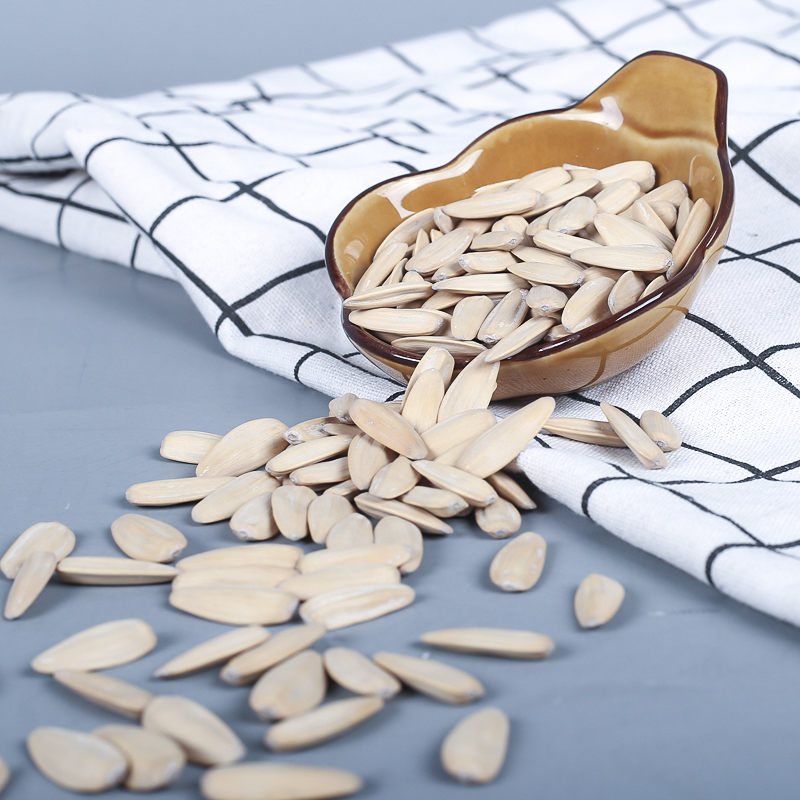
Pepitas are biologically structured seeds consisting of a seed coat (testa), a kernel (cotyledons), and an embryo. The testa composition is predominantly cellulose and hemicellulose, providing a physical barrier against external elements. The kernel is rich in oil (40-50% by weight), primarily linoleic acid (omega-6) and oleic acid (omega-9), along with proteins, carbohydrates, and various micronutrients. Manufacturing begins with pumpkin variety selection, impacting seed size and oil content. Cultivation practices – soil composition, irrigation, and fertilizer use – heavily influence seed quality. Harvesting is critical; premature harvest yields smaller seeds with lower oil content, while delayed harvest increases susceptibility to fungal growth. Post-harvest processing includes cleaning, drying, dehulling, and grading. Drying, typically using forced-air systems, is paramount to reduce moisture content to 8-10% to inhibit microbial growth. Dehulling must be carefully controlled to minimize kernel damage and maximize yield. Grading is based on size, shape, and color. Key parameter control during drying focuses on temperature (not exceeding 45°C to prevent oil oxidation) and airflow rates to ensure uniform moisture removal. Dehulling machinery requires regular maintenance to prevent seed fracturing, a major source of foreign material. The chemical composition of the seeds, specifically their fatty acid profile, is influenced by the parent plant genetics and the environmental conditions during growth, necessitating consistent sourcing from reputable suppliers.
Performance & Engineering
The performance of pepitas as a food ingredient hinges on several key engineering properties. Firstly, kernel hardness directly affects processing characteristics (e.g., roasting, grinding). Hardness is quantified using force-fracture analysis, measuring the force required to break the kernel. Secondly, oil stability is crucial for shelf life. Oil rancidity, driven by lipid peroxidation, is quantified by measuring peroxide value (PV) and anisidine value (AV). Lower PV and AV values indicate better oil stability. Thirdly, seed coat integrity impacts product appearance and susceptibility to microbial contamination. Seed coat damage increases the risk of aflatoxin contamination by Aspergillus species. Fourthly, bulk density and flowability are important for packaging and automated processing. These properties are influenced by seed size, shape, and moisture content. Compliance requirements include adherence to maximum permissible levels of aflatoxins (regulated by FDA and EFSA), heavy metals, and pesticide residues. Environmental resistance during storage focuses on maintaining low temperature (below 20°C) and humidity (below 65%) to prevent mold growth and lipid oxidation. Force analysis during processing (e.g., cracking, grinding) must be optimized to minimize damage and maximize yield.
Technical Specifications
| Parameter | Unit | Typical Value | Acceptable Range |
|---|---|---|---|
| Moisture Content | % | 8.5 | 7.0 - 10.0 |
| Oil Content | % (Dry Basis) | 45 | 40 - 50 |
| Kernel Size (Average Diameter) | mm | 12 | 10 - 15 |
| Peroxide Value (PV) | meq O2/kg | 2.0 | < 5.0 |
| Aflatoxin B1 | ppb | <2 | <20 (FDA Limit) |
| Foreign Material | % | 0.5 | <1.0 |
Failure Mode & Maintenance
Pepitas are susceptible to several failure modes. Rancidity due to lipid oxidation is a primary concern, manifested as off-flavors and decreased nutritional value. This is accelerated by high temperatures, exposure to oxygen, and the presence of metal ions. Aflatoxin contamination poses a significant health risk; Aspergillus flavus and Aspergillus parasiticus produce aflatoxins during growth on damaged seeds or during improper storage. Mechanical damage during harvesting, dehulling, or processing can create entry points for microorganisms and accelerate oxidation. Insect infestation can lead to seed loss and contamination. Moisture absorption during storage promotes mold growth and deterioration. Maintenance strategies include rigorous supplier qualification (auditing for HACCP compliance), proper storage conditions (cool, dry, and well-ventilated), regular monitoring of peroxide value and aflatoxin levels, and implementing robust pest control measures. Preventative maintenance of processing equipment (dehullers, graders) is vital to minimize seed damage. Aflatoxin mitigation strategies involve the use of antifungal treatments (where permitted by regulations) and the implementation of Good Agricultural Practices (GAP) at the source. Regular inspection of seed lots for signs of insect activity is also critical.
Industry FAQ
Q: What are the key indicators of pepita quality beyond visual inspection?
A: Beyond visual inspection, critical indicators include moisture content, oil content, peroxide value, aflatoxin levels, and kernel size distribution. A comprehensive chemical and physical analysis is essential to ensure consistent quality and food safety. Specifically, the fatty acid profile should be analyzed to verify the expected composition of linoleic and oleic acids.
Q: How does supplier geographical location impact pepita quality and safety?
A: Geographical location influences climate, which affects the risk of fungal growth and aflatoxin contamination. Suppliers in warmer, more humid regions typically require more stringent quality control measures. It’s crucial to assess the supplier’s capabilities in managing these risks, including their drying and storage protocols.
Q: What are the common methods for detecting aflatoxins in pepitas?
A: Common methods include Enzyme-Linked Immunosorbent Assay (ELISA) and High-Performance Liquid Chromatography (HPLC) with fluorescence detection. HPLC is generally considered more accurate and reliable but is also more expensive and time-consuming. Regular testing by an accredited laboratory is essential.
Q: What is the acceptable tolerance for foreign material in a pepita shipment?
A: While specifications vary, a typical acceptable tolerance for foreign material (e.g., stems, leaves, other seeds) is less than 1.0%. However, the presence of hazardous foreign material (e.g., metal fragments, glass) is not acceptable under any circumstances.
Q: How can we verify the effectiveness of a supplier's pest control program?
A: Verification involves reviewing the supplier's pest control records, conducting on-site audits of their storage facilities, and requesting documentation of pesticide applications (ensuring compliance with relevant regulations). Reviewing their sanitation procedures is also essential.
Conclusion
Sourcing high-quality pepitas demands a rigorous assessment of supplier capabilities, encompassing not only agricultural practices but also post-harvest processing, storage, and quality control protocols. Understanding the material science underlying seed development and the potential failure modes related to rancidity and mycotoxin contamination is paramount for procurement professionals. Consistent monitoring of key parameters – moisture content, oil content, peroxide value, and aflatoxin levels – is essential to maintain product safety and quality.
Looking ahead, advancements in seed breeding aimed at enhancing oil stability and resistance to fungal pathogens will play a crucial role in improving pepita quality. Furthermore, the implementation of blockchain technology to track seeds from farm to consumer can enhance traceability and transparency within the supply chain. Investing in robust supplier relationships and prioritizing preventative maintenance are key to mitigating risks and ensuring a consistent supply of premium-quality pepitas.
