Introduction
Pepitas, the culinary term for hulled pumpkin seeds, and sunflower seeds represent significant commodities within the snack food and ingredient industries. These seeds, botanically distinct but commercially overlapping, are valued for their nutritional profile, flavor characteristics, and versatile applications. This technical guide provides an in-depth examination of pepitas (specifically Cucurbita pepo varieties) and sunflower seeds (Helianthus annuus), covering their material science, manufacturing processes, performance parameters crucial for food safety and quality, failure modes related to storage and processing, and applicable industry standards. The primary focus is on the technical aspects impacting B2B transactions, encompassing seed sourcing, processing, quality control, and long-term stability. Core industry pain points revolve around mycotoxin contamination, rancidity due to lipid oxidation, maintaining consistent seed size for automated processing, and ensuring compliance with increasingly stringent food safety regulations. This analysis will address these concerns with detailed technical insight.
Material Science & Manufacturing
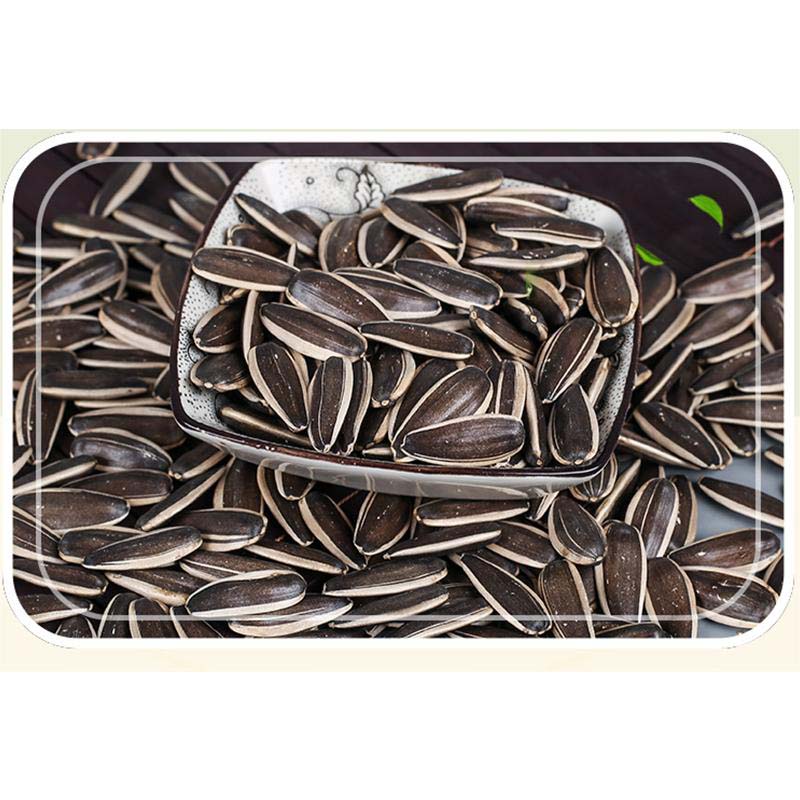
Pepitas and sunflower seeds exhibit differing material properties that dictate their processing and storage requirements. Pepitas are composed of approximately 50% oil, 25% protein, 15% carbohydrates (including fiber), and 10% moisture. The oil is predominantly linoleic acid, an omega-6 fatty acid, making them susceptible to oxidative rancidity. Their outer shell, removed during processing, contains lignans, which contribute to antioxidant properties. Sunflower seeds, similarly rich in oil (around 40-50%), contain a higher proportion of unsaturated fatty acids, particularly linoleic and oleic acids. Their hull provides structural integrity but also presents a barrier during processing.
Manufacturing processes for both seeds involve harvesting, drying, cleaning, dehulling (for sunflower seeds), and grading. Drying is critical, typically employing forced-air systems to reduce moisture content to below 9% to inhibit microbial growth. Temperature control during drying is paramount; excessive heat degrades oil quality and protein structure. Cleaning utilizes a combination of screening, aspiration, and gravity separation to remove foreign materials. Dehulling of sunflower seeds is achieved mechanically, often followed by polishing to remove remaining hull fragments. Grading is based on seed size, shape, and color, utilizing screens and optical sorting technology. Pepitas undergo a similar grading process based on size and the absence of shell fragments. Roasting, a common post-processing step, imparts flavor and enhances shelf life by inactivating lipoxygenase enzymes, reducing rancidity development. Roasting parameters (temperature, time, airflow) are precisely controlled to achieve desired flavor profiles and minimize acrylamide formation.
Performance & Engineering
Performance characteristics crucial for industrial applications center around seed integrity, oil stability, and resistance to microbial contamination. Force analysis during processing (dehulling, roasting, packaging) assesses the compressive strength of the seed coat and the shear forces involved in separating seeds from hulls. Sunflower seed hulls exhibit anisotropic mechanical properties, meaning strength varies with direction, which impacts dehulling efficiency. Environmental resistance is primarily focused on maintaining oil quality during storage. Lipid oxidation, catalyzed by light, oxygen, and temperature, leads to rancidity and off-flavors. Packaging materials providing a barrier to oxygen and UV light are critical. Compliance requirements include adherence to food safety regulations like the Food Safety Modernization Act (FSMA) in the United States and equivalent standards in other regions. This includes Hazard Analysis and Critical Control Points (HACCP) plans to mitigate risks associated with mycotoxins (aflatoxins, ochratoxins), pesticide residues, and bacterial contamination (Salmonella, E. coli). Moisture content control is paramount for preventing mold growth and mycotoxin production. Furthermore, nutritional labeling accuracy and allergen control (although rare, cross-contamination is a potential concern) are vital aspects of compliance.
Technical Specifications
| Parameter | Pepitas (Hulled Pumpkin Seeds) | Sunflower Seeds (Hulled) | Units |
|---|---|---|---|
| Moisture Content | ≤ 7% | ≤ 8% | % (wet basis) |
| Oil Content | 48 – 55% | 42 – 52% | % (dry weight) |
| Protein Content | 24 – 30% | 20 – 26% | % (dry weight) |
| Aflatoxin B1 (Maximum) | ≤ 2 ppb | ≤ 5 ppb | parts per billion |
| Peroxide Value (PV) | ≤ 5 meq O2/kg | ≤ 8 meq O2/kg | milliequivalents of oxygen per kilogram |
| Acid Value (AV) | ≤ 2 mg KOH/g | ≤ 3 mg KOH/g | milligrams of potassium hydroxide per gram |
| Seed Size (Average Diameter) | 8 – 12 mm | 6 – 10 mm | mm |
Failure Mode & Maintenance
Failure modes in pepitas and sunflower seeds primarily manifest as degradation of oil quality, leading to rancidity, and microbial contamination resulting in spoilage and potential health risks. Lipid oxidation, as mentioned previously, is a major concern. Factors accelerating oxidation include exposure to oxygen, light, heat, and residual metal ions (from processing equipment). Failure analysis reveals that improper storage conditions (high temperature, humidity) significantly increase the rate of oxidation. Microbial contamination, particularly by molds producing mycotoxins, occurs when moisture content is above critical levels and storage conditions are unfavorable. Delamination of the seed coat can occur due to improper drying or mechanical damage during processing, increasing susceptibility to insect infestation. Physical damage during handling and transportation can also lead to broken seeds and increased surface area for oxidation. Maintenance solutions involve implementing strict quality control measures throughout the supply chain, including proper drying techniques, hygienic processing practices, optimized packaging materials (oxygen and moisture barriers), and controlled storage conditions (low temperature, humidity, darkness). Regular monitoring of peroxide value, acid value, and aflatoxin levels is essential for detecting early signs of degradation. Insect control programs are also crucial to prevent infestation and seed damage. Equipment sanitation protocols should be rigorously followed to minimize microbial contamination.
Industry FAQ
Q: What are the critical control points for mitigating aflatoxin contamination in pepitas?
A: Critical control points include pre-harvest monitoring of fields for mold infection, proper drying of seeds to below 7% moisture content, segregation of damaged or discolored seeds, implementation of robust cleaning procedures to remove debris and fungal spores, and regular testing for aflatoxin levels throughout the supply chain. Storage facilities should be clean, dry, and well-ventilated.
Q: How does roasting affect the shelf life of sunflower seeds?
A: Roasting deactivates lipoxygenase enzymes, which catalyze lipid oxidation, thereby extending shelf life. However, excessive roasting can degrade oil quality and generate undesirable flavor compounds. Optimal roasting parameters (temperature, time, airflow) must be carefully controlled to balance flavor development and oil stability.
Q: What packaging materials are recommended for long-term storage of pepitas and sunflower seeds?
A: Packaging materials should provide a barrier to oxygen, moisture, and light. Multi-layer films incorporating aluminum foil or metallized polyester, combined with polyethylene or polypropylene layers for sealing, are commonly used. Vacuum packaging or modified atmosphere packaging (MAP) using nitrogen flushing can further enhance shelf life.
Q: What is the significance of peroxide value and acid value in assessing seed quality?
A: Peroxide value (PV) measures the initial stages of lipid oxidation, indicating the amount of primary oxidation products. Acid value (AV) measures the accumulation of free fatty acids resulting from hydrolysis of triglycerides, reflecting more advanced stages of oxidation. Increasing PV and AV values indicate deteriorating oil quality and potential rancidity.
Q: How does seed size variability impact automated processing efficiency?
A: Significant seed size variability can disrupt the flow of seeds through automated processing equipment (e.g., dehullers, sorters, roasters). Consistent seed size ensures uniform processing and minimizes downtime due to jams or inefficiencies. Grading and sorting processes are essential for achieving optimal seed size uniformity.
Conclusion
Pepitas and sunflower seeds, while seemingly simple commodities, require a detailed understanding of material science, manufacturing processes, and quality control parameters to ensure product safety, maintain oil stability, and meet stringent industry regulations. The success of B2B transactions hinges on consistent product quality, adherence to established standards, and proactive mitigation of potential failure modes. Precise control over moisture content, temperature, and exposure to oxygen and light are paramount throughout the entire supply chain.
Future advancements will likely focus on developing more robust packaging materials, implementing advanced sensor technologies for real-time monitoring of seed quality, and exploring novel processing techniques to enhance oil stability and nutritional value. Furthermore, advancements in genomic selection could lead to the development of seed varieties with improved resistance to fungal contamination and enhanced oil profiles. Continuous innovation and adherence to best practices are essential for maintaining a competitive edge in the evolving snack food and ingredient industries.
