Introduction
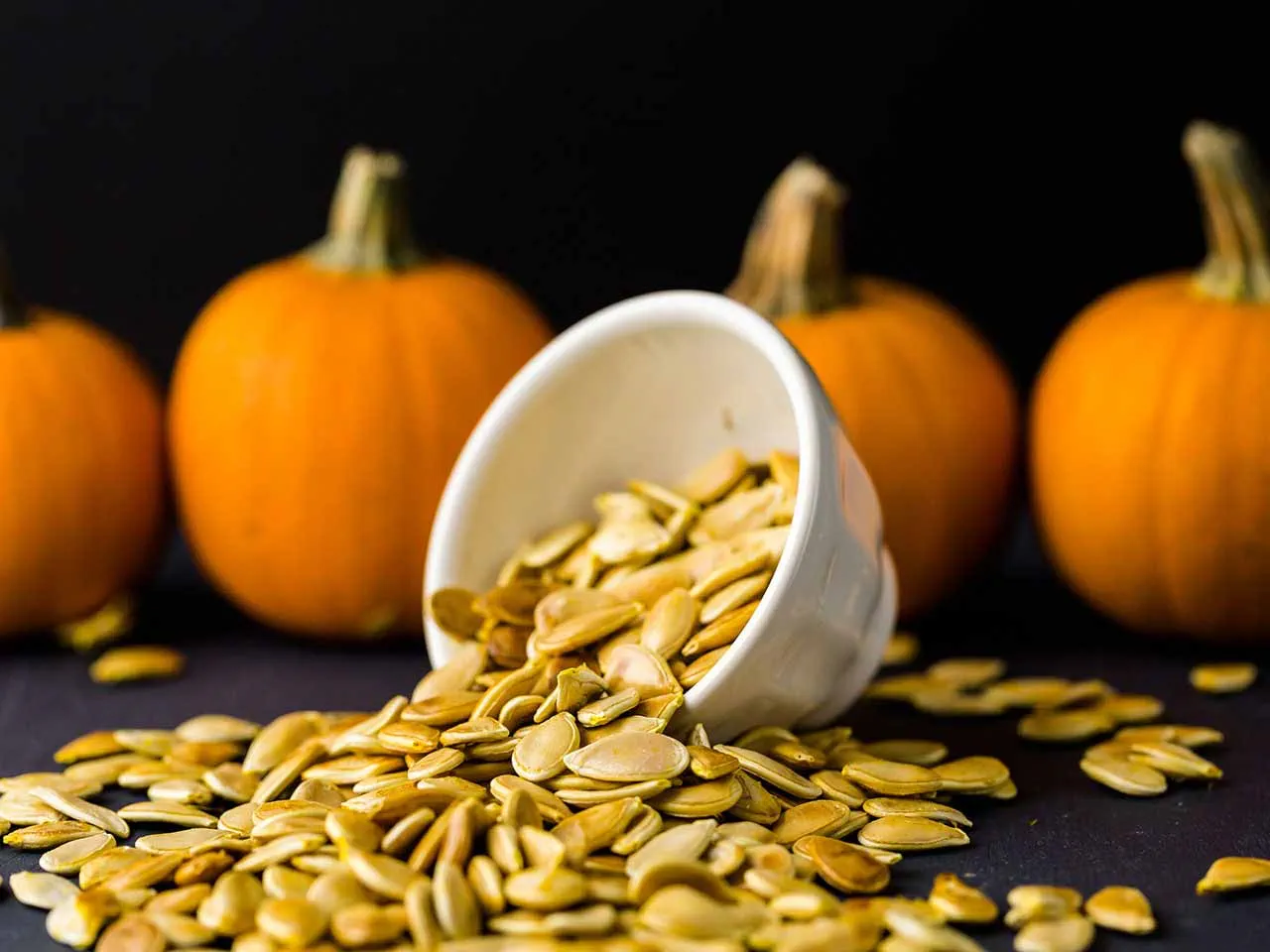
Pepitas, commonly known as pumpkin seeds, represent a significant agricultural product with increasing demand in the food processing and snack food industries. Technically, they are the edible seeds of Cucurbita pepo, C. moschata, and C. maxima species of pumpkin and squash. This technical guide will detail the material science, manufacturing processes, performance characteristics, potential failure modes, and relevant industry standards associated with commercially available pepitas sunflower seeds. The primary value proposition centers on their nutritional profile – high protein content, unsaturated fatty acids, and essential minerals – making them attractive for both direct consumption and ingredient applications. Quality control and consistent kernel characteristics are crucial factors influencing market value and consumer acceptance, driving increasingly sophisticated processing and grading methodologies.
Material Science & Manufacturing
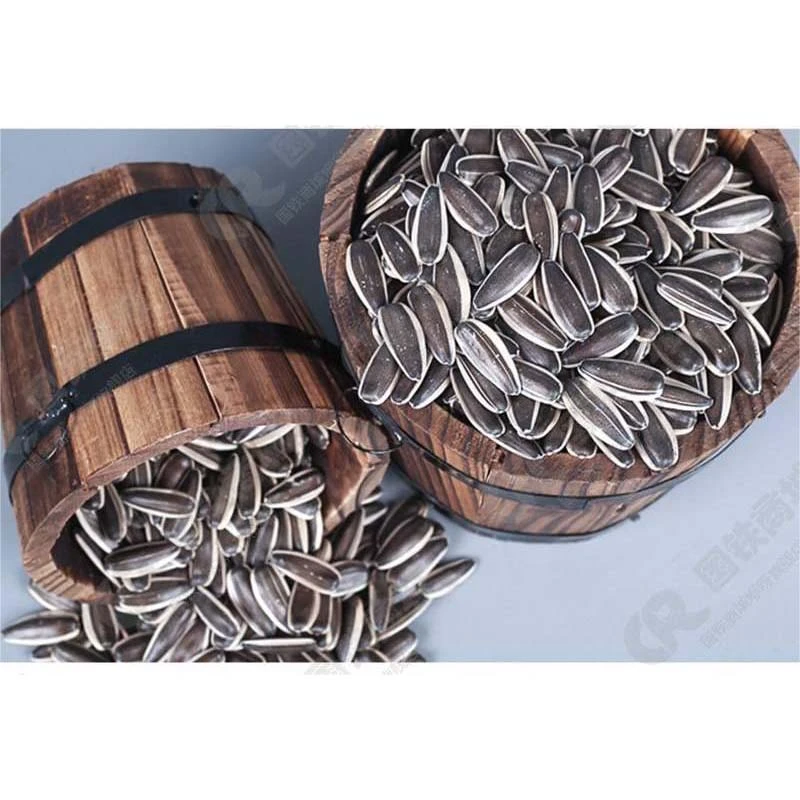
The primary raw material, sunflower seeds destined for pepita production, comprises a seed coat (pericarp), kernel (cotyledon), and embryo. The pericarp is rich in cellulose and lignin, providing structural integrity, while the kernel consists predominantly of lipids (40-50% by weight), proteins (20-30%), carbohydrates (10-15%), and minerals (5-10%). Lipid composition primarily consists of linoleic acid (oleic acid is also present, though in smaller quantities), contributing to the seed's nutritional value. Manufacturing commences with seed harvesting, cleaning, and drying to reduce moisture content to approximately 8-10% to inhibit enzymatic activity and microbial growth. De-hulling is a critical step, typically accomplished mechanically via abrasive methods. Kernel sizing and grading follow, categorizing seeds based on diameter and weight. Roasting is employed to develop flavor and enhance crispness. Temperature control during roasting (typically 120-150°C for 15-30 minutes) is paramount to prevent lipid oxidation and acrylamide formation. Seasoning is often applied post-roasting, utilizing dry or wet application methods. Packaging utilizes materials with low oxygen transmission rates to maintain product freshness. Parameter control during each stage – moisture content, temperature profiles, dehulling efficiency, and seasoning uniformity – directly impacts the final product's quality, shelf life, and sensory attributes. Aflatoxin contamination is a significant concern and requires rigorous monitoring throughout the supply chain.
Performance & Engineering
The engineering properties of pepitas are key to processing and packaging. Kernel hardness, measured via compression testing, dictates dehulling efficiency and breakage rates. Moisture sorption isotherms dictate the seed's equilibrium moisture content at various relative humidities, influencing textural changes and susceptibility to microbial growth. The bulk density of pepitas influences packaging efficiency and transportation costs. Force analysis during dehulling operations identifies optimal mechanical parameters to minimize kernel damage. Environmental resistance concerns center around lipid oxidation, leading to rancidity and off-flavor development. Packaging materials are therefore selected for their barrier properties against oxygen and light. Compliance requirements include adherence to food safety regulations (HACCP, GMP), aflatoxin limits (established by regulatory bodies like the FDA and EU), and labeling standards. The impact resistance of the kernel is also a crucial performance characteristic; brittle kernels are prone to damage during handling and transportation. Shelf-life studies, employing accelerated aging protocols, are essential to predict product stability and establish best-before dates.
Technical Specifications
| Parameter | Unit | Typical Value | Testing Method |
|---|---|---|---|
| Moisture Content | % (w/w) | 8-10 | Oven Drying (AOAC 925.10) |
| Kernel Size (Diameter) | mm | 8-12 | Sieve Analysis |
| Oil Content | % (w/w) | 40-50 | Soxhlet Extraction (AOAC 920.39) |
| Protein Content | % (w/w) | 20-30 | Kjeldahl Method (AOAC 920.87) |
| Aflatoxin B1 | ppb | <2 | HPLC-FLD (AOAC 991.31) |
| Peroxide Value | meq O2/kg | <5 | Titration (AOCS Cd 8-53) |
Failure Mode & Maintenance
Pepitas are susceptible to several failure modes. Lipid oxidation, driven by exposure to oxygen and elevated temperatures, results in rancidity, evidenced by off-flavors and odors. Kernel breakage during processing and handling leads to fines and reduces product aesthetic appeal. Microbial contamination, particularly by molds producing aflatoxins, poses a serious health risk. Moisture absorption during storage can induce softening and promote microbial growth. De-hulling inefficiencies result in kernel fragments remaining attached to the shell, requiring further cleaning. Maintenance strategies focus on stringent quality control throughout the supply chain, including proper seed drying, controlled roasting temperatures, antioxidant addition (within regulatory limits), and appropriate packaging. Regular monitoring for aflatoxin contamination is crucial. Implementing first-in, first-out (FIFO) inventory management minimizes storage time and reduces the risk of lipid oxidation. Maintaining processing equipment (dehullers, roasters, graders) ensures optimal performance and minimizes kernel damage. Temperature and humidity control during storage are paramount for maintaining product quality and extending shelf life. Effective pest control measures are also essential to prevent contamination.
Industry FAQ
Q: What are the critical factors impacting the shelf life of pepitas?
A: Shelf life is primarily determined by lipid oxidation and moisture content. Proper packaging with low oxygen permeability, controlled storage temperatures (ideally below 20°C), and low initial moisture content (8-10%) are crucial. The addition of natural antioxidants, such as tocopherols, can also extend shelf life. Regular monitoring of peroxide value is recommended.
Q: How is aflatoxin contamination controlled during pepita production?
A: Control begins with sourcing seeds from regions with low aflatoxin prevalence. Rigorous pre-harvest monitoring, proper drying to reduce moisture content, and effective cleaning processes are employed. Regular testing throughout the production process, using methods like HPLC-FLD, is essential. Seeds exceeding established aflatoxin limits are rejected.
Q: What is the significance of kernel size and shape grading?
A: Kernel size and shape impact consumer preference and processing efficiency. Larger, well-formed kernels command a higher market price. Grading ensures consistent product quality and facilitates automated packaging processes. Sieve analysis is the primary method used for size grading.
Q: What are the optimal roasting parameters for maximizing flavor and minimizing acrylamide formation?
A: Optimal roasting temperatures range from 120-150°C for 15-30 minutes. Lower temperatures generally minimize acrylamide formation, but may result in less developed flavor. Monitoring moisture content during roasting is important; excessively dry seeds are more prone to burning. Careful control of roasting time and temperature is crucial.
Q: How do different packaging materials affect pepita quality?
A: Packaging materials with low oxygen transmission rates (OTR) and low water vapor transmission rates (WVTR) are preferred. Metallized films, multi-layer laminates, and airtight containers provide optimal barrier properties. Clear packaging allows for visual inspection of product quality. Modified atmosphere packaging (MAP) with nitrogen flushing can further extend shelf life.
Conclusion
Pepita sunflower seeds represent a complex agricultural product requiring meticulous control throughout the entire production chain. From raw material selection to processing, packaging, and storage, adherence to stringent quality standards is paramount. The interplay between material science – understanding the lipid composition, protein structure, and moisture sorption characteristics – and engineering principles – optimizing dehulling, roasting, and packaging processes – dictates the final product’s quality, nutritional value, and shelf life. Ongoing advancements in analytical techniques and processing technologies continue to drive improvements in pepita production, enhancing food safety, extending shelf life, and meeting evolving consumer demands.
Future research should focus on developing more efficient dehulling techniques to minimize kernel damage, identifying natural antioxidants to enhance lipid stability, and optimizing packaging materials for improved barrier properties. Furthermore, the development of rapid and cost-effective aflatoxin detection methods remains a priority. Continuous monitoring of industry standards and regulatory requirements is crucial for ensuring product compliance and maintaining consumer trust. The sustainability of pepita production, including water usage and waste management, will also become increasingly important in the coming years.
