Introduction
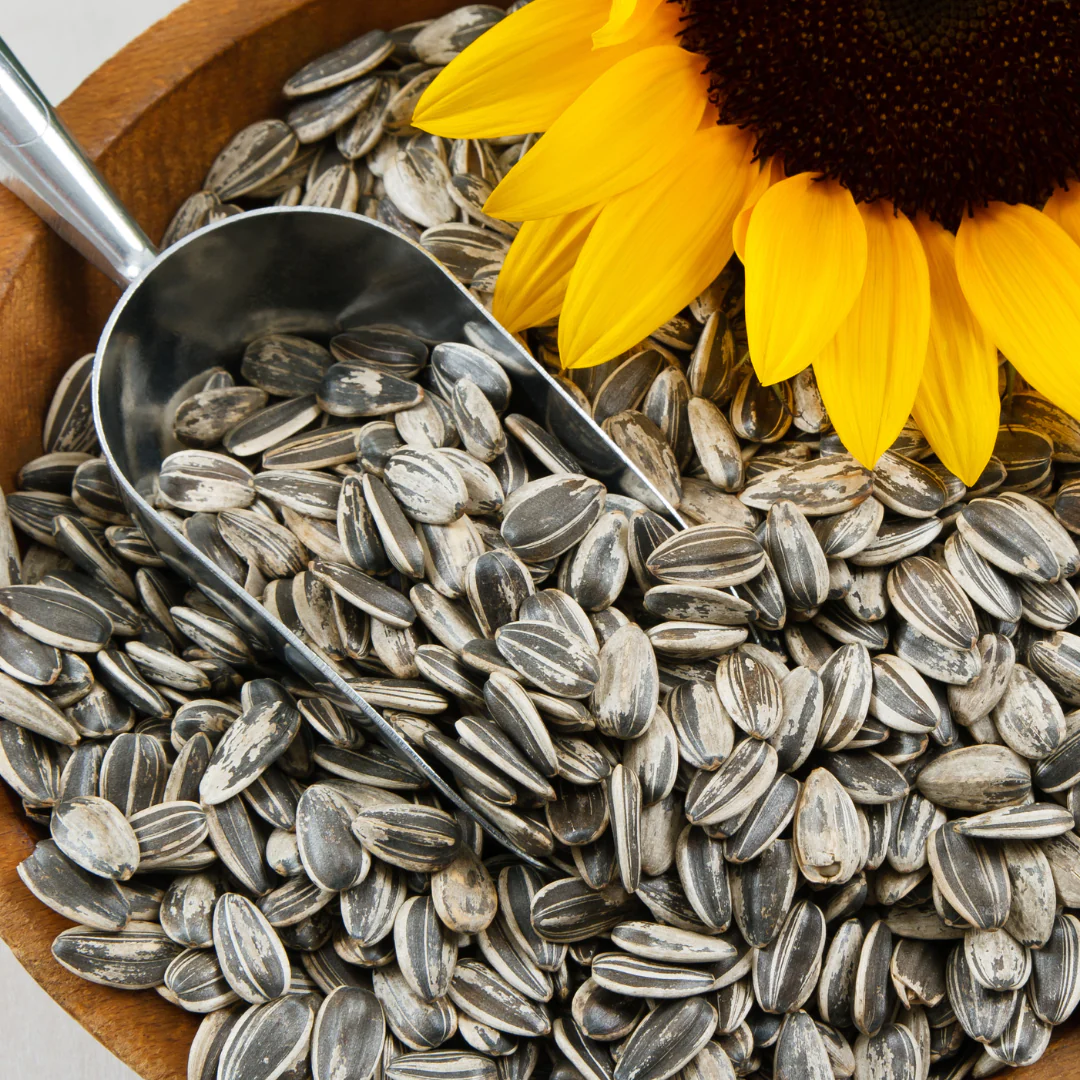
Pepitas, or sunflower seeds, represent a significant commodity within the global food industry, serving as both a direct consumer snack and a valuable ingredient in numerous processed food applications. This technical guide focuses on the manufacturing of pepitas, encompassing the biological characteristics of the Helianthus annuus seed, the post-harvest processing techniques employed to produce commercially viable pepitas, and critical quality control parameters. The industry faces increasing demands for consistent quality, traceability, and food safety, requiring sophisticated processing and analytical techniques. This document provides an in-depth overview of the science and engineering behind pepita production, addressing key concerns relating to oil content, hulling efficiency, and prevention of mycotoxin contamination. Pepitas occupy a unique position in the supply chain, bridging agricultural production with food processing and requiring a multidisciplinary approach to ensure product integrity.
Material Science & Manufacturing
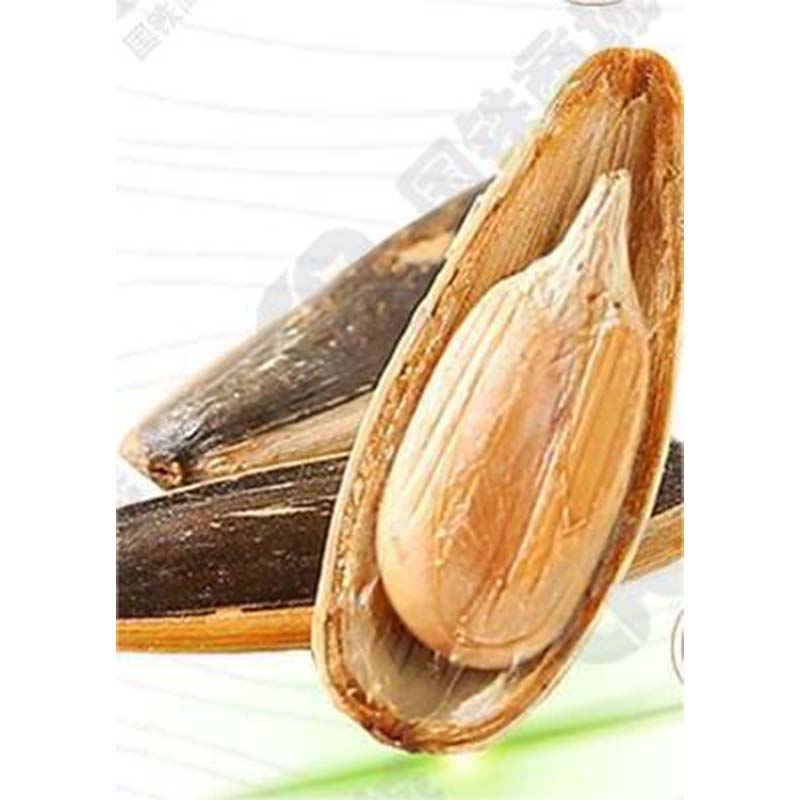
The raw material, the sunflower seed, is comprised of three primary components: the hull (approximately 20-30% of total weight), the kernel (55-65%), and the embryo (approximately 5-10%). The kernel is rich in oil (40-50%), primarily linoleic acid, oleic acid, and palmitic acid, which contribute significantly to its nutritional value and sensory properties. The hull is largely cellulose and lignin, providing structural integrity but necessitating efficient removal during processing. Manufacturing begins with harvesting, ideally at physiological maturity when moisture content is around 18-20%. Seed drying is critical, utilizing forced-air systems to reduce moisture to 8-9% to inhibit fungal growth and enzymatic activity. Hulling is the most challenging step, employing mechanical dehulling systems – impact hullers, friction hullers, and aspiration systems. Hulling efficiency is heavily influenced by seed moisture content, hull toughness (varietal dependent), and equipment calibration. Cracked kernels resulting from aggressive hulling reduce yield and necessitate separation. Subsequent cleaning processes remove foreign material (chaff, stems, stones) utilizing screens, air separators, and destoners. Grading by size and density ensures uniformity. Finally, some pepitas undergo a seasoning process involving the application of salt, flavorings, or coatings, typically applied in rotating drums. Key parameter control focuses on maintaining optimal moisture levels throughout processing to prevent cracking and rancidity, ensuring proper huller adjustment to maximize kernel recovery, and rigorous monitoring of cleaning and sorting efficacy.
Performance & Engineering
The performance of pepitas is dictated by several engineering parameters. Firstly, hulling force – the energy required to remove the hull – is a critical metric, influenced by seed moisture and hull structure. Finite element analysis (FEA) is increasingly used to optimize huller design, minimizing kernel damage while maximizing hull removal. Secondly, aerodynamic properties govern the efficiency of separation processes. The terminal velocity of kernels and hulls differs significantly, allowing for effective separation using air streams; however, particle shape and size distribution impact performance. Thirdly, thermal stability dictates shelf life. Lipid oxidation, accelerated by elevated temperatures and light exposure, leads to rancidity. Packaging materials with low oxygen transmission rates (OTR) are therefore crucial. Furthermore, the structural integrity of the kernel is paramount for handling and transportation. Kernel compressive strength, measured using texture analyzers, determines the susceptibility to cracking during processing and shipping. Compliance requirements, such as adherence to FDA regulations regarding aflatoxin levels (below 20 ppb) and heavy metal content, necessitate robust quality control procedures including regular sampling and analytical testing. Ensuring consistent size and shape is also essential for automated packaging lines and consumer acceptance.
Technical Specifications
| Parameter | Unit | Typical Value | Acceptable Range |
|---|---|---|---|
| Kernel Moisture Content | % | 8.5 | 7.0 - 10.0 |
| Oil Content (Kernel) | % | 48 | 45 - 52 |
| Hull Percentage (After Hulling) | % | <5 | <8 |
| Kernel Damage (Cracked/Broken) | % | <3 | <5 |
| Aflatoxin Level | ppb | <2 | <20 |
| Foreign Material | % | <0.1 | <0.5 |
Failure Mode & Maintenance
Pepita failure modes can be categorized into biological, mechanical, and chemical degradation. Biological failure primarily involves fungal contamination, specifically Aspergillus flavus and Aspergillus parasiticus, leading to aflatoxin production. This is exacerbated by high moisture content and improper storage conditions. Mechanical failure encompasses kernel cracking during hulling, handling, and transportation, reducing market value. Contributing factors include excessive hulling force, impact damage, and inadequate packaging. Chemical degradation focuses on lipid oxidation, resulting in rancidity and off-flavors. This is accelerated by exposure to oxygen, light, and elevated temperatures. Preventative maintenance is crucial. Hulling equipment requires regular inspection and adjustment to minimize kernel damage. Cleaning systems must be maintained to prevent the buildup of dust and debris, which can harbor microorganisms. Storage facilities require temperature and humidity control to inhibit fungal growth and lipid oxidation. Regular testing for aflatoxins and peroxide value (an indicator of lipid oxidation) is essential. Furthermore, a robust traceability system allows for rapid identification and isolation of contaminated batches. Predictive maintenance strategies, employing vibration analysis and thermal imaging, can identify potential equipment failures before they occur, minimizing downtime and product loss.
Industry FAQ
Q: What are the primary factors impacting aflatoxin contamination risk in pepita production?
A: The most significant factors are pre-harvest conditions (drought stress increasing susceptibility), post-harvest handling (seed damage creating entry points for fungal spores), inadequate drying (maintaining moisture levels conducive to fungal growth), and improper storage (lack of temperature and humidity control). Regular monitoring and adherence to strict hygiene protocols are essential mitigation strategies.
Q: How does hulling method affect the quality of the resulting pepitas?
A: The hulling method significantly impacts kernel damage. Impact hullers, while efficient, can cause more cracking than friction hullers. Precise calibration of hulling equipment based on seed variety and moisture content is critical. Careful adjustment to minimize kernel abrasion during hull removal is essential.
Q: What packaging materials are recommended to maximize shelf life and prevent rancidity?
A: Packaging materials with low oxygen transmission rates (OTR) and good barrier properties against light are recommended. Metallized films, multilayer laminates with polyethylene or polypropylene, and vacuum sealing are common strategies. Nitrogen flushing can further reduce oxygen levels within the package.
Q: What analytical techniques are employed to assess pepita quality and safety?
A: Common analytical techniques include moisture analysis (Karl Fischer titration), oil content determination (Soxhlet extraction), aflatoxin analysis (HPLC or ELISA), peroxide value measurement (iodometric titration), and foreign material inspection (visual inspection and sieving).
Q: How does seed variety impact pepita processing characteristics?
A: Different sunflower varieties exhibit varying hull toughness, oil content, and kernel size. High-oleic varieties are more resistant to oxidation. Hull thickness influences hulling efficiency and kernel damage rates. Variety selection is crucial for optimizing processing parameters and achieving desired product quality.
Conclusion
The production of high-quality pepitas demands a comprehensive understanding of both the biological characteristics of the sunflower seed and the intricacies of industrial processing. From careful control of post-harvest drying and hulling to stringent quality control measures aimed at preventing mycotoxin contamination and lipid oxidation, each step in the process plays a critical role in ensuring a safe, nutritious, and palatable product. Optimization of these parameters, coupled with ongoing research into improved processing technologies, is essential for meeting the evolving demands of the food industry.
Looking forward, advancements in sensor technology and artificial intelligence will likely revolutionize pepita processing. Real-time monitoring of seed quality, automated adjustment of equipment parameters, and predictive maintenance systems will enhance efficiency, reduce waste, and ensure consistent product quality. Furthermore, the development of novel packaging materials with enhanced barrier properties will contribute to extended shelf life and reduced environmental impact. Continued investment in research and development is vital for maintaining the competitiveness and sustainability of the pepita industry.
