Introduction
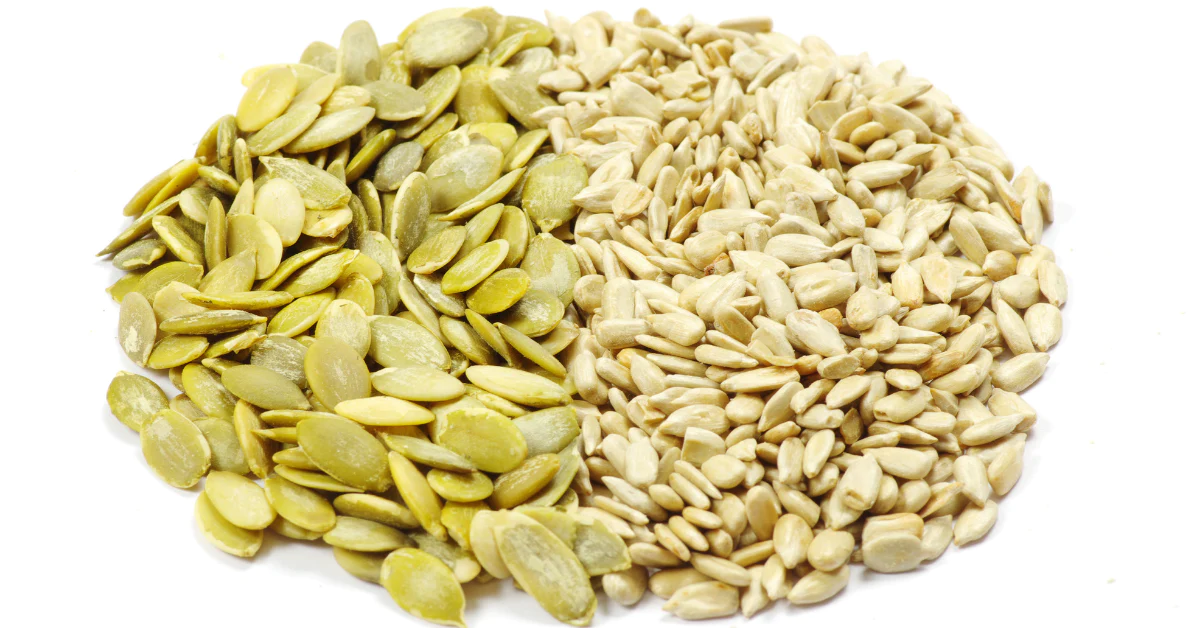
Pepitas, the edible seeds of the sunflower ( Helianthus annuus), represent a significant commodity within the agricultural export market. This technical guide focuses on the nuances of pepita production, quality control, and preservation relevant to exporters, addressing core industry challenges concerning seed integrity, oil content, and regulatory compliance. Pepitas are categorized into oilseed and confectionary types, with specific demands placed upon each segment. Oilseed pepitas are valued for their high oil yield, primarily linoleic acid, while confectionary pepitas are sought after for size, hulling percentage, and flavor. Maintaining these qualities throughout the post-harvest handling and export process is critical for sustained market access. The primary pain points for exporters revolve around mycotoxin contamination, particularly aflatoxins, maintaining consistent seed moisture content to prevent rancidity, and meeting stringent import regulations concerning pesticide residues and seed health. This guide will delineate the material science, processing parameters, performance characteristics, potential failure modes, and relevant international standards pertaining to pepita exports.
Material Science & Manufacturing
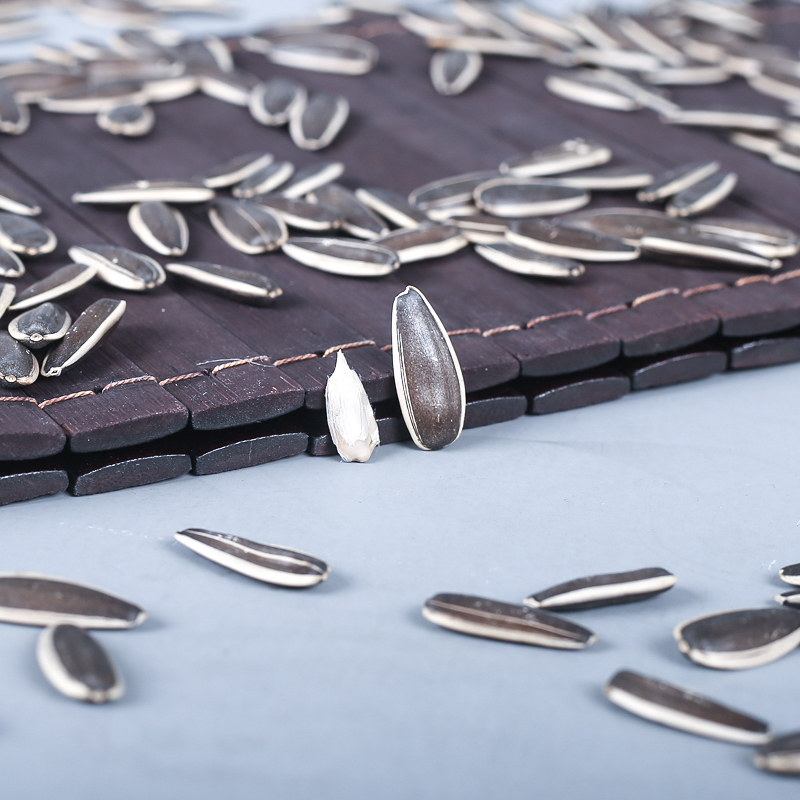
The pepita seed comprises three primary components: the kernel (cotyledon), the hull (pericarp), and the embryo. The kernel, representing approximately 58-65% of the seed weight, is rich in oil (40-55%), protein (20-25%), and fiber. The hull, constituting 20-30%, provides physical protection and contributes to fiber content. The embryo comprises the remaining percentage. The oil composition is primarily linoleic acid (around 60%), oleic acid (around 20-30%), and palmitic acid. Manufacturing begins with sunflower head harvesting, typically occurring at physiological maturity indicated by the back of the head turning yellow-brown and bracts drying. Post-harvest processing involves drying to reduce moisture content to approximately 9-10% to inhibit mold growth and enzymatic activity. Drying methods include natural sun drying (less controlled, higher risk of contamination) and mechanical drying using forced air systems (more controlled, requires energy input). Hulling, the removal of the pericarp, is critical for confectionary pepitas. Hulling efficiency is influenced by seed moisture content, impact velocity, and hull adhesion. Seed grading and sorting are then conducted based on size, shape, and color using screeners and optical sorters. Control parameters include airflow rates during drying, huller speed and impact force, and sorter sensitivity. Chemical compatibility is a key consideration – minimizing contact with reactive metals (e.g., copper) to prevent oxidation and maintaining inert gas atmospheres during storage can preserve oil quality. Furthermore, the composition of storage containers (e.g., polypropylene vs. polyethylene) affects permeability to oxygen and moisture.
Performance & Engineering
The performance of pepitas as an export commodity is evaluated based on several key characteristics. Oil yield, expressed as a percentage of kernel weight, is paramount for oilseed varieties, and is affected by seed genetics, growing conditions, and drying methods. Confectionary pepitas are judged by kernel size (screen sizing), hulling rate (percentage of kernels successfully removed from hulls), and freedom from defects (broken kernels, discolored seeds, foreign matter). Moisture content is a critical engineering parameter; exceeding 10% significantly increases the risk of mold growth and aflatoxin contamination. The water activity (Aw) is also a critical parameter, ideally maintained below 0.65. Mechanical strength is relevant during handling and transportation – seeds must withstand impact and abrasion without excessive breakage. Environmental resistance concerns primarily relate to temperature and humidity control during storage and transport. High temperatures accelerate lipid oxidation and degradation, while high humidity promotes mold growth. Compliance requirements are substantial. Import regulations often specify maximum permissible levels for pesticides (e.g., glyphosate, chlorpyrifos), heavy metals (e.g., lead, cadmium), and mycotoxins (aflatoxins, ochratoxins). Force analysis during hulling operations is crucial for optimizing huller settings to maximize yield and minimize kernel damage. Stress analysis on packaging materials determines their ability to protect the seeds from physical damage and moisture ingress.
Technical Specifications
| Parameter | Oilseed Pepitas | Confectionary Pepitas | Unit |
|---|---|---|---|
| Oil Content (Dry Basis) | 48-55 | 40-48 | % |
| Kernel Moisture Content | 9-10 | 9-10 | % |
| Hulling Rate | N/A | ≥ 90 | % |
| Kernel Size (Screen Size) | N/A | 14-16 mesh | Mesh |
| Aflatoxin Levels (B1, B2, G1, G2) | ≤ 20 ppb | ≤ 5 ppb | ppb |
| Free Fatty Acid (FFA) | ≤ 0.5 | ≤ 0.3 | % |
Failure Mode & Maintenance
Pepita seeds are susceptible to several failure modes during storage and transport. Rancidity, caused by lipid oxidation, is a primary concern, manifesting as an off-flavor and reduced nutritional value. This is accelerated by high temperatures, oxygen exposure, and the presence of metal ions. Mycotoxin contamination, particularly by Aspergillus flavus producing aflatoxins, represents a significant health hazard and can lead to rejection of shipments. Mechanical damage, including kernel breakage and hull cracking, can occur during handling and transport, reducing quality and increasing susceptibility to insect infestation. Insect infestation, primarily by storage beetles, can lead to significant weight loss and contamination. Maintenance strategies focus on preventative measures. Proper drying to reduce moisture content, controlled atmosphere storage (low oxygen, controlled temperature), and regular monitoring for insect activity are crucial. Packaging materials should provide a barrier to oxygen and moisture. Regular sampling and testing for aflatoxins and pesticide residues are essential for quality control. Implementing a robust sanitation program in processing facilities minimizes the risk of contamination. For long-term storage, periodic aeration can help maintain uniform moisture content and prevent hot spots. Furthermore, implementing a first-in, first-out (FIFO) inventory management system minimizes storage duration and reduces the risk of deterioration.
Industry FAQ
Q: What are the critical aflatoxin limits for export to the European Union?
A: The European Union (EU) Commission Regulation (EC) No 1881/2006 sets maximum levels for aflatoxins in foodstuffs. For pepitas, the maximum level for total aflatoxins (B1 + B2 + G1 + G2) is 2 µg/kg (2 ppb). Exporters must demonstrate compliance through laboratory testing and provide Certificates of Analysis (CoAs) with each shipment.
Q: How does seed moisture content impact long-term storage stability?
A: Seed moisture content is arguably the most critical factor affecting long-term storage stability. Above 10%, enzymatic activity and microbial growth (mold) increase exponentially. This leads to lipid oxidation (rancidity), and potential aflatoxin production. Maintaining a moisture content of 9-10% is recommended, along with controlled temperature storage (below 25°C) and low oxygen levels.
Q: What types of packaging are recommended for maintaining seed quality during transit?
A: Multi-layer packaging is recommended, incorporating a polypropylene (PP) inner liner for moisture protection and a woven polypropylene outer bag for strength and handling. The packaging should be airtight to minimize oxygen exposure. Consider using oxygen absorbers within the packaging to further reduce oxygen levels. Palletizing and shrink-wrapping provide additional protection during transport.
Q: Are there specific pesticide residue limits I need to be aware of when exporting to Japan?
A: Japan has stringent Maximum Residue Limit (MRL) standards for pesticides in imported foodstuffs. Exporters must consult the Japan Ministry of Health, Labour and Welfare's (MHLW) Positive List of Agricultural Chemicals for specific MRLs for pesticides commonly used in sunflower cultivation. Comprehensive pesticide residue testing is essential prior to shipment.
Q: What is the significance of the oil content specification, and how is it measured?
A: Oil content is a key specification, particularly for oilseed pepitas, as it directly impacts the yield of oil extraction. It is typically measured using the Soxhlet extraction method (e.g., AOAC Method 920.39) or near-infrared (NIR) spectroscopy. Accurate oil content determination is crucial for pricing and meeting buyer requirements.
Conclusion
Successful pepita exportation hinges on a meticulous understanding of the seed's material properties, the intricacies of post-harvest handling, and the stringent requirements of international trade regulations. Maintaining optimal moisture content, minimizing contamination risks (particularly aflatoxins), and ensuring proper packaging are paramount. The technical specifications outlined in this guide provide a framework for quality control and consistent product delivery.
Furthermore, proactive monitoring of emerging regulations and evolving market demands is crucial for sustained competitiveness. Investment in advanced drying and storage technologies, coupled with robust quality assurance protocols, will enable exporters to navigate the complexities of the global pepita market effectively and capitalize on growing consumer interest in this nutritious and versatile seed.
