Introduction
Pepitas, or sunflower seeds, represent a significant commodity in the global agricultural market, particularly for export. This technical guide provides an in-depth exploration of pepitas sunflower seeds from a B2B industrial perspective, focusing on critical aspects relevant to international trade. The product’s position within the food supply chain is as a high-value snack food and ingredient, demanding stringent quality control and adherence to specific agricultural and food safety standards. Core performance characteristics center around seed size consistency, oil content, protein levels, moisture content, and the absence of foreign materials and mycotoxins. The industry faces challenges related to maintaining consistent quality across varying agricultural seasons, managing storage conditions to prevent rancidity, and meeting increasingly strict import regulations related to pesticide residue and allergen control. This guide will detail the science and engineering behind pepita production, handling, and quality assurance, providing crucial information for buyers, exporters, and quality control professionals.
Material Science & Manufacturing
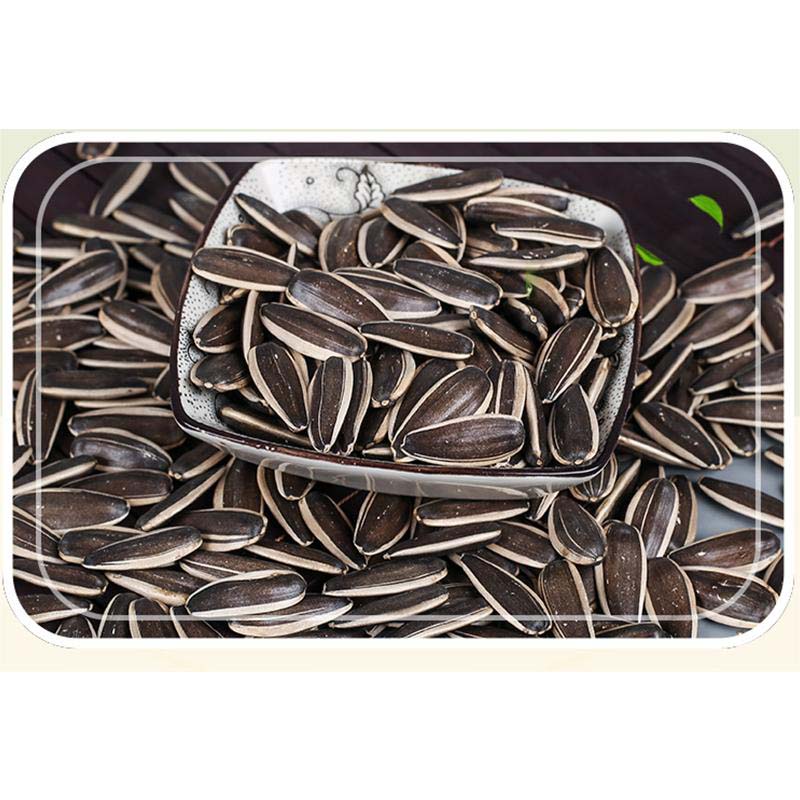
Pepitas are derived from the Helianthus annuus plant. The seed itself is a complex biological structure comprised of a seed coat (pericarp), kernel (cotyledons), and embryo. The pericarp provides a physical barrier and contains lignans, contributing to antioxidant properties. The kernel comprises primarily oil (40-50% by weight), protein (20-25%), carbohydrates, and fiber. The oil is rich in linoleic acid, an essential fatty acid. Manufacturing begins with field cultivation, focusing on hybrid seed varieties selected for high yield, large seed size, and oil content. Harvesting is typically mechanized, followed by deheading and drying. Drying is critical; using forced-air systems reduces moisture content to approximately 8-10% to prevent mold growth and enzymatic degradation. The drying process must be carefully controlled (temperature below 45°C) to minimize lipid oxidation. Subsequent processing involves cleaning (removal of debris, stems, and damaged seeds), sizing (using screens to achieve consistent seed size), and optical sorting to eliminate discolored or defective seeds. Chemical treatment is often applied pre-harvest or post-harvest with approved fungicides and insecticides, demanding careful monitoring for residue levels. Parameter control focuses on maintaining optimal drying temperatures, controlling seed moisture content, and implementing robust cleaning procedures to minimize contamination.
Performance & Engineering
The performance of pepitas is largely dictated by their physical and chemical properties. A key engineering consideration is the bulk density of the seeds, impacting storage capacity and transport efficiency. Seed hardness, measured by compression testing, influences hulling efficiency and potential for breakage during handling. Environmental resistance relates primarily to moisture absorption and susceptibility to rancidity. Pepita oil is prone to oxidation, leading to off-flavors and reduced nutritional value. Packaging materials and storage conditions (temperature, humidity, light exposure) must minimize oxygen contact. Compliance requirements include adherence to maximum residue limits (MRLs) for pesticides established by importing countries (e.g., EU, USA, Japan). Aflatoxin contamination is a significant concern, requiring strict monitoring and mitigation strategies throughout the supply chain. Functional implementation considers applications such as direct consumption, oil extraction, and ingredient use in food processing. Shelf life analysis, utilizing accelerated aging studies, is crucial for determining optimal storage conditions and expiry dates. Force analysis during processing (e.g., de-hulling) helps optimize equipment parameters to minimize seed damage.
Technical Specifications
| Parameter | Unit | Typical Value | Acceptable Range |
|---|---|---|---|
| Moisture Content | % | 8.5 | 7.0 – 10.0 |
| Oil Content (Dry Basis) | % | 48 | 45 – 52 |
| Protein Content (Dry Basis) | % | 22 | 20 – 25 |
| Kernel Size (Average Length) | mm | 12 | 10 – 15 |
| Foreign Material (Maximum) | % | 0.5 | ≤ 1.0 |
| Aflatoxin B1 (Maximum) | ppb | 2 | ≤ 20 (depending on importing country) |
Failure Mode & Maintenance
Pepitas are susceptible to several failure modes during storage and transport. Rancidity, caused by lipid oxidation, is a primary concern, leading to off-flavors and nutritional degradation. This is accelerated by exposure to oxygen, heat, and light. Physical damage, such as cracking and breakage, occurs during handling and processing, reducing product quality and increasing susceptibility to insect infestation. Biological degradation, primarily mold growth (including aflatoxin-producing species), is prevalent in high-humidity environments. Insect infestation can lead to significant losses and contamination. Maintenance strategies include implementing proper storage conditions (cool, dry, dark), utilizing oxygen-barrier packaging materials, and implementing pest control measures. Regular monitoring of moisture content and aflatoxin levels is crucial. Preventative maintenance on drying and processing equipment ensures optimal performance and minimizes seed damage. For logistical failures, such as temperature excursions during transport, implementing robust temperature monitoring systems and utilizing insulated containers are essential. Proper cleaning and sanitation of storage facilities are critical for preventing mold growth and insect infestation.
Industry FAQ
Q: What are the key differences between oil-type and confectionary-type sunflower seeds, and how does this impact export quality?
A: Oil-type sunflower seeds have a higher oil content (typically >50%) and smaller kernel size, optimized for oil extraction. Confectionary-type seeds have a lower oil content (40-50%) and larger kernel size, preferred for direct consumption. Export quality demands primarily confectionary-type seeds due to market demand, requiring meticulous sorting for size and absence of defects. Oil content within the confectionary range impacts flavor and texture.
Q: How do varying pesticide regulations across different importing countries affect the export process?
A: Pesticide regulations vary significantly. The EU and Japan have particularly stringent MRLs. Exporters must meticulously track pesticide applications, conduct residue analysis using accredited laboratories, and ensure compliance with the specific regulations of each target market. Documentation demonstrating compliance is essential.
Q: What is the role of optical sorting in ensuring high-quality pepita exports?
A: Optical sorting utilizes cameras and image processing algorithms to identify and remove defective seeds based on color, shape, and size. This is critical for removing discolored seeds, foreign materials, and damaged kernels, improving the overall appearance and quality of the export product.
Q: What are the best practices for mitigating aflatoxin contamination in pepita exports?
A: Mitigating aflatoxin requires a multi-faceted approach: selecting disease-resistant seed varieties, ensuring proper drying to reduce moisture content, preventing insect damage, employing pre-harvest and post-harvest fungicide applications (where permitted), and conducting regular aflatoxin testing throughout the supply chain.
Q: How does packaging influence the shelf life and quality of exported pepitas?
A: Packaging plays a critical role. Oxygen-barrier packaging (e.g., multilayer films with aluminum foil) minimizes oxidation and rancidity. Vacuum sealing or modified atmosphere packaging (MAP) further extends shelf life. Packaging materials must also protect against moisture absorption and physical damage during transport.
Conclusion
The successful export of pepitas sunflower seeds hinges on a deep understanding of the underlying material science, manufacturing processes, and stringent quality control requirements. Maintaining optimal moisture content, preventing lipid oxidation, and adhering to international regulatory standards are paramount. The industry must embrace advanced sorting technologies and robust analytical methods to ensure consistent product quality and meet the evolving demands of global markets.
Future trends will likely focus on sustainable agricultural practices, traceability systems utilizing blockchain technology, and the development of novel packaging materials with enhanced barrier properties. Continuous investment in research and development, coupled with a commitment to food safety and quality, will be essential for maintaining competitiveness in the international pepita market.
