Introduction
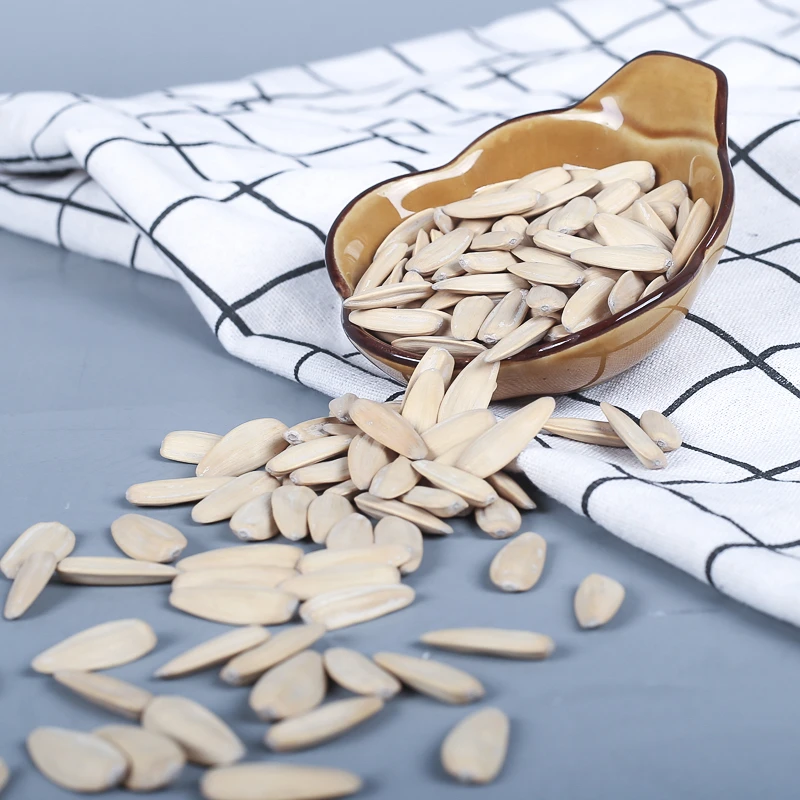
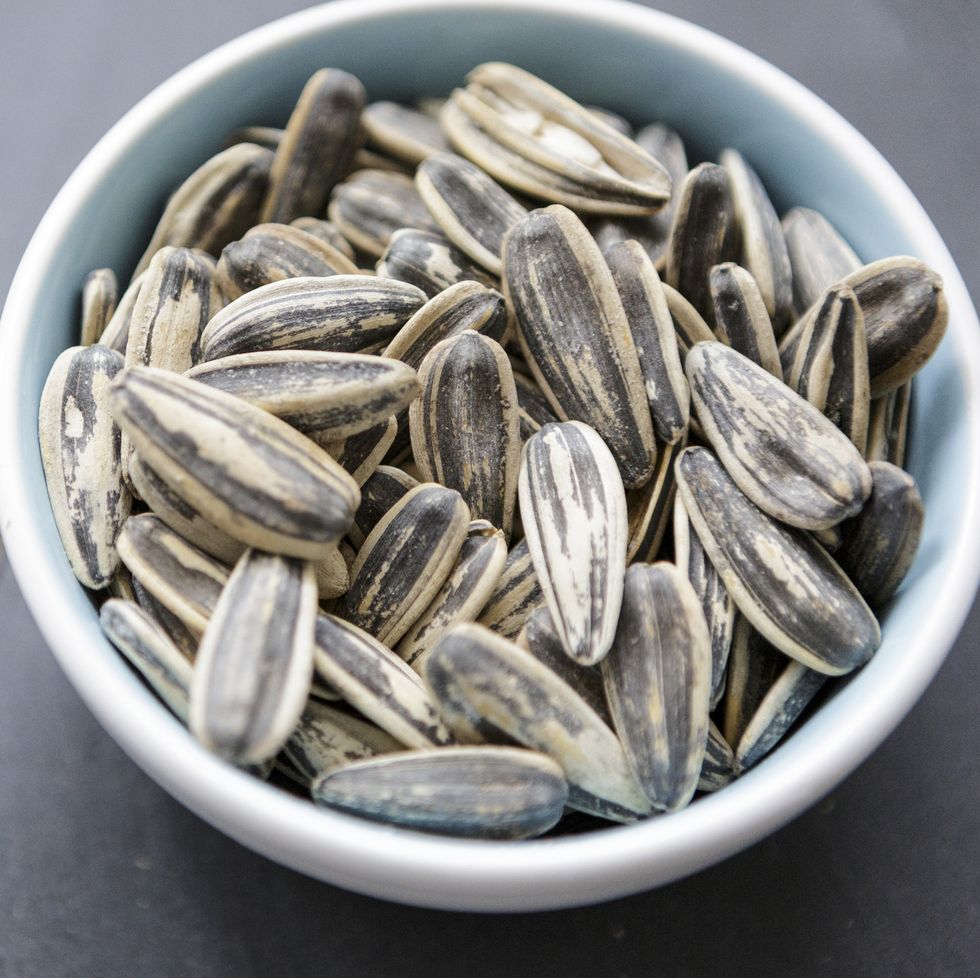
Pepitas, the edible seeds of the sunflower ( Helianthus annuus), represent a significant agricultural commodity. Pepita sunflower seed factories are specialized processing facilities dedicated to the dehulling, cleaning, drying, sorting, and often roasting or flavoring of these seeds for consumption. Their position within the food supply chain is critical, bridging the gap between agricultural production and consumer packaged goods. Core performance characteristics revolve around seed quality (oil content, protein levels, hulling percentage), throughput capacity, energy efficiency, and adherence to stringent food safety standards. The industry faces ongoing challenges including maximizing yield from variable sunflower crops, minimizing processing waste, maintaining seed integrity to prevent rancidity, and meeting increasingly complex regulatory requirements regarding allergen control and traceability. This guide details the material science, manufacturing processes, engineering considerations, and maintenance protocols critical to the successful operation of pepita sunflower seed factories.
Material Science & Manufacturing
The primary raw material, sunflower seeds, are composed of approximately 35-50% oil, 20-30% protein, 10-20% carbohydrate, and 5-10% moisture, with the remainder comprising fiber and mineral content. The hull, a protective outer layer, is primarily cellulose and lignin. Oil content varies significantly depending on sunflower variety (high oleic, linoleic, mid-oleic). Manufacturing begins with receiving and cleaning the raw seeds, removing foreign materials like stems, leaves, and dirt utilizing screens, aspirators, and destoners. The core process is dehulling, typically performed using impact dehullers or roller dehullers. Impact dehullers employ high-speed rotation to shatter the hulls, while roller dehullers use controlled pressure. Precise control of rotor speed, gap settings, and feed rate are critical to minimize kernel damage and maximize hull removal efficiency. Following dehulling, the kernels undergo sorting, often employing optical sorters based on color and shape to remove discolored, broken, or immature seeds. Drying is crucial to reduce moisture content to around 7-9% to prevent fungal growth and rancidity, typically achieved using fluidized bed dryers or continuous flow dryers. Temperature control during drying is paramount, as excessive heat degrades oil quality. Further processing may include seasoning, roasting (using hot air or oil roasting), and packaging. Material compatibility considerations include the use of food-grade stainless steel (304, 316L) for processing equipment to prevent corrosion and metal contamination, and the selection of appropriate lubricants that comply with food safety regulations (H1 lubricants).
Performance & Engineering
Pepita sunflower seed factory performance is fundamentally governed by mass and energy balance. Throughput capacity is directly influenced by the efficiency of each processing stage – cleaning, dehulling, sorting, and drying. Force analysis is critical in dehulling equipment, focusing on impact forces and shear stresses to optimize hull separation while minimizing kernel breakage. Environmental resistance is important for maintaining product quality; controlling temperature and humidity during storage and processing is vital to prevent moisture absorption and oxidation. Compliance requirements are extensive, encompassing food safety regulations (HACCP, FSMA), allergen control programs, and potential organic certification standards. Functional implementation of processing lines requires careful design of conveyor systems, material handling equipment, and control systems to ensure smooth material flow and minimize bottlenecks. Dust control is also a significant engineering consideration, requiring effective ventilation and filtration systems to prevent explosion hazards (sunflower dust is combustible) and maintain a safe working environment. The design of drying systems must account for the specific heat capacity and moisture diffusion characteristics of sunflower kernels to achieve optimal drying rates without compromising seed quality. Furthermore, energy efficiency initiatives, such as heat recovery systems and variable frequency drives on motors, are increasingly important for reducing operating costs and environmental impact.
Technical Specifications
| Parameter | Unit | Typical Value | Acceptable Range |
|---|---|---|---|
| Seed Moisture Content (Input) | % | 12-14 | 8-16 |
| Seed Moisture Content (Output) | % | 7-9 | 6-10 |
| Hulling Percentage | % | 95-98 | 90-99 |
| Kernel Damage (Broken/Split) | % | 2-5 | 0-8 |
| Foreign Material (Input) | % | 0.5-1.5 | 0-3 |
| Foreign Material (Output) | % | <0.1 | 0-0.2 |
Failure Mode & Maintenance
Common failure modes in pepita sunflower seed factories include: bearing failure in dehulling and conveying equipment (due to abrasive wear and improper lubrication), clogging of screens and ducts (resulting from dust buildup and inconsistent seed quality), electrical motor failures (caused by overload, dust ingress, and voltage fluctuations), cracking or fatigue failure of hulls and rollers (due to excessive stress or improper adjustment), and corrosion of stainless steel components (particularly in humid environments). Failure analysis often reveals root causes related to insufficient preventive maintenance, improper equipment setup, inadequate dust control, and the use of incompatible materials. Maintenance solutions involve a comprehensive program of regular inspections, lubrication, cleaning, and parts replacement. Vibration analysis can detect bearing wear early. Dust collection systems require periodic filter replacement and duct cleaning. Electrical systems should be regularly inspected for loose connections and insulation degradation. Rollers and hulls should be inspected for cracks and replaced as needed. Corrosion can be mitigated through the use of appropriate cleaning agents and protective coatings. Furthermore, operator training is crucial to ensure proper equipment operation and prevent avoidable damage. Implementing a computerized maintenance management system (CMMS) can streamline maintenance scheduling and tracking, improving overall equipment reliability and reducing downtime.
Industry FAQ
Q: What is the impact of sunflower variety on the dehulling process?
A: Sunflower variety significantly influences dehulling performance. Varieties with thinner hulls are easier to dehull, resulting in higher hulling percentages and reduced kernel damage. Conversely, varieties with thicker hulls require more aggressive dehulling settings, increasing the risk of kernel breakage. Factors like seed size and shape also impact dehulling efficiency.
Q: How do you control rancidity in pepitas during storage?
A: Rancidity is primarily caused by oxidation of unsaturated fatty acids. Control strategies include minimizing exposure to oxygen (using airtight packaging and nitrogen flushing), controlling temperature (storing seeds at cool temperatures), and controlling moisture content (maintaining low moisture levels to inhibit enzymatic activity). Adding antioxidants, such as vitamin E, can also help extend shelf life.
Q: What are the key considerations for dust explosion prevention?
A: Sunflower dust is combustible and can pose an explosion hazard. Key prevention measures include effective dust collection systems, grounding and bonding of equipment to prevent static electricity buildup, use of explosion-proof electrical equipment, regular cleaning to remove dust accumulation, and proper ventilation to maintain dust concentrations below the lower explosive limit (LEL).
Q: How can energy consumption be reduced in a pepita processing plant?
A: Energy efficiency can be improved through several strategies. Heat recovery systems can capture waste heat from dryers and reuse it for other processes. Variable frequency drives (VFDs) on motors can optimize energy consumption based on demand. Improving insulation can reduce heat loss. Optimizing airflow in drying systems can reduce energy use. Regular maintenance of equipment ensures efficient operation.
Q: What role does optical sorting play in quality control?
A: Optical sorting is a crucial step in quality control, enabling the removal of discolored, broken, or foreign material seeds. These systems utilize cameras and image processing algorithms to identify and reject defective seeds, ensuring a high-quality final product. They significantly improve product appearance and safety.
Conclusion
The successful operation of pepita sunflower seed factories demands a deep understanding of material science, meticulous process control, and robust engineering practices. From optimizing dehulling parameters based on sunflower variety to implementing comprehensive dust explosion prevention strategies, every aspect of the operation requires careful attention to detail. Maintaining strict adherence to food safety regulations and investing in preventative maintenance programs are critical for ensuring product quality and minimizing downtime.
Looking forward, advancements in sensor technology, automation, and data analytics offer opportunities to further optimize pepita processing. Real-time monitoring of seed quality, predictive maintenance based on machine learning, and automated process adjustments will enhance efficiency and reduce waste. The integration of sustainable practices, such as renewable energy sources and water conservation, will be essential for ensuring the long-term viability of the industry.
