Introduction
Peach flavored sunflower seeds represent a significant segment within the broader snack food industry, specifically the confectionary seed market. Suppliers in this space operate at the intersection of agricultural commodity processing, food flavoring technology, and increasingly, stringent food safety regulations. This guide details the technical aspects of peach flavored sunflower seed production, addressing material science considerations, manufacturing nuances, quality control parameters, potential failure modes, and relevant industry standards. The core performance attributes for these products revolve around consistent flavor delivery, acceptable seed moisture content for optimal texture, minimal shell fragmentation, and a visually appealing presentation. Current industry pain points include achieving consistent flavor encapsulation, managing acrylamide formation during roasting, and maintaining product integrity throughout the supply chain, particularly concerning lipid oxidation and resulting off-flavors. Suppliers must navigate these challenges while optimizing for cost-effectiveness and meeting evolving consumer preferences for healthier snack options.
Material Science & Manufacturing
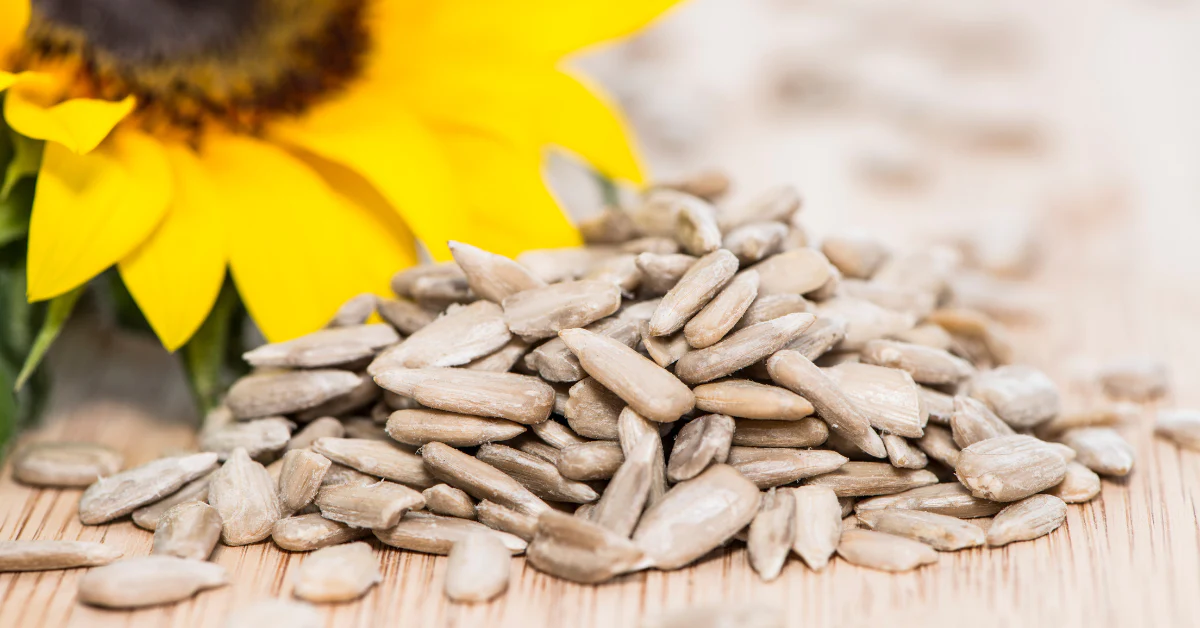
The primary raw material is, of course, the sunflower seed (Helianthus annuus). Seed quality, characterized by kernel size, oil content (typically 42-58%), and protein levels, directly impacts the final product. Seeds undergo cleaning, grading, and dehulling. Dehulling efficiency is critical; residual shell fragments contribute to textural defects and can harbor contaminants. Flavoring involves a multi-stage process. Initially, a base seasoning, usually salt and potentially other flavor enhancers (MSG, citric acid), is applied. The peach flavor itself is typically delivered via encapsulation. Encapsulation materials commonly include modified food starches, maltodextrin, and gums (e.g., acacia gum). These materials protect volatile flavor compounds during processing and control their release during consumption. Roasting is a crucial step affecting texture, flavor development, and microbial safety. Temperature control is paramount – excessive temperatures lead to acrylamide formation and lipid oxidation, while insufficient temperatures result in a bland, undesirable texture. Optimal roasting parameters vary based on seed moisture content and desired kernel color (ranging from light gold to medium brown). Finally, the seeds are cooled and packaged in moisture-barrier materials (typically multi-layer films incorporating aluminum or metallized polyester) to prevent rancidity and maintain crispness. Key parameters controlled during manufacturing include seed moisture content (target: 3-5% post-roast), roasting temperature (140-180°C), encapsulation application rate, and packaging oxygen permeability.
Performance & Engineering
The performance of peach flavored sunflower seeds is evaluated based on several key engineering properties. Firstly, shear force analysis determines the force required to fracture a kernel, indicating desired crispness. This is related to the moisture content and degree of roasting. Secondly, water activity (aw), a measure of unbound water, is critical for microbial stability. Aw values should be maintained below 0.6 to inhibit microbial growth. Lipid oxidation, a significant cause of rancidity, is assessed through peroxide value (PV) and anisidine value (AV) measurements. Low PV and AV values indicate minimal oxidation. Flavor release kinetics are analyzed using gas chromatography-mass spectrometry (GC-MS) to determine the rate at which volatile peach flavor compounds are released during mastication. This is influenced by the encapsulation material and its particle size. Packaging performance, specifically barrier properties, is evaluated using oxygen transmission rate (OTR) and water vapor transmission rate (WVTR) testing. Compliance requirements include adherence to FDA regulations regarding food additives, labeling, and Good Manufacturing Practices (GMP). Suppliers must also comply with potential import/export regulations of target markets, including maximum permissible levels of acrylamide and aflatoxins.
Technical Specifications
| Parameter | Unit | Typical Value | Acceptable Range |
|---|---|---|---|
| Kernel Moisture Content | % (wt/wt) | 4.0 | 3.0 - 5.0 |
| Peach Flavor Intensity | ppm | 500 | 400 - 600 |
| Shell Fragment Content | % (wt/wt) | 0.5 | < 1.0 |
| Peroxide Value (PV) | meq O2/kg | 2.0 | < 5.0 |
| Water Activity (aw) | - | 0.55 | < 0.60 |
| Oxygen Transmission Rate (OTR) (Packaging) | cc/m2/day | < 1.0 | < 2.0 |
Failure Mode & Maintenance
Common failure modes in peach flavored sunflower seeds include rancidity (due to lipid oxidation), loss of flavor intensity (flavor degradation), softening of the kernel (moisture absorption), and the presence of shell fragments. Rancidity is often indicated by off-odors and a bitter taste. It can be mitigated by using antioxidant additives (e.g., tocopherols, BHA/BHT – within regulatory limits) and employing oxygen-barrier packaging. Flavor degradation occurs due to the loss of volatile flavor compounds, accelerated by exposure to oxygen, light, and heat. Proper encapsulation and packaging are crucial preventative measures. Kernel softening results from moisture absorption, leading to a loss of crispness. Maintaining low water activity and using moisture-barrier packaging are essential. Shell fragments are primarily a result of inefficient dehulling processes. Improving dehulling equipment and process controls can minimize this issue. Maintenance strategies involve regular cleaning of processing equipment to prevent contamination, calibration of roasting and flavoring equipment to ensure consistent performance, and strict adherence to HACCP principles (Hazard Analysis and Critical Control Points) to identify and control potential food safety hazards. Regular sensory evaluation (taste panels) is crucial for detecting subtle changes in flavor and texture, indicating potential quality issues. Storage conditions – cool, dry, and dark – are paramount for extending shelf life.
Industry FAQ
Q: What is the impact of acrylamide formation during the roasting process and how can it be minimized?
A: Acrylamide is a potential carcinogen formed during high-temperature cooking processes like roasting. It's generated from the reaction of asparagine (an amino acid) with reducing sugars. Minimizing acrylamide formation requires careful control of roasting temperature and time. Lowering roasting temperatures, reducing roasting time, and potentially pretreating seeds to reduce free asparagine levels can help. Regular testing for acrylamide levels is crucial to ensure compliance with regulatory limits.
Q: How does the choice of encapsulation material affect flavor release and stability?
A: The encapsulation material significantly influences flavor release kinetics and stability. Materials with higher porosity allow for faster flavor release, while those with lower porosity provide sustained release. The material’s barrier properties also protect volatile flavor compounds from oxidation and evaporation. Modified food starches are commonly used due to their cost-effectiveness, but gum arabic offers superior flavor protection.
Q: What are the critical considerations for packaging to prevent rancidity?
A: Packaging must provide an effective barrier against oxygen, moisture, and light. Multi-layer films incorporating aluminum or metallized polyester are typically used. The oxygen transmission rate (OTR) should be minimized. Additionally, using nitrogen flushing during packaging can further reduce oxygen levels inside the package.
Q: What analytical methods are used to assess the quality and safety of peach flavored sunflower seeds?
A: Key analytical methods include moisture content determination (Karl Fischer titration), water activity measurement, peroxide value (PV) and anisidine value (AV) for assessing lipid oxidation, gas chromatography-mass spectrometry (GC-MS) for flavor profiling, acrylamide testing (HPLC-MS/MS), and aflatoxin analysis (ELISA).
Q: How do variations in sunflower seed oil content impact the final product’s shelf life and texture?
A: Higher oil content seeds tend to have a shorter shelf life due to increased susceptibility to lipid oxidation. They can also contribute to a slightly softer texture. Selecting seeds with an optimal oil content (typically 45-55%) and employing effective antioxidant strategies are crucial for mitigating these effects.
Conclusion
Peach flavored sunflower seed production demands a nuanced understanding of material science, manufacturing processes, and quality control parameters. Successful suppliers must prioritize consistent flavor encapsulation, minimize acrylamide formation during roasting, and employ effective packaging solutions to prevent rancidity and maintain product integrity. The critical interplay between seed quality, roasting parameters, and packaging performance dictates the final product’s shelf life, texture, and flavor profile.
Looking ahead, innovation in encapsulation technologies, utilizing natural antioxidants, and developing more sustainable packaging materials will be key to meeting evolving consumer demands. Furthermore, robust analytical testing and adherence to stringent food safety standards are non-negotiable for maintaining market access and building consumer trust. Continuous process optimization and a proactive approach to emerging regulatory challenges are essential for sustained success in this competitive market.
