Introduction
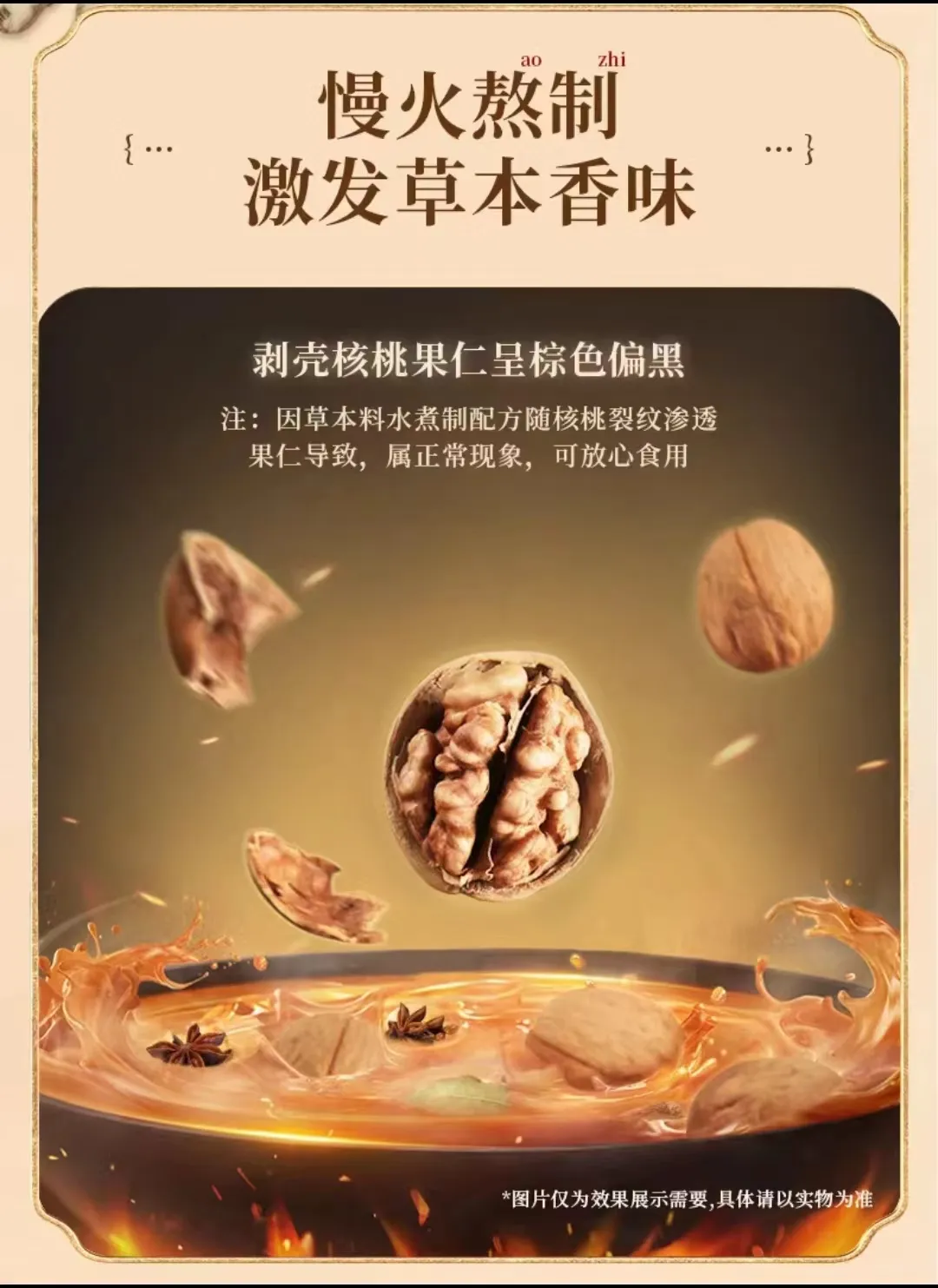
Peach-flavored sunflower seeds represent a significant segment within the broader snack food industry, bridging the gap between traditional sunflower seed consumption and the demand for innovative, flavored products. These seeds are not simply a snack; they are an engineered food product requiring careful control of seed selection, roasting/drying processes, flavoring application, and packaging to ensure consistent quality, palatability, and shelf life. The supply chain, from raw sunflower seed sourcing to finished product delivery, demands stringent quality control measures and adherence to food safety standards. This guide provides an in-depth technical overview of peach-flavored sunflower seed production, encompassing material science, manufacturing processes, performance characteristics, failure modes, and relevant industry standards. Core challenges for suppliers revolve around flavor adhesion, moisture control to prevent rancidity, and maintaining a consistent, appealing sensory profile that meets evolving consumer preferences. Delivering a product that balances optimal texture – crispness and chewiness – with a stable and attractive flavor remains the primary technical hurdle.
Material Science & Manufacturing
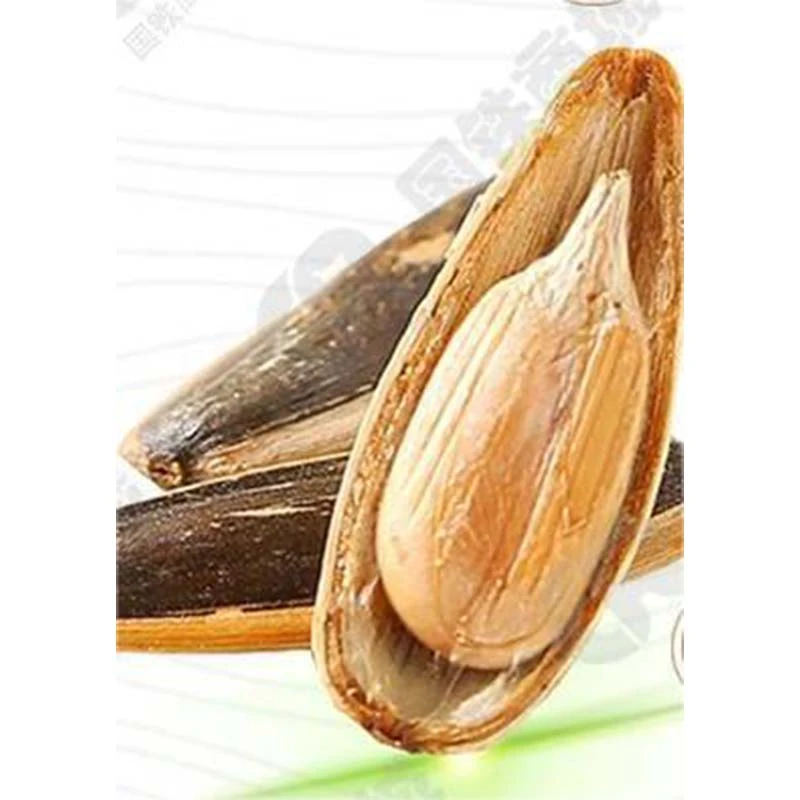
The foundation of peach-flavored sunflower seeds lies in the raw material: sunflower seeds ( Helianthus annuus). Seeds are categorized by size and oil content, with larger seeds generally yielding a more satisfying eating experience. Oil content, typically ranging from 40-55%, is critical, as it impacts roasting characteristics and susceptibility to rancidity. The seed kernel consists primarily of lipids (oils), proteins, carbohydrates, and trace amounts of vitamins and minerals. Roasting is a crucial step, reducing moisture content to approximately 3-5% and developing the characteristic sunflower seed flavor. This process involves convective heat transfer, and precise temperature control (typically 140-160°C) is essential to prevent scorching and ensure uniform roasting. Following roasting, a flavoring system is applied. This typically consists of a dry blend of flavor compounds (natural and artificial peach flavors, citric acid for tartness, salt for seasoning), a carrier (maltodextrin or cornstarch for adhesion), and potentially a dusting oil (vegetable oil) to improve flavor retention. Flavor adhesion is often enhanced through a controlled humidification step prior to flavoring application. The process flow includes seed cleaning, sizing, dehulling (optional), roasting, cooling, flavoring, and packaging. Parameter control is paramount; roasting time and temperature are monitored via continuous temperature sensors and data logging. Flavor application is governed by precise weight control systems to ensure consistency. Packaging materials – typically multi-layer films with high barrier properties (oxygen, moisture) – are selected based on shelf-life requirements and compatibility with the seed oil to prevent permeation and flavor degradation.
Performance & Engineering
Performance evaluation of peach-flavored sunflower seeds centers around sensory attributes, shelf life, and structural integrity. Sensory analysis, employing trained panels, assesses flavor intensity, peach aroma, saltiness, and overall acceptability. Texture analysis, using instruments like texture analyzers, measures hardness, crispness, and chewiness. These parameters are critical for consumer acceptance. Shelf life is determined by monitoring oxidation levels (peroxide value, PV) and flavor degradation over time under controlled storage conditions (temperature, humidity). Engineering considerations involve packaging design to minimize oxygen and moisture ingress. Barrier properties of packaging films (Oxygen Transmission Rate – OTR, Water Vapor Transmission Rate – WVTR) are crucial. Force analysis during packaging assesses the compressive strength of the seeds to prevent breakage and maintain presentation quality. Compliance requirements include adherence to food safety regulations (FDA, EFSA), labeling standards, and allergen control programs. The Maillard reaction, occurring during roasting, contributes to flavor development but can also lead to acrylamide formation; monitoring acrylamide levels is therefore essential. Maintaining optimal moisture content is critical for preventing microbial growth and preserving flavor stability. Environmental resistance analysis focuses on the seed’s ability to withstand temperature fluctuations during transportation and storage without significant flavor loss or texture changes.
Technical Specifications
| Parameter | Specification | Test Method | Criticality |
|---|---|---|---|
| Moisture Content | 3.0 – 5.0% | Karl Fischer Titration (AOAC 925.10) | High |
| Oil Content | 45 – 55% | Soxhlet Extraction (AOAC 920.39) | High |
| Peroxide Value (PV) | < 5 meq O2/kg | AOCS Cd 8-53 | High |
| Peach Flavor Intensity | 5-8 (on a 1-10 scale) | Sensory Evaluation (ASTM E2347) | Medium |
| Salt Content | 0.8 – 1.2% | Argentometric Titration (AOAC 930.45) | Medium |
| Water Vapor Transmission Rate (WVTR) – Packaging Film | < 2 g/m²/24h | ASTM E96 | High |
Failure Mode & Maintenance
Failure modes in peach-flavored sunflower seeds are primarily related to flavor degradation, rancidity, and physical damage. Rancidity, caused by lipid oxidation, results in off-flavors and reduced product acceptability. This is accelerated by exposure to oxygen, light, and elevated temperatures. Flavor loss occurs due to volatilization of aroma compounds over time. Physical damage, such as kernel breakage during processing or transportation, reduces visual appeal and can contribute to dust formation within the packaging. Failure analysis reveals that inadequate roasting can lead to residual moisture, promoting microbial growth and accelerating rancidity. Insufficient flavor coating results in uneven flavor distribution and reduced intensity. Packaging defects (pinholes, compromised seals) allow oxygen and moisture ingress, accelerating degradation. Maintenance solutions include implementing strict quality control measures throughout the process – ensuring proper roasting parameters, optimizing flavor application techniques, utilizing high-barrier packaging materials, and maintaining optimal storage conditions (cool, dry, dark). Regular monitoring of peroxide value and sensory attributes is crucial for detecting early signs of degradation. Implementing a First-In, First-Out (FIFO) inventory management system minimizes storage time and reduces the risk of product spoilage. Proper equipment maintenance, including cleaning and calibration of roasting and flavoring equipment, is essential for consistent product quality.
Industry FAQ
Q: What are the key factors influencing flavor adhesion to the sunflower seed kernel?
A: Flavor adhesion is significantly impacted by the surface characteristics of the roasted seed, specifically its roughness and residual moisture content. A slightly humidified kernel surface (achieved through controlled misting) improves adhesion. The particle size and composition of the flavoring blend also play a role; finer particle sizes and the inclusion of binding agents like maltodextrin enhance adhesion. The type of oil used in the flavoring blend can also affect adhesion, with oils that exhibit better wetting properties leading to improved coating.
Q: How do you mitigate the risk of acrylamide formation during the roasting process?
A: Acrylamide formation is a concern during high-temperature roasting. Mitigation strategies include optimizing roasting time and temperature – minimizing exposure to excessive heat. Controlling the reducing sugar content in the raw seeds can also help. Implementing careful process control to prevent scorching and ensuring uniform roasting are crucial. Utilizing roasting profiles that minimize Maillard reaction intensity without sacrificing flavor development is another key approach.
Q: What packaging materials are best suited for maintaining the freshness and flavor of peach-flavored sunflower seeds?
A: Multi-layer films incorporating aluminum foil or metallized polyester provide excellent barrier properties against oxygen, moisture, and light. High-density polyethylene (HDPE) or polypropylene (PP) are often used as inner layers for structural support. The selection should be based on OTR and WVTR specifications, as well as compatibility with the seed oil to prevent permeation and flavor loss. Modified atmosphere packaging (MAP), using nitrogen flushing to displace oxygen, can further extend shelf life.
Q: How is the consistency of the peach flavor profile ensured across different production batches?
A: Consistency is maintained through rigorous quality control of the flavoring blend, precise weighing and dispensing of flavor ingredients, and regular sensory evaluation of finished product batches. A standardized flavoring recipe, coupled with automated flavor application equipment, minimizes variability. Calibration of analytical instruments used for flavor component analysis is essential. Establishing clear acceptance criteria for sensory attributes and implementing a statistical process control (SPC) system help identify and address any deviations from the target flavor profile.
Q: What quality control tests are routinely performed on raw sunflower seeds before processing?
A: Raw sunflower seeds undergo several quality control tests, including moisture content analysis, oil content determination, foreign material inspection (visual and using sieves), seed size grading, and assessment of kernel damage. Mycotoxin analysis (aflatoxins) is critical to ensure food safety. Germination testing can provide an indication of seed viability and overall quality. Seed density measurements can correlate with oil content and roasting performance.
Conclusion
The production of high-quality peach-flavored sunflower seeds is a complex process requiring meticulous control of material science principles and manufacturing parameters. Achieving a consistently appealing sensory profile, extending shelf life, and maintaining food safety are paramount concerns for suppliers. The optimization of roasting conditions, precise flavor application, and the utilization of advanced packaging technologies are essential for delivering a superior product.
Future trends in this sector will likely focus on utilizing natural flavoring compounds, reducing acrylamide levels through innovative processing techniques, and developing sustainable packaging solutions. Continued research into seed genetics to improve oil content and flavor precursor compounds will also be crucial. Suppliers who invest in process optimization, quality control, and innovation will be best positioned to meet evolving consumer demands and maintain a competitive edge in the market.
