Introduction
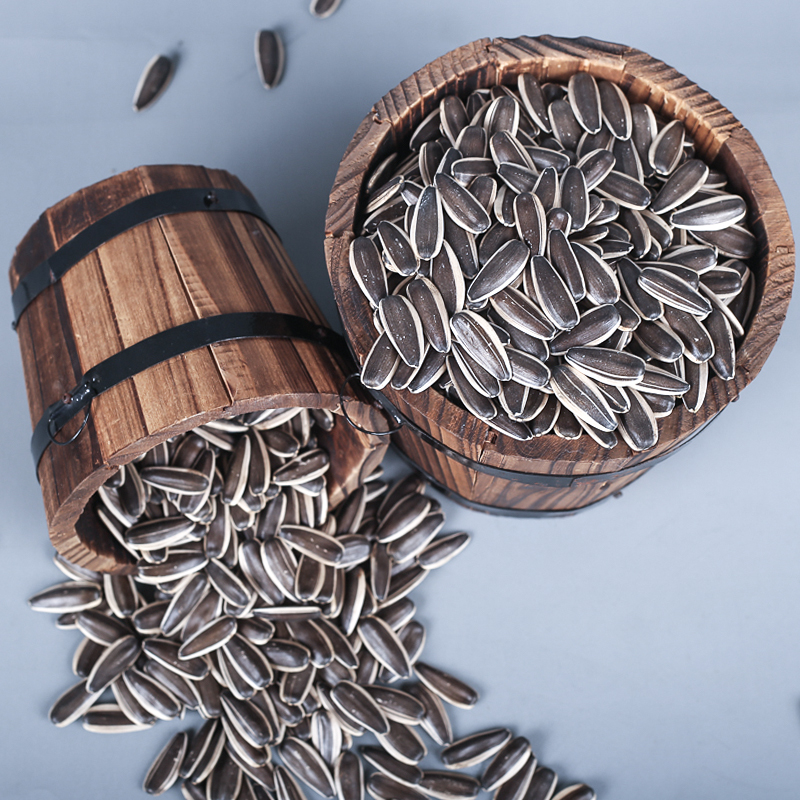
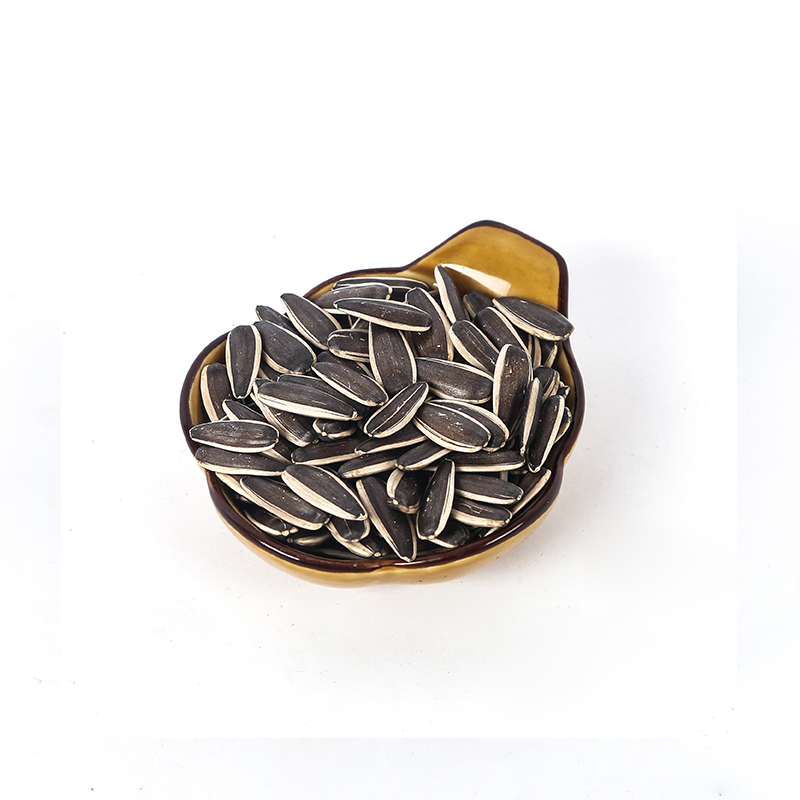
Peach flavored sunflower seeds represent a processed food product derived from the kernel of the sunflower ( Helianthus annuus ). Positioned within the broader snack food industry, specifically the seed-based snack segment, they serve as a convenient and palatable source of protein, healthy fats, and micronutrients. The flavoring process, incorporating artificial or natural peach essences, differentiates them from traditional salted or unflavored sunflower seeds. Core performance characteristics center around palatability – the intensity and authenticity of the peach flavor – shelf life (preventing rancidity), and maintaining seed integrity during processing and packaging. This guide provides a detailed technical overview of the material science, manufacturing processes, performance characteristics, potential failure modes, and industry standards associated with peach flavored sunflower seeds.
Material Science & Manufacturing
The primary raw material, sunflower kernels, exhibit a complex composition. Approximately 45-55% of the kernel consists of oil, predominantly linoleic acid (an omega-6 fatty acid). Protein content ranges from 20-25%, primarily globulins and albumins. Carbohydrates comprise 15-20%, and fiber contributes approximately 5-10%. Manufacturing begins with dehulling and drying the sunflower seeds to a moisture content of approximately 8-10% to inhibit enzymatic activity and microbial growth. The subsequent roasting process, typically conducted between 120-150°C, enhances flavor and reduces moisture further. The crucial step involves flavor application. This is typically achieved through a tumbling process where a peach flavoring compound, formulated with carriers like maltodextrin or gum arabic, is sprayed onto the roasted seeds. The flavoring composition includes both natural and artificial flavor compounds, citric acid for tartness, and potentially colorants. Parameter control during flavoring is critical; insufficient coating results in uneven flavor distribution, while excessive coating leads to tackiness and clumping. Finally, the seeds are cooled, sorted to remove broken kernels, and packaged in moisture-barrier films to maintain freshness. The quality of the sunflower oil significantly impacts the final product’s oxidative stability. Seed variety (e.g., high oleic vs. linoleic) influences oil profile and thus, shelf life.
Performance & Engineering
Performance evaluation of peach flavored sunflower seeds hinges on several key factors. Shear force analysis is employed to determine the optimal kernel hardness – a balance between crunchiness and ease of cracking. Peach flavor intensity is assessed using gas chromatography-mass spectrometry (GC-MS) to quantify key aroma compounds and correlate them with sensory panel evaluations. Moisture content, maintained below 3% post-packaging, is critical for preventing microbial growth and rancidity. Packaging material selection is paramount; films with low oxygen transmission rates (OTR < 10 cm³/m²/day) and low water vapor transmission rates (WVTR < 3 g/m²/day) are essential to extend shelf life. The force required to break the shell (shell fracture strength) is also a key parameter measured to ensure consistent consumer experience. Long-term stability testing under accelerated conditions (elevated temperature and humidity) is conducted to predict shelf life and identify potential degradation pathways. Compliance with food safety regulations (FDA in the US, EFSA in Europe) regarding flavoring compounds and packaging materials is non-negotiable. Seed integrity during processing is optimized through controlled roasting parameters and gentle handling to minimize breakage and dust formation.
Technical Specifications
| Parameter | Unit | Specification | Test Method |
|---|---|---|---|
| Moisture Content | % w/w | ≤ 3.0 | AOAC 925.10 |
| Oil Content | % w/w | 45-55 | Soxhlet Extraction (AOAC 920.39) |
| Peach Flavor Intensity | ppm (key aroma compounds) | 5-15 (varies by formulation) | GC-MS Analysis |
| Peroxide Value (Oil) | meq O₂/kg | ≤ 5.0 | AOCS Cd 8-53 |
| Shell Fracture Strength | N | 10-20 | Texture Analyzer |
| Oxygen Transmission Rate (OTR) - Packaging | cm³/m²/day | ≤ 10 | ASTM D3985 |
Failure Mode & Maintenance
Several failure modes can compromise the quality of peach flavored sunflower seeds. Rancidity, caused by lipid oxidation, is a primary concern, manifesting as an off-flavor and odor. This is accelerated by exposure to oxygen, light, and elevated temperatures. Flavor degradation, where the peach aroma diminishes over time, is another common issue. This can result from volatile compound loss or chemical reactions within the flavoring matrix. Physical damage, such as cracked or broken kernels, occurs during processing and handling, reducing product appeal. Moisture ingress, facilitated by inadequate packaging, leads to clumping, microbial growth (mold, yeast), and accelerated rancidity. Peach flavor “bleeding” or migration into the packaging material can also occur, particularly with certain plasticizers. Maintenance involves stringent quality control throughout the manufacturing process – maintaining low moisture content, using antioxidant additives (e.g., BHA, BHT) to inhibit oxidation, employing appropriate packaging materials, and storing the product in cool, dry conditions. Regularly monitoring peroxide values and sensory characteristics is crucial for detecting early signs of degradation. Proper stock rotation (FIFO – First In, First Out) is essential to minimize storage time and ensure product freshness.
Industry FAQ
Q: What is the impact of sunflower seed variety on the flavor retention of the peach flavoring?
A: The sunflower seed variety significantly influences flavor retention. Varieties with higher oleic acid content exhibit greater oxidative stability, slowing down the degradation of the peach flavoring compounds. Linoleic acid-rich varieties are more prone to rancidity, potentially masking or altering the peach aroma. Therefore, selecting high-oleic sunflower seeds is generally preferred for peach-flavored products.
Q: How does the type of carrier used in the peach flavoring affect its adherence to the seeds and overall product quality?
A: The carrier material impacts flavor adhesion and uniformity. Maltodextrin is a common carrier, providing good adhesion but potentially contributing to tackiness at high concentrations. Gum arabic offers better flavor release and a smoother texture but may be more expensive. The particle size of the carrier also matters; finer particles generally provide more even coating. Choosing the appropriate carrier depends on the desired texture, flavor intensity, and cost considerations.
Q: What packaging materials offer the best protection against moisture and oxygen ingress for long-term storage?
A: Multi-layer films incorporating a metallized layer (e.g., aluminum foil) and a polyethylene (PE) or polypropylene (PP) inner layer provide the best barrier properties. High-density polyethylene (HDPE) offers good moisture resistance but lower oxygen barrier. Co-extruded films with ethylene vinyl alcohol (EVOH) offer excellent oxygen barrier. The choice depends on the desired shelf life and cost constraints.
Q: What analytical methods are used to quantify the shelf life of peach flavored sunflower seeds?
A: Accelerated Shelf Life Testing (ASLT) is commonly employed. Samples are stored at elevated temperatures and humidity levels, and changes in key parameters (moisture content, peroxide value, flavor intensity, sensory attributes) are monitored over time. This data is then extrapolated to predict shelf life under normal storage conditions. Kinetic modeling is often used to refine these predictions.
Q: What are the key regulatory requirements concerning the flavoring compounds used in peach flavored sunflower seeds?
A: Regulatory requirements vary by region. In the US, the FDA regulates flavoring compounds under the Generally Recognized as Safe (GRAS) status or requires pre-approval as a food additive. In Europe, the European Food Safety Authority (EFSA) assesses the safety of flavoring substances. Compliance with labeling requirements regarding ingredient declarations and allergen information is also crucial.
Conclusion
Peach flavored sunflower seeds represent a complex food product where material science, processing parameters, and packaging solutions intersect to dictate product quality and shelf life. Maintaining optimal moisture content, utilizing high-oleic sunflower seeds, and employing robust barrier packaging are critical for minimizing rancidity and preserving the delicate peach flavor profile. Rigorous quality control, including monitoring peroxide values and sensory attributes, is essential throughout the manufacturing process.
Future advancements may focus on encapsulation technologies to enhance flavor retention and controlled-release mechanisms to deliver a more intense and prolonged sensory experience. The development of biodegradable and compostable packaging materials will also align with growing consumer demand for sustainable food products. Continued research into the impact of seed variety on flavor stability will further optimize product formulation and extend shelf life.
