Introduction
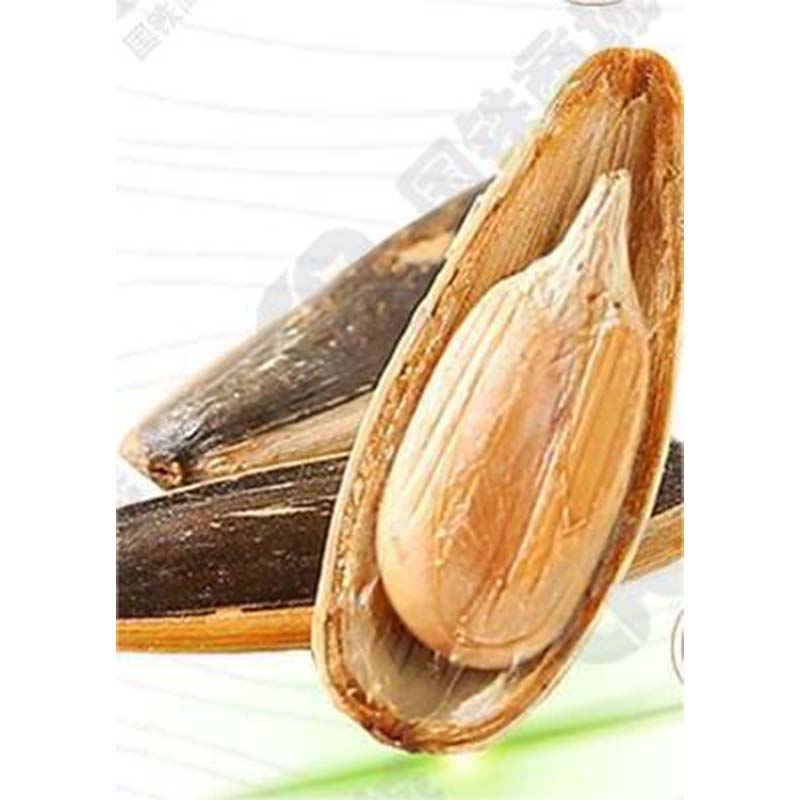
Peach flavored sunflower seeds represent a processed snack food product within the broader confectionery and seed-based snack industry. Technically, they consist of sunflower seeds ( Helianthus annuus ) that undergo a series of processing stages including dehulling, size grading, roasting, flavoring application, and packaging. These seeds occupy a niche in the snack food market, appealing to consumers seeking a savory, portable, and relatively inexpensive snack option. Their primary performance characteristics revolve around taste profile, texture (crunchiness), seed integrity, and shelf life. The market demand is driven by consumer preferences for flavored snacks, convenience, and perceived nutritional benefits associated with sunflower seeds (e.g., vitamin E, magnesium). A key challenge for manufacturers is maintaining consistent flavor application, preventing rancidity, and adhering to food safety regulations. This guide provides an in-depth technical analysis of peach flavored sunflower seed production, material science, performance characteristics, potential failure modes, and relevant industry standards.
Material Science & Manufacturing
The primary raw material, sunflower seeds, exhibits a complex composition. The seed kernel comprises approximately 50-55% oil (primarily linoleic acid, an omega-6 fatty acid), 20-25% protein, 15-20% carbohydrates, and residual moisture content around 10%. The shell, or hull, is largely composed of cellulose and lignin. Peach flavoring is typically applied as a powdered blend consisting of sucrose, dextrose, citric acid (for tartness), artificial or natural peach flavor compounds (esters, aldehydes contribute to the characteristic aroma), and potentially colorants (e.g., FD&C Yellow No. 5). Manufacturing commences with cleaning and dehulling the sunflower seeds. This is followed by size grading to ensure uniformity. Roasting, typically at temperatures between 140-160°C for 20-30 minutes, develops the characteristic flavor and reduces moisture content, enhancing shelf stability. The critical parameter during roasting is monitoring seed temperature to prevent burning or under-roasting. Flavoring is applied via a tumbling process where the roasted seeds are coated with the peach flavor powder. Precise control of the tumbler speed, flavor powder feed rate, and coating time is essential for even flavor distribution. A final drying step may be implemented to remove residual surface moisture from the flavoring. Packaging utilizes multi-layer films, often incorporating aluminum foil or metallized layers for barrier properties (oxygen, moisture, light). Key process control points include oil content monitoring of seeds, roasting temperature/time profile, flavor coating uniformity, and packaging seal integrity.
Performance & Engineering
The structural integrity of the sunflower seed kernel is paramount for maintaining a desirable crunch. Force analysis reveals that the brittle fracture strength of the seed coat is dependent on moisture content and roasting level. Lower moisture content generally increases brittleness. The peach flavoring coating must exhibit adequate adhesion to the seed surface to withstand handling and transportation. Adhesion strength is affected by the coating composition, application method, and seed surface properties. Environmental resistance is a significant consideration. Exposure to oxygen and moisture leads to lipid oxidation (rancidity), degrading flavor and reducing shelf life. Barrier properties of the packaging material are therefore crucial. The product must comply with food safety regulations regarding permissible levels of heavy metals, pesticides, and microbial contamination (e.g., Salmonella, E. coli). Functional implementation focuses on consumer experience; the optimal balance of sweetness, tartness, and peach flavor intensity is engineered to maximize palatability. The seed-to-flavor ratio is a critical parameter, influencing both cost and consumer acceptance. Furthermore, the packaging design incorporates engineering considerations for stackability, ease of opening, and portion control.
Technical Specifications
| Parameter | Unit | Specification | Test Method |
|---|---|---|---|
| Moisture Content (Seed Kernel) | % w/w | ≤ 8.0 | AOAC 925.10 |
| Oil Content (Seed Kernel) | % w/w | 48 – 58 | Soxhlet Extraction (AOAC 920.39) |
| Peach Flavor Intensity | Arbitrary Units | 50 – 80 (Sensory Panel) | Sensory Evaluation – Triangle Test |
| Peroxide Value (Oil) | meq O₂/kg | ≤ 5.0 | AOAC 965.33 |
| Seed Integrity (Broken Seeds) | % w/w | ≤ 2.0 | Visual Inspection/Sieving |
| Water Vapor Transmission Rate (WVTR) – Packaging | g/m²/24h | ≤ 3.0 | ASTM E96 |
Failure Mode & Maintenance
Common failure modes include rancidity due to lipid oxidation, leading to off-flavors and reduced product quality. This is accelerated by exposure to oxygen, light, and elevated temperatures. Another failure mode is loss of coating adhesion, resulting in flavor leaching and a visually unappealing product. Physical damage (cracking, chipping) during handling and transportation can also occur, compromising product integrity. Packaging failure (seal breaches, punctures) allows ingress of moisture and oxygen, accelerating degradation. Microbial contamination, while rare with proper processing, can lead to spoilage and potential health risks. Maintenance focuses on preventative measures. Proper storage conditions (cool, dry, dark environment) are crucial for minimizing oxidation. Packaging materials should be regularly inspected for defects. Equipment (roasters, tumblers) should undergo routine cleaning and maintenance to prevent contamination and ensure consistent performance. Quality control checks at each stage of production (raw material inspection, roasting control, flavor application verification, packaging seal testing) are essential for identifying and correcting potential issues. Regular monitoring of peroxide value serves as an indicator of oxidative deterioration.
Industry FAQ
Q: What is the optimal roasting profile to maximize flavor development while minimizing acrylamide formation?
A: Achieving the optimal roasting profile requires careful control of temperature and time. Lower roasting temperatures (140-150°C) for longer durations generally minimize acrylamide formation while still developing desirable flavor compounds. Monitoring seed core temperature is critical; exceeding 160°C significantly increases acrylamide risk. Furthermore, seed variety and moisture content influence acrylamide formation; utilizing seeds with lower reducing sugar content can help mitigate this risk. Regular monitoring of acrylamide levels during process validation is recommended.
Q: How do you ensure consistent flavor distribution during the coating process?
A: Consistent flavor distribution is achieved through precise control of several parameters. Maintaining a consistent tumbler speed and flavor powder feed rate are essential. The particle size distribution of the flavor powder must be uniform to ensure even coating. Pre-treating the seeds with a light oil coating can improve adhesion of the flavor powder. Regular monitoring of coating weight gain and visual inspection for unevenness are crucial quality control steps. Batch-to-batch consistency in flavor powder composition is also vital.
Q: What are the primary packaging material requirements to ensure a long shelf life?
A: The primary packaging material must exhibit excellent barrier properties against oxygen, moisture, and light. A multi-layer structure incorporating a metallized film or aluminum foil layer is recommended. The film thickness and metal deposition density influence barrier performance. Seal integrity is paramount; heat-sealable films with robust seal strength are required. The packaging material should also be resistant to puncture and abrasion during handling and transportation.
Q: How is the quality of the peach flavor powder verified?
A: Quality verification of the peach flavor powder includes several analytical tests. Gas chromatography-mass spectrometry (GC-MS) is used to identify and quantify the key flavor compounds, ensuring consistency with the desired flavor profile. Moisture content is measured to prevent clumping and ensure uniform dispersion. Particle size distribution is analyzed to optimize coating performance. Microbiological testing is conducted to ensure the absence of harmful microorganisms. Color and appearance are visually assessed to confirm conformity to specifications.
Q: What are the typical shelf-life limitations for peach flavored sunflower seeds?
A: The typical shelf life for peach flavored sunflower seeds, when stored under optimal conditions (cool, dry, dark), is 6-9 months. However, this can vary depending on the packaging material, processing conditions, and initial seed quality. Monitoring peroxide value and sensory attributes (flavor, aroma) over time is essential for determining actual shelf life. Accelerated shelf-life testing can be conducted to predict long-term stability.
Conclusion
Peach flavored sunflower seeds represent a complex interplay of material science, processing engineering, and quality control. Maintaining product quality hinges on careful control of each stage, from raw material selection to packaging. The key technical challenges revolve around preventing lipid oxidation, ensuring consistent flavor application, and maintaining seed integrity. A thorough understanding of these factors is crucial for manufacturers seeking to deliver a consistently high-quality product that meets consumer expectations.
Future trends may focus on utilizing innovative packaging technologies (e.g., modified atmosphere packaging) to further extend shelf life. Exploring natural flavorings and reducing sugar content could appeal to health-conscious consumers. Optimization of the roasting process to minimize acrylamide formation while maximizing flavor development remains a critical area of research. Continued investment in quality control methodologies will be essential for ensuring product safety and maintaining brand reputation.
