Introduction
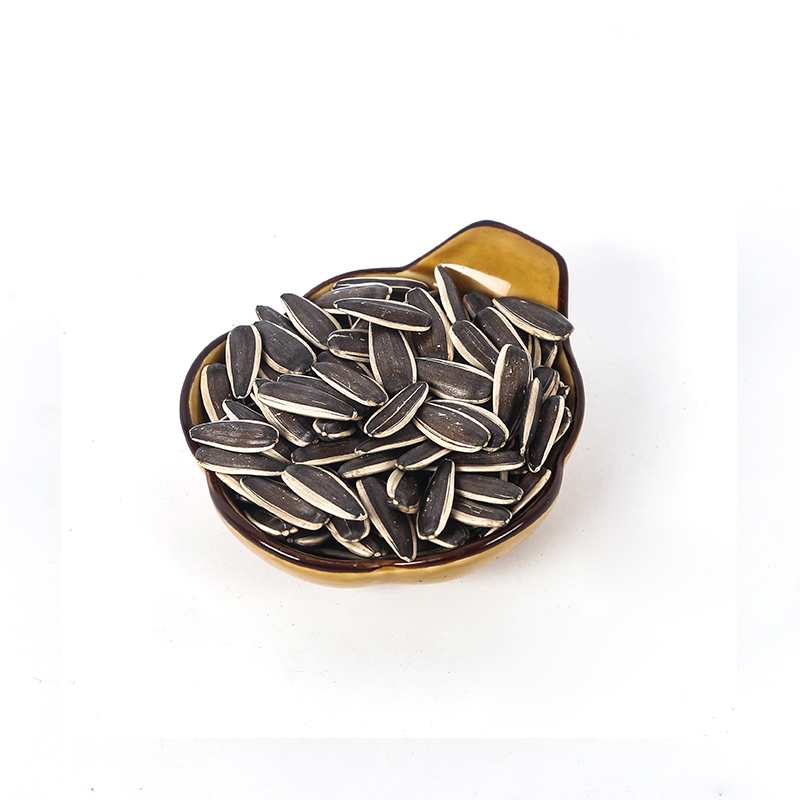
Peach flavored sunflower seeds represent a significant segment within the broader snack food industry, specifically in the realm of seasoned seeds. These seeds, typically derived from Helianthus annuus, undergo a multi-stage processing procedure involving kernel extraction, size grading, dehulling, heat treatment, flavoring application, and packaging. Their technical position in the supply chain extends from agricultural production to consumer packaged goods. Core performance metrics revolve around flavor adhesion, kernel integrity (minimizing broken kernels), moisture content control to ensure shelf life stability, and the consistent delivery of the desired peach flavor profile. The industry faces challenges related to raw material sourcing consistency, ensuring non-GMO compliance, and meeting stringent food safety regulations. The product’s appeal stems from its portability, perceived health benefits associated with sunflower seeds (source of Vitamin E and healthy fats), and the palatable flavor experience.
Material Science & Manufacturing
The primary raw material, sunflower kernels, consists of approximately 35-45% oil, 20-25% protein, and 15-20% carbohydrate. The hull, primarily cellulose and lignin, is removed to maximize edibility. Flavoring compounds are critical; peach flavor generally derives from a blend of synthetic esters (ethyl butyrate, isoamyl acetate), aldehydes (benzaldehyde), and natural or artificial flavorings. The manufacturing process begins with kernel cleaning and grading based on size. The kernels are then typically heat-treated (roasting or hot air drying) to reduce moisture content to 2-3% – crucial for shelf life. Flavor application utilizes tumbling equipment, often with a precisely metered spray system for liquid flavorings or a powder coating system for dry flavorings. Parameter control is vital: roasting temperature (typically 120-150°C) directly affects kernel texture and oil oxidation. Flavor concentration impacts flavor intensity and adhesion. Coating uniformity is monitored via visual inspection and analytical techniques like gas chromatography-mass spectrometry (GC-MS) to verify flavor compound distribution. Packaging, frequently in multi-layer films (PET/Aluminum/Polyethylene), is essential to maintain low oxygen permeability and prevent rancidity.
Performance & Engineering
Performance analysis focuses on several key areas. Firstly, flavor adhesion strength is critical; it's evaluated using shear force testing, measuring the force required to remove the flavoring from the kernel surface. Secondly, kernel breakage during processing and handling must be minimized, typically less than 5% broken kernels per batch. This requires optimizing drum rotation speed and impact angles within the flavoring tumblers. Environmental resistance is a concern, especially moisture uptake. The seeds must maintain their crispness and flavor profile under varying humidity conditions (evaluated using dynamic vapor sorption – DVS). Compliance requirements include adherence to FDA food safety standards (specifically 21 CFR Part 117 – Current Good Manufacturing Practice and Hazard Analysis and Preventive Controls for Human Food), as well as potential country-specific regulations regarding food additives and labeling. The packaging’s oxygen transmission rate (OTR) needs to be below 5 cm³/m²/day to prevent lipid oxidation. Functional implementation considers consistent flavor distribution and the seed’s ability to withstand shipping and handling stresses without significant flavor loss or kernel damage. A key engineering challenge is maintaining consistent product quality despite variations in raw material quality (kernel size, oil content).
Technical Specifications
| Parameter | Unit | Specification | Test Method |
|---|---|---|---|
| Moisture Content | % | 2.0 - 3.0 | Karl Fischer Titration (AOAC 925.10) |
| Peach Flavor Intensity | Arbitrary Units | 80 – 120 (relative to standard) | Gas Chromatography-Mass Spectrometry (GC-MS) |
| Broken Kernel Percentage | % | ≤ 5.0 | Visual Inspection (ASTM E284) |
| Oil Content | % | 38 – 48 | Soxhlet Extraction (AOAC 920.39) |
| Flavor Adhesion Strength | N | ≥ 0.5 | Shear Force Testing |
| Oxygen Transmission Rate (OTR) - Packaging | cm³/m²/day | ≤ 5.0 | ASTM D3985 |
Failure Mode & Maintenance
Common failure modes include flavor degradation (rancidity due to lipid oxidation), loss of crispness (moisture absorption), and physical damage (kernel breakage). Rancidity is initiated by exposure to oxygen and accelerated by elevated temperatures; preventative measures involve using oxygen-barrier packaging, minimizing headspace in packaging, and controlling storage temperature. Loss of crispness is caused by moisture ingress; maintaining low humidity storage conditions and employing desiccant packets in packaging can mitigate this. Kernel breakage occurs due to mechanical stress during processing or handling. Optimizing equipment settings and utilizing gentle handling procedures are essential. Delamination of the flavor coating can occur if adhesion is insufficient, often linked to improper flavor application or kernel surface contaminants. Maintenance for processing equipment involves regular cleaning to prevent cross-contamination, lubrication of moving parts to reduce friction, and calibration of metering systems to ensure accurate flavor application. Routine inspection of packaging seals is crucial to identify and address potential breaches in barrier properties. Shelf-life testing (accelerated aging studies) is vital to predict and address potential failure modes before product distribution.
Industry FAQ
Q: What measures are taken to ensure the consistency of the peach flavor profile across different production batches?
A: We employ a rigorous quality control system including GC-MS analysis of each flavor batch to verify the concentration of key aroma compounds. We also maintain a standardized flavor application procedure, carefully controlling the spray rate, tumbler speed, and batch size. Sensory panels regularly evaluate batches against a defined flavor standard, ensuring consistent perception of peach intensity and authenticity.
Q: How do you address the potential for acrylamide formation during the roasting process?
A: We carefully control the roasting temperature and duration to minimize acrylamide formation. We utilize lower roasting temperatures and shorter roasting times while ensuring adequate moisture removal. Furthermore, we regularly test samples for acrylamide levels to verify compliance with regulatory limits.
Q: What type of packaging materials are used, and how are they selected to maximize shelf life?
A: We utilize multi-layer flexible packaging films, typically consisting of PET, Aluminum foil, and Polyethylene. The aluminum foil provides an excellent oxygen barrier, preventing rancidity. The PET layer offers mechanical strength, and the polyethylene layer provides sealability. Film selection is based on oxygen transmission rate (OTR), moisture vapor transmission rate (MVTR), and seal integrity testing.
Q: What are the key considerations when sourcing sunflower kernels to ensure quality and traceability?
A: We prioritize sourcing from reputable suppliers with established quality control programs. We require Certificates of Analysis (COAs) for each kernel lot, verifying parameters such as moisture content, oil content, and absence of contaminants. Traceability is maintained through lot coding, allowing us to track each batch of seeds back to its origin. We also audit supplier facilities to ensure adherence to food safety standards.
Q: Can you provide information on the allergen control measures implemented during production?
A: Our facility adheres to strict allergen control protocols. We maintain segregated production lines for products containing potential allergens. Thorough cleaning and sanitation procedures are implemented between production runs to prevent cross-contamination. We clearly label products with allergen information in accordance with regulatory requirements.
Conclusion
Peach flavored sunflower seeds, while seemingly simple, represent a complex interplay of material science, precise manufacturing control, and stringent quality assurance. Maintaining a consistent flavor profile, preventing rancidity, and ensuring kernel integrity require meticulous attention to detail at every stage of the process, from raw material sourcing to final packaging. The industry’s success hinges on a deep understanding of lipid oxidation, moisture dynamics, and the engineering principles governing flavor adhesion.
Future trends will likely focus on the development of more sustainable packaging materials, enhanced flavor encapsulation techniques for improved shelf life, and the exploration of novel flavoring compounds to meet evolving consumer preferences. Continuous monitoring of regulatory changes and advancements in food safety technologies will be critical for maintaining market competitiveness and ensuring consumer confidence.
