Introduction
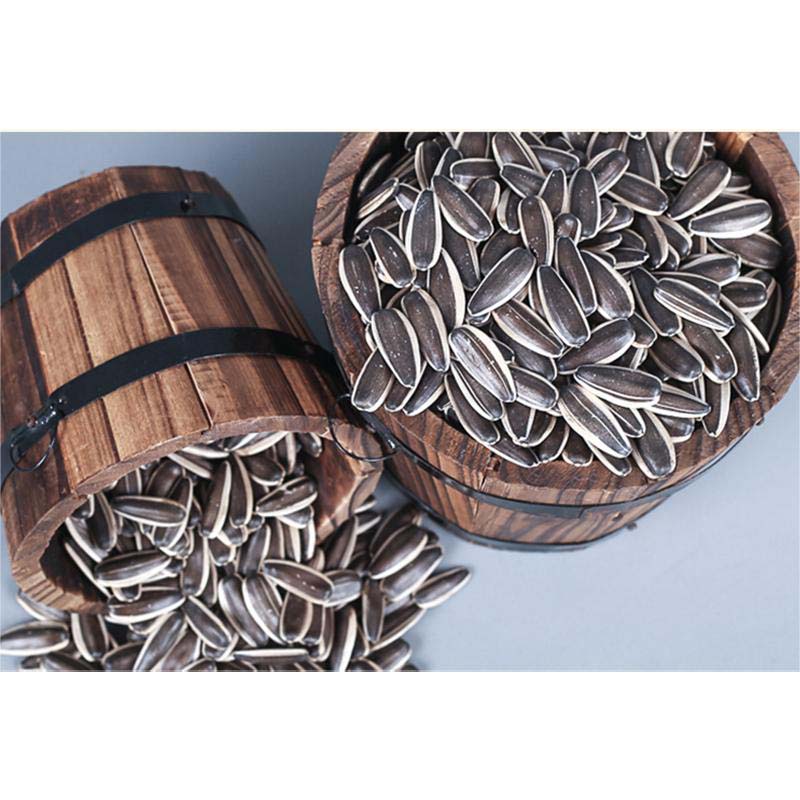
Peach-flavored sunflower seeds represent a significant segment within the broader snack food industry, distinguished by their flavoring process applied to the kernel of Helianthus annuus. This guide details the technical considerations surrounding their production, focusing on quality control, processing parameters, packaging integrity, and shelf-life stability. These seeds are not merely a commodity agricultural product; they undergo a complex manufacturing sequence – from seed selection and cleaning, through roasting, flavoring application, and finally, packaging – requiring stringent adherence to food safety standards and a detailed understanding of seed composition. The core performance characteristics center on flavor adhesion, moisture content, seed integrity (minimizing broken kernels), and the prevention of rancidity. The industry faces challenges in maintaining consistent flavor profiles, ensuring regulatory compliance (particularly regarding food-grade additives), and mitigating risks associated with aflatoxin contamination. This technical guide will analyze each stage of production to optimize these key performance areas.
Material Science & Manufacturing
The primary raw material, sunflower seeds, exhibits variability in oil content (36-58% depending on variety), protein content (20-25%), and moisture levels. Seed selection prioritizes varieties with higher oleic acid content for improved oxidative stability. The manufacturing process begins with cleaning to remove foreign materials (stalks, leaves, stones). This is typically achieved using a combination of screens, aspirators, and destoners. Roasting is a critical step, typically conducted at 120-160°C for 15-30 minutes. Roasting reduces moisture content (to approximately 3-5%) and develops the characteristic sunflower seed flavor. Precise temperature and time control are crucial to prevent scorching and maintain seed texture. The flavoring process is typically achieved through tumbling the roasted seeds with a peach flavoring compound, which consists of sugar, artificial or natural peach flavorings, citric acid (for tartness and preservation), and a carrier agent (e.g., maltodextrin). Flavor adhesion is optimized by applying a light coating of vegetable oil or a food-grade adhesive before flavoring. Packaging utilizes multi-layer films offering barrier properties against oxygen, moisture, and light to preserve flavor and prevent rancidity. Quality control at each stage involves monitoring moisture content (using a moisture analyzer), oil content (using Soxhlet extraction), and flavor application uniformity (visual inspection and sensory evaluation). Parameter control during roasting – temperature ramp rate, hold time, and airflow – directly impact seed texture and flavor development. Failure to control these parameters can lead to unevenly roasted seeds and suboptimal flavor adhesion.
Performance & Engineering
Performance is assessed across several engineering domains. The mechanical strength of the seed itself (resistance to cracking during processing and handling) is crucial, directly related to seed variety and moisture content. Force analysis of the tumbling process during flavoring application determines the optimal drum speed and angle to ensure even coating without causing excessive kernel breakage. The barrier properties of the packaging material – Oxygen Transmission Rate (OTR) and Water Vapor Transmission Rate (WVTR) – are critical for maintaining product quality. OTR must be minimized to prevent oxidative rancidity of the seed oil. WVTR must be controlled to maintain desired moisture content. The flavoring compound's stability under varying temperature and humidity conditions is also an important performance parameter. Compliance with food safety regulations (FDA, EFSA) necessitates stringent control of aflatoxin levels. Aflatoxins are mycotoxins produced by Aspergillus fungi, which can contaminate sunflower seeds during growth and storage. Engineering controls include sourcing seeds from reputable suppliers with robust aflatoxin mitigation programs and implementing rigorous testing protocols throughout the supply chain. Furthermore, the manufacturing facility’s design must adhere to Good Manufacturing Practices (GMP) to minimize contamination risks. Shelf-life studies, conducted under accelerated aging conditions (elevated temperature and humidity), are essential for determining product expiry dates based on sensory and chemical degradation parameters.
Technical Specifications
| Parameter | Unit | Specification | Test Method |
|---|---|---|---|
| Moisture Content | % w/w | 3.0 – 5.0 | AOAC 925.10 |
| Oil Content | % w/w | 40 – 55 | Soxhlet Extraction (AOAC 920.39) |
| Peach Flavor Adhesion | Visual Scale (1-5) | ≥ 4 (Uniform Coverage) | Sensory Evaluation |
| Aflatoxin B1 | ppb | ≤ 20 | HPLC-Fluorescence (AOAC 991.31) |
| Peroxide Value (PV) | meq O2/kg | ≤ 10 | AOCS Cd 8-53 |
| Oxygen Transmission Rate (OTR) | cc/m2/day | ≤ 5 | ASTM D3985 |
Failure Mode & Maintenance
Common failure modes include rancidity (oxidative degradation of oils), flavor loss (due to diffusion through packaging or volatilization), seed breakage (during processing or handling), and aflatoxin contamination. Rancidity is accelerated by high temperature, oxygen exposure, and high moisture content. Flavor loss is mitigated by using high-barrier packaging materials and optimizing storage conditions. Seed breakage can be minimized by controlling processing parameters (roasting temperature, tumbling speed) and ensuring proper seed handling procedures. Aflatoxin contamination requires preventative measures throughout the supply chain, including sourcing from reputable suppliers and implementing rigorous testing protocols. Maintenance of processing equipment – roasters, flavor tumblers, packaging machines – is critical for preventing mechanical failures and maintaining consistent product quality. This includes regular cleaning, lubrication, and inspection of critical components. Roasters require temperature calibration and burner maintenance. Flavor tumblers necessitate drum inspection and motor maintenance. Packaging machines require seal integrity checks and cutting blade replacement. Preventive maintenance schedules, based on manufacturer recommendations and operational experience, should be implemented to minimize downtime and ensure consistent product output. Regular monitoring of critical process parameters (temperature, humidity, OTR, WVTR) is essential for identifying potential issues before they lead to product failures.
Industry FAQ
Q: What are the key factors influencing the shelf-life of peach-flavored sunflower seeds?
A: Shelf-life is primarily influenced by moisture content, oil content, oxygen exposure, and packaging integrity. High moisture content promotes microbial growth and accelerates rancidity. Exposure to oxygen leads to oxidative degradation of the oil. Inadequate packaging allows for ingress of oxygen and moisture. Controlling these factors through optimized processing, packaging, and storage conditions is critical for maximizing shelf-life.
Q: How do you ensure consistent flavor adhesion during the flavoring process?
A: Consistent flavor adhesion is achieved through precise control of several parameters: ensuring the seeds are uniformly roasted and adequately dried, applying a light coating of vegetable oil or adhesive before flavoring, optimizing the tumbling speed and angle, and monitoring the flavor compound's concentration and viscosity. Regular sensory evaluation is also crucial for verifying flavor uniformity.
Q: What are the regulatory requirements regarding aflatoxin levels in sunflower seeds?
A: Regulatory requirements vary by country. In the United States, the FDA sets a maximum limit of 20 ppb for aflatoxin B1 in sunflower seeds. In the European Union, the maximum limit is also 20 ppb. Compliance requires rigorous testing throughout the supply chain and implementation of preventative measures to minimize aflatoxin contamination.
Q: How does seed variety impact the final product quality?
A: Seed variety significantly impacts oil content, protein content, and seed size. Varieties with higher oleic acid content are preferred for improved oxidative stability. Seed size influences the roasting process and flavor adhesion. Selecting appropriate seed varieties based on desired product characteristics is crucial for maintaining consistent quality.
Q: What types of packaging materials are most suitable for peach-flavored sunflower seeds?
A: Multi-layer films incorporating aluminum foil, metallized polyester, or high-barrier polymers are most suitable. These materials provide excellent barrier properties against oxygen, moisture, and light, protecting the product from rancidity and flavor degradation. The specific film structure should be selected based on desired shelf-life and cost considerations.
Conclusion
The production of high-quality peach-flavored sunflower seeds demands a comprehensive understanding of material science, processing parameters, and quality control principles. Optimizing each stage – from seed selection and roasting to flavoring and packaging – is critical for achieving desired flavor profiles, ensuring shelf-life stability, and maintaining regulatory compliance. Precise control of moisture content, oil content, and flavor adhesion, combined with rigorous testing for aflatoxins, are paramount.
Future advancements may focus on developing novel flavoring technologies, enhancing packaging materials with improved barrier properties, and implementing real-time monitoring systems to optimize process control. The integration of data analytics and machine learning could enable predictive maintenance of equipment and proactive identification of potential quality issues. Continued research into seed varieties with enhanced oleic acid content and improved resistance to aflatoxin contamination will further contribute to the production of superior peach-flavored sunflower seeds.
