Introduction
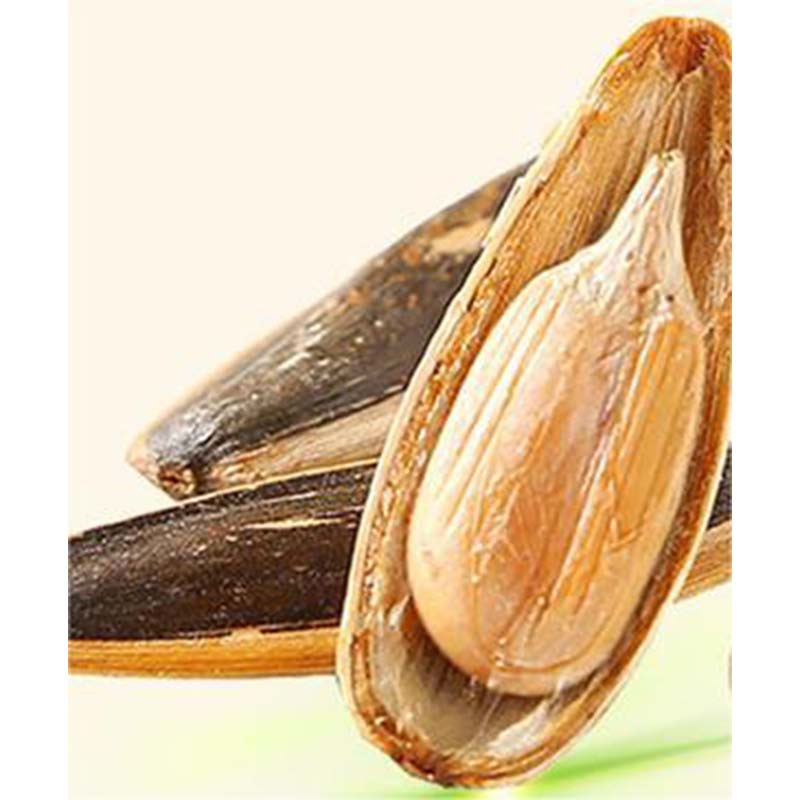
Peach flavor sunflower seeds represent a significant segment within the broader sunflower seed processing industry, characterized by the application of flavoring technologies to a base agricultural product. These factories operate at the intersection of agricultural commodity processing, food science, and packaging technology. The industry’s technical position involves multiple stages, beginning with the selection and sourcing of high-quality sunflower seeds, progressing through cleaning, dehulling, roasting, flavoring application, and ultimately, packaging for retail or wholesale distribution. Core performance metrics center around flavor adhesion, seed integrity (minimizing breakage during processing), moisture content control to ensure shelf life, and adherence to stringent food safety regulations. A key industry pain point is maintaining consistent flavor profiles across large batches while minimizing sugar/flavorant wastage and addressing the growing consumer demand for healthier snack options, driving research into natural flavoring alternatives and reduced-sugar formulations. The quality of the seeds, precise control of roasting temperatures, and the even distribution of peach flavoring are critical determinants of product acceptance.
Material Science & Manufacturing
The primary raw material is the sunflower seed (Helianthus annuus), specifically cultivars with a high oil content and appropriate kernel size for processing. The kernel’s composition consists primarily of oil (40-50%), protein (20-25%), carbohydrates (15-20%), and fiber. Material properties relevant to processing include kernel hardness, moisture content (typically 8-12% initially), and oil absorption capacity. Peach flavoring is typically a complex blend of natural and/or artificial flavor compounds, carriers (e.g., maltodextrin, gum arabic), and often, sweeteners like sucrose, glucose syrup, or alternative sweeteners. The manufacturing process begins with cleaning and foreign material removal. Dehulling is a critical step, employing impact or abrasive methods. Kernels are then roasted, a process meticulously controlled for temperature (140-180°C) and duration (15-30 minutes) to develop flavor and reduce moisture content. Roasting parameters directly impact oil oxidation and acrylamide formation – a key safety concern. Flavoring is applied through drum coating or spray coating, requiring precise control of solution viscosity, spray droplet size, and drum rotation speed for uniform coverage. Post-coating drying reduces moisture content to prevent clumping and microbial growth. Packaging utilizes materials like polypropylene (PP) or polyethylene terephthalate (PET) films, chosen for barrier properties (moisture, oxygen) and printability. Parameter control focuses on roasting temperature uniformity, flavor solution concentration, coating thickness, and packaging seal integrity.
Performance & Engineering
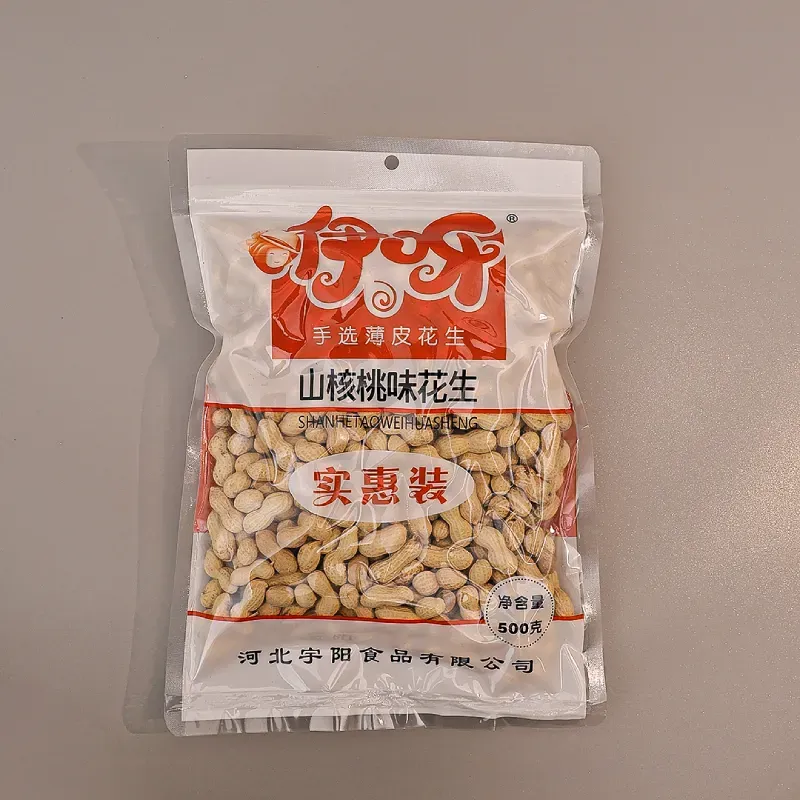
Performance analysis of peach flavored sunflower seeds hinges on several key engineering principles. Force analysis during dehulling and roasting must minimize kernel breakage – impact forces are carefully calibrated to avoid exceeding the kernel’s fracture strength. Environmental resistance concerns relate primarily to moisture uptake and oxidation. Packaging must provide an adequate barrier to prevent the seeds from becoming rancid (oxidative degradation of oils) or absorbing moisture, leading to clumping and reduced crispness. Moisture vapor transmission rate (MVTR) of the packaging film is therefore a critical parameter. Compliance requirements are dictated by food safety regulations, including those pertaining to allowable levels of acrylamide, pesticide residues, and heavy metals. The distribution of peach flavoring must be statistically uniform to ensure consistent taste experience. This is often evaluated using image analysis of coated seeds. Flavor adhesion strength is assessed through abrasion testing – quantifying the force required to remove the coating. Shelf-life studies, conducted under accelerated aging conditions (elevated temperature and humidity), are essential to predict product stability and determine best-before dates. Furthermore, packaging design must account for handling stresses during transport and storage, minimizing the risk of damage and ensuring product integrity.
Technical Specifications
| Parameter | Unit | Specification | Test Method |
|---|---|---|---|
| Moisture Content | % | ≤ 5.0 | Oven Drying (AOAC) |
| Oil Content | % | ≥ 48.0 | Soxhlet Extraction (AOCS) |
| Kernel Breakage | % | ≤ 3.0 | Sieve Analysis |
| Peach Flavor Intensity | ppm | 1500-2000 | Gas Chromatography-Mass Spectrometry (GC-MS) |
| MVTR (Packaging Film) | g/m²/24h | ≤ 3.0 | ASTM D3985 |
| Acrylamide Content | µg/kg | ≤ 100 | Liquid Chromatography-Mass Spectrometry (LC-MS/MS) |
Failure Mode & Maintenance
Common failure modes in peach flavored sunflower seeds include rancidity due to lipid oxidation (resulting in off-flavors), flavor degradation over time (loss of peach aroma and taste), clumping due to moisture absorption, and kernel breakage during handling. Rancidity is accelerated by exposure to oxygen, light, and elevated temperatures; packaging barrier properties are therefore critical. Flavor degradation can occur through volatilization of flavor compounds or chemical reactions with other components. Clumping is a direct result of inadequate moisture control, both during processing and in storage. Kernel breakage reduces product appeal and creates dust. Maintenance strategies center around preventative measures. Roasting equipment must be regularly cleaned to prevent buildup of residue and ensure temperature uniformity. Flavor application systems require periodic calibration to maintain consistent coating thickness. Packaging lines should be inspected for seal integrity and proper operation of filling and sealing equipment. Storage facilities must be maintained at cool, dry conditions to minimize oxidation and moisture uptake. Regular quality control testing, including sensory evaluation, moisture content analysis, and oil analysis, is essential for early detection of potential problems. Implementing a robust traceability system allows for quick identification and isolation of defective batches. Preventative maintenance schedules for all processing equipment are crucial to minimizing downtime and ensuring consistent product quality.
Industry FAQ
Q: What is the impact of sunflower seed variety on the final flavor profile and processing yield?
A: Different sunflower seed varieties exhibit variations in oil content, kernel size, and hulling characteristics. Higher oil content generally leads to a richer flavor and improved mouthfeel. Kernel size influences the efficiency of dehulling and the uniformity of coating application. Choosing a variety specifically bred for confectionery use will typically result in higher processing yields and a more consistent product.
Q: How do you control acrylamide formation during the roasting process?
A: Acrylamide formation is primarily influenced by roasting temperature and time. Lower roasting temperatures and shorter roasting durations minimize acrylamide formation. We utilize temperature control systems with precise feedback mechanisms, regularly monitor acrylamide levels in the finished product, and employ additives (as permitted by regulations) that inhibit acrylamide formation.
Q: What are the key considerations for selecting packaging materials to maximize shelf life?
A: The primary considerations are barrier properties – specifically, resistance to moisture and oxygen. We prioritize films with low MVTR and oxygen transmission rates (OTR). Material thickness and the inclusion of barrier layers (e.g., aluminum foil, EVOH) are also important factors. The packaging material must also be food-grade and compliant with relevant regulations.
Q: What quality control measures are in place to ensure consistent flavor adhesion?
A: We employ a multi-faceted quality control approach. This includes monitoring the viscosity and solids content of the flavor solution, controlling the spray rate and drum rotation speed during coating, and conducting adhesion testing on representative samples. Sensory evaluation panels also assess flavor intensity and uniformity.
Q: What are the current trends in peach flavor sunflower seed production concerning ‘healthier’ formulations?
A: The trend is towards reduced-sugar formulations and the use of natural flavoring alternatives. We are actively researching and implementing alternative sweeteners (e.g., stevia, erythritol) and sourcing natural peach flavor extracts. We are also exploring options for reducing oil content through processing optimization and the use of novel seed varieties.
Conclusion
The manufacturing of peach flavored sunflower seeds requires a sophisticated understanding of material science, food processing engineering, and quality control principles. Maintaining consistent flavor profiles, minimizing defects, and ensuring adherence to stringent food safety regulations are paramount. Optimizing roasting parameters to minimize acrylamide formation, selecting appropriate packaging materials to extend shelf life, and implementing robust preventative maintenance programs are crucial for success.
Future trends in the industry will likely focus on developing healthier formulations, utilizing sustainable packaging materials, and employing advanced process control technologies to further enhance product quality and efficiency. Continued research into novel flavoring techniques and seed varieties will also be essential for maintaining a competitive edge in the evolving snack food market.
