Introduction
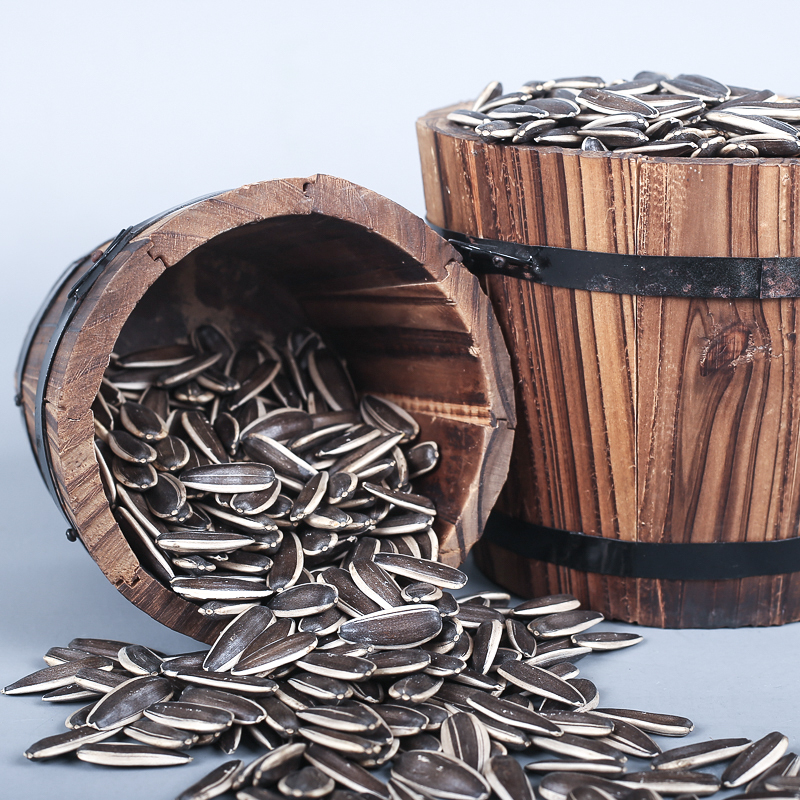
Peach flavored sunflower seeds represent a significant niche within the broader sunflower seed export market. These seeds are not simply a commodity; they are a processed snack food demanding stringent quality control, precise flavoring application, and consistent kernel integrity. The technical positioning within the food industry chain places them between agricultural production of sunflower kernels and the final retail consumer product. Core performance characteristics defining market acceptability revolve around flavor adhesion, seed moisture content, kernel damage percentage, and overall sensory experience – specifically, the balance between sweetness, peach aroma, and the inherent sunflower seed flavor. The export sector faces challenges relating to maintaining freshness during extended transit, managing variations in kernel size impacting flavor coating, and adhering to diverse import regulations regarding food additives and permissible flavoring compounds. This guide provides a detailed technical overview for exporters, addressing material science, manufacturing, performance criteria, potential failure modes, and relevant industry standards.
Material Science & Manufacturing
The foundational material is, of course, the sunflower kernel itself. Kernel quality is paramount, directly impacting the final product. Key properties include oil content (typically 38-55% by weight), protein content (20-25%), moisture content (ideally between 7-9% for optimal processing and shelf life), and kernel size distribution. Larger, consistent kernel sizes lead to more uniform flavor coating application. The shell is largely cellulose and lignin, discarded during processing. Flavoring application involves several stages. First, a binding agent—typically a food-grade gum arabic solution or modified starch—is applied to partially adhere the flavoring. The peach flavoring itself consists of a complex blend of natural and/or artificial flavor compounds, typically including ethyl butyrate, hexyl acetate, and other esters responsible for the characteristic peach aroma and taste. Sugar (sucrose or glucose syrup) is added for sweetness and to further enhance adhesion. Manufacturing processes involve kernel cleaning, grading (based on size and density), roasting (controlled temperature and time to achieve desired crispness and flavor development), flavor coating (spray application followed by tumbling for even distribution), and finally, packaging in moisture-barrier films. Critical parameters during roasting include temperature (140-160°C typically) and duration (15-25 minutes), with precise control necessary to avoid scorching or under-roasting. Flavor coating requires careful control of solution viscosity, spray nozzle pressure, and tumbling speed to ensure even coverage without clumping or cracking of the coating.
Performance & Engineering
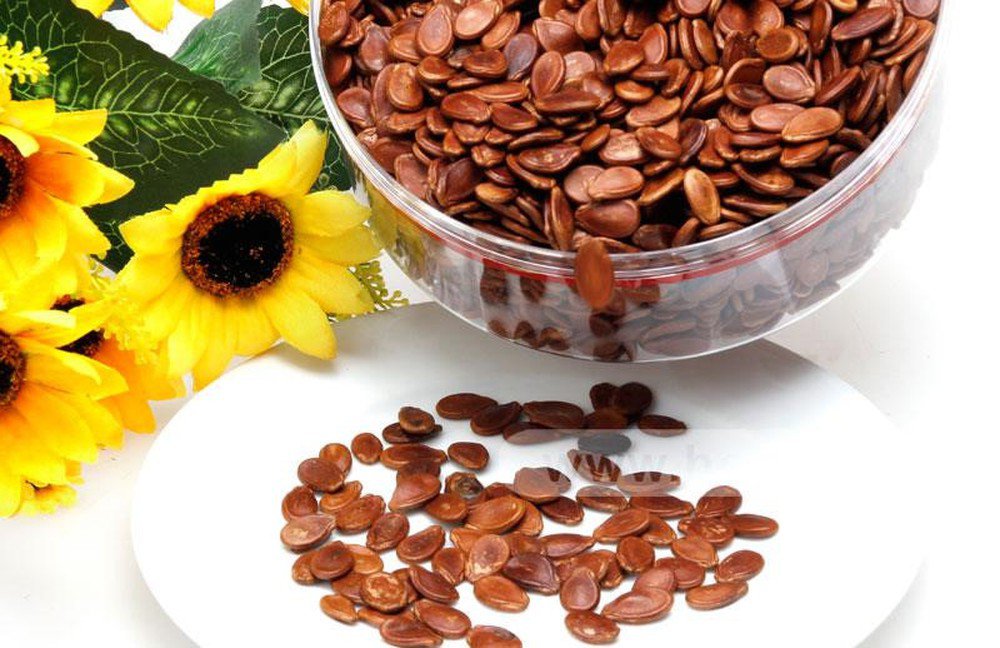
Performance criteria extend beyond simply taste. Flavor adhesion strength is critical; seeds must maintain a consistent flavor coating throughout distribution and handling. This is assessed using a shear force test, measuring the force required to remove the coating. Mechanical strength of the coated seed is also vital; seeds must withstand handling and transportation without significant cracking or breakage. Drop tests and compression tests are used to evaluate this. Environmental resistance, specifically moisture sensitivity, is a major concern. High humidity can lead to softening of the coating, flavor loss, and potential microbial growth. Packaging plays a crucial role here, employing materials with low oxygen transmission rate (OTR) and water vapor transmission rate (WVTR). Compliance requirements vary by importing country. Regulations dictate permissible flavoring compounds, maximum levels of contaminants (heavy metals, pesticides), and labeling requirements. A key engineering consideration is the optimization of the coating process to minimize waste and maximize flavor uniformity. Computational fluid dynamics (CFD) modeling can be used to simulate the spray coating process and identify areas for improvement. The selection of appropriate coating equipment – drum coaters versus fluidized bed coaters – depends on production volume and desired coating uniformity. Force analysis during handling and packaging must account for impact forces to minimize kernel damage.
Technical Specifications
| Parameter | Unit | Typical Value | Acceptable Range |
|---|---|---|---|
| Kernel Moisture Content | % | 8.0 | 7.0 – 9.0 |
| Flavor Coating Weight Gain | % | 6.0 | 5.0 – 7.0 |
| Kernel Damage (Broken/Split) | % | 2.0 | ≤ 3.0 |
| Peach Flavor Intensity (Sensory Panel) | Score (1-10) | 7.5 | 6.5 – 8.5 |
| Water Vapor Transmission Rate (Packaging) | g/m²/day | < 3.0 | < 5.0 |
| Oil Content (Kernel) | % | 45 | 40-50 |
Failure Mode & Maintenance
Failure modes in peach flavored sunflower seeds are diverse. Coating delamination is a common issue, caused by inadequate adhesion, high humidity exposure, or physical abrasion during handling. Flavor degradation occurs over time due to oxidation of flavor compounds and loss of volatile aromatics. Rancidity, resulting from lipid oxidation in the sunflower kernels, is another significant concern. Kernel cracking and breakage reduce product appeal and create dust. Microbial growth, although less common with proper processing and packaging, can occur in high-moisture environments, leading to spoilage. Preventive maintenance focuses on controlling moisture levels throughout the process – from kernel storage to packaging. Optimizing roasting parameters to minimize lipid oxidation is crucial. Using antioxidant additives (within regulatory limits) can extend shelf life. Proper packaging selection, with high barrier properties, is essential. Regular quality control checks, including moisture content analysis, flavor intensity assessment, and microbial testing, are vital. Storage recommendations for exporters should emphasize cool, dry conditions and protection from direct sunlight. Maintaining equipment hygiene, particularly in the coating and packaging areas, is critical to prevent microbial contamination. Root cause analysis of coating failures should focus on identifying deficiencies in the coating process or raw material quality.
Industry FAQ
Q: What is the impact of kernel size variation on flavor coating uniformity?
A: Significant kernel size variation leads to uneven flavor coating application. Smaller kernels receive proportionally more coating, potentially resulting in an overly sweet or intensely flavored product, while larger kernels may be under-coated. This necessitates careful kernel grading before the coating process, aiming for a narrow size distribution. Modern optical sorting technology can effectively remove out-of-spec kernels.
Q: How do different packaging materials affect the shelf life of peach flavored sunflower seeds?
A: Packaging materials with high OTR and WVTR significantly reduce shelf life. Multi-layer films incorporating aluminum foil or metallized polyester provide the best barrier properties. Modified atmosphere packaging (MAP), using nitrogen flushing to reduce oxygen levels, can further extend shelf life by inhibiting oxidation and microbial growth.
Q: What are the key regulatory considerations for exporting to the European Union?
A: The EU has strict regulations regarding food additives, flavoring compounds, and contaminant levels. All flavorings must be approved under Regulation (EC) No 1334/2008. Maximum levels for heavy metals (lead, cadmium) and pesticides are also defined. Traceability is critical, requiring detailed records of ingredient sourcing and processing. Labeling requirements are extensive and must be in the language of the destination country.
Q: What is the optimal roasting profile for maximizing flavor development and minimizing rancidity?
A: The optimal roasting profile involves a gradual temperature increase, typically starting at 120°C and rising to 160°C over 15-20 minutes. Rapid temperature increases can cause scorching and uneven roasting. Monitoring kernel color and moisture content during roasting is crucial. Adding antioxidants, such as tocopherols (Vitamin E), to the kernels before roasting can help mitigate rancidity.
Q: How can we quantitatively assess the adhesion strength of the peach flavoring to the sunflower seed?
A: Adhesion strength can be assessed using a shear force test. This involves mounting a coated seed on a fixture and applying a controlled force parallel to the seed surface until the coating detaches. The peak force required for detachment is measured in Newtons or pounds-force, providing a quantitative measure of adhesion strength. Surface preparation and consistent testing protocols are vital for obtaining reliable results.
Conclusion
The successful export of peach flavored sunflower seeds hinges on a deep understanding of the interplay between material science, precise manufacturing control, and stringent quality assurance. Maintaining optimal kernel moisture content, achieving uniform flavor coating adhesion, and employing effective barrier packaging are critical for preserving product freshness and meeting international regulatory standards. A proactive approach to failure mode analysis and preventative maintenance is essential for minimizing losses and ensuring consistent product quality.
Future advancements in flavor encapsulation technologies and sustainable packaging materials offer opportunities to enhance product performance and reduce environmental impact. Continuous monitoring of evolving import regulations and consumer preferences will be crucial for maintaining a competitive edge in the global market. Investment in advanced analytical techniques for assessing flavor stability and shelf life will further optimize production processes and product quality.
