
Introduction
Peach-flavored sunflower seeds represent a significant segment within the global snack food market, specifically targeting consumers seeking flavored and convenient nutritional options. These seeds, derived from the Helianthus annuus plant, undergo a series of processing stages including dehulling, drying, flavoring, and packaging. Their technical position within the food industry chain lies between agricultural commodity processing and finished consumer packaged goods. Core performance characteristics center around flavor profile consistency, seed integrity (minimizing broken kernels), moisture content control for shelf-life stability, and adherence to food safety regulations. The industry faces challenges regarding maintaining flavor adhesion during distribution, preventing rancidity due to lipid oxidation, and competing with other flavored snack alternatives. Achieving consistent quality and traceability is paramount for export markets, particularly regarding allergen control and country-specific import requirements. This guide provides an in-depth technical overview of peach-flavored sunflower seed production, encompassing material science, manufacturing processes, quality control, potential failure modes, and relevant industry standards.
Material Science & Manufacturing
The primary raw material, sunflower kernels, exhibits a complex chemical composition. Approximately 35-50% is oil, primarily linoleic acid (a polyunsaturated omega-6 fatty acid), oleic acid (a monounsaturated omega-9 fatty acid), and palmitic acid (a saturated fatty acid). Proteins constitute around 20-25%, with carbohydrates at 15-20% and fiber around 5-10%. The hull, composed largely of cellulose and lignin, is removed through dehulling. Moisture content, crucial for processing and shelf life, is typically reduced to 7-9% during drying. Peach flavoring is typically applied via a dry coating process. This involves spraying a solution containing peach flavoring compounds (often a blend of natural and artificial flavorings, citric acid for tartness, and potentially food coloring) onto the seeds while they are tumbling in a rotating drum. Critical parameters include the spray rate, drum speed, and air temperature. The coating must adhere uniformly without causing excessive clumping. Maintaining uniform particle size of the flavoring is critical for adhesion. Packaging commonly utilizes multi-layer films composed of polyethylene terephthalate (PET), aluminum foil (for barrier properties against oxygen and moisture), and polyethylene (PE) for sealing. Key manufacturing process controls include kernel selection based on size and density (affecting oil content and roasting uniformity), roasting temperature and duration (influencing flavor development and enzyme inactivation), cooling rate (preventing condensation and clumping), and precise control of the flavoring application parameters. Lipid oxidation is a significant concern; therefore, the use of antioxidants, such as BHA or BHT (within legal limits), is often incorporated during or after the roasting process.
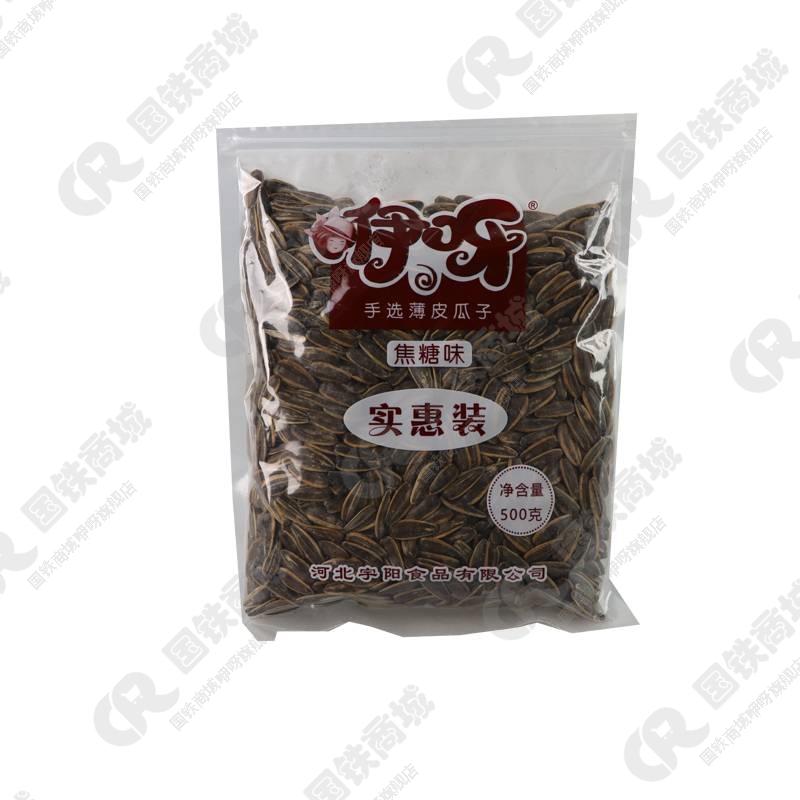
Performance & Engineering
Performance assessment of peach-flavored sunflower seeds centers around several key areas. Firstly, sensory evaluation is paramount, focusing on flavor intensity, authenticity of the peach flavor profile, and absence of off-flavors (rancidity, bitterness). This is often conducted using trained sensory panels. Secondly, mechanical properties are crucial. Kernel breakage during handling and transportation must be minimized. This is assessed by measuring the force required to crack kernels and quantifying the percentage of broken kernels after simulated transport conditions (vibration, impact). Thirdly, shelf-life stability is a critical engineering parameter. Accelerated shelf-life testing, involving storage at elevated temperatures and humidity levels, is used to predict rancidity development (measured by peroxide value and free fatty acid content) and flavor degradation. Packaging engineering plays a vital role in maintaining barrier properties (oxygen transmission rate - OTR, water vapor transmission rate - WVTR) to prevent oxidative degradation. Compliance requirements vary by export market. The US FDA requires adherence to Good Manufacturing Practices (GMPs) and proper labeling of allergens and nutritional information. EU regulations emphasize traceability and control of contaminants (heavy metals, pesticides). Maintaining a low water activity (aw < 0.6) is critical for inhibiting microbial growth and enzymatic activity, contributing to extended shelf life. Surface coating integrity is analyzed using microscopy to confirm uniform flavor distribution and adhesion.
Technical Specifications
| Parameter | Specification | Test Method | Typical Units |
|---|---|---|---|
| Moisture Content | 7.0 – 9.0% | AOAC 925.10 | % w/w |
| Oil Content | 38 – 52% | Soxhlet Extraction (AOAC 920.39) | % w/w |
| Broken Kernels | < 3.0% | Visual Inspection & Sieve Analysis | % by weight |
| Peach Flavor Intensity | 80 – 120 ppm (Peach Aldehydes) | Gas Chromatography-Mass Spectrometry (GC-MS) | ppm |
| Peroxide Value (PV) | < 5.0 meq O2/kg | AOCS Cd 8-53 | meq O2/kg |
| Water Vapor Transmission Rate (WVTR) - Packaging | < 5 g/m²/24h | ASTM E96 | g/m²/24h |
Failure Mode & Maintenance
Common failure modes in peach-flavored sunflower seeds include rancidity (caused by lipid oxidation), flavor fading (loss of peach aroma and taste due to volatile compound evaporation or degradation), coating delamination (loss of flavor adhesion), and kernel cracking (physical damage during handling). Rancidity is accelerated by exposure to oxygen, light, and elevated temperatures. Flavor fading is exacerbated by inadequate packaging barrier properties. Coating delamination can result from insufficient adhesion due to improper application parameters or incompatibility between the coating and the kernel surface. Kernel cracking is often linked to mishandling during harvesting, processing, or transportation. Maintenance strategies focus on preventative measures. Proper storage conditions – cool, dry, dark – are crucial for minimizing oxidation and flavor loss. Regular monitoring of peroxide value and sensory attributes provides early detection of rancidity. Implementing a robust quality control system throughout the manufacturing process, including thorough inspection of raw materials and in-process checks, helps minimize defects. Utilizing packaging materials with high barrier properties (OTR and WVTR) is essential for preserving product quality. Regular equipment maintenance, particularly for coating applicators and packaging machinery, ensures consistent performance. Implementing a First-In, First-Out (FIFO) inventory management system minimizes storage duration and reduces the risk of deterioration.
Industry FAQ
Q: What is the primary cause of off-flavors developing in peach-flavored sunflower seeds after extended storage?
A: The primary cause of off-flavors is typically lipid oxidation, leading to rancidity. Unsaturated fatty acids in the sunflower kernels react with oxygen, producing volatile compounds that contribute to undesirable tastes and odors. This is accelerated by exposure to air, light, heat, and moisture. Proper packaging with low oxygen permeability and storage in cool, dark conditions are essential to mitigate this issue.
Q: How is the adhesion of the peach flavoring to the sunflower kernels evaluated?
A: Adhesion is evaluated through a combination of visual inspection, laboratory abrasion tests, and microscopy. Visual inspection assesses the uniformity of the coating. Abrasion tests measure the force required to remove the coating. Microscopy allows for detailed examination of the coating’s microstructure and its interface with the kernel surface.
Q: What are the critical control points in the manufacturing process to minimize kernel breakage?
A: Critical control points include careful dehulling to avoid damaging the kernels, controlling roasting temperatures and durations to prevent excessive brittleness, optimizing cooling rates to minimize thermal shock, and implementing gentle handling procedures during packaging and transportation. Regular inspection and maintenance of processing equipment are also vital.
Q: What regulatory considerations are most important for exporting peach-flavored sunflower seeds to the European Union?
A: Key regulatory considerations include adherence to EU food safety standards (Regulation (EC) No 178/2002), traceability requirements (Regulation (EC) No 178/2002), maximum residue levels (MRLs) for pesticides, allergen labeling (Regulation (EU) No 1169/2011), and compliance with packaging regulations (Regulation (EC) No 1935/2004). Documentation related to origin, processing, and testing is crucial.
Q: How can we ensure consistent flavor intensity across different production batches?
A: Consistent flavor intensity requires precise control of the flavoring application process, including the concentration of the flavor solution, spray rate, drum speed, and air temperature. Regular calibration of dispensing equipment and monitoring of flavor compound quality are also crucial. Utilizing a standardized flavor blend and conducting sensory evaluations on each batch ensures consistency.
Conclusion
Peach-flavored sunflower seeds represent a complex product requiring careful control throughout the entire production chain, from raw material sourcing to final packaging. The successful production of high-quality seeds hinges on a deep understanding of material science, precise control of manufacturing parameters, and rigorous adherence to quality control standards. Maintaining flavor integrity, minimizing kernel damage, and ensuring long-term shelf life are critical challenges that require a multi-faceted approach, encompassing optimized processing techniques, appropriate packaging solutions, and effective storage conditions.
Future trends in this sector are likely to focus on the development of more sustainable packaging materials, exploration of novel flavor delivery systems, and increased emphasis on traceability and transparency throughout the supply chain. Addressing consumer demand for healthier snack options through reduced sodium content and the incorporation of functional ingredients may also drive innovation. Continuous monitoring of evolving regulatory landscapes and implementation of best practices in food safety will be paramount for long-term success in the global peach-flavored sunflower seed market.
