Introduction
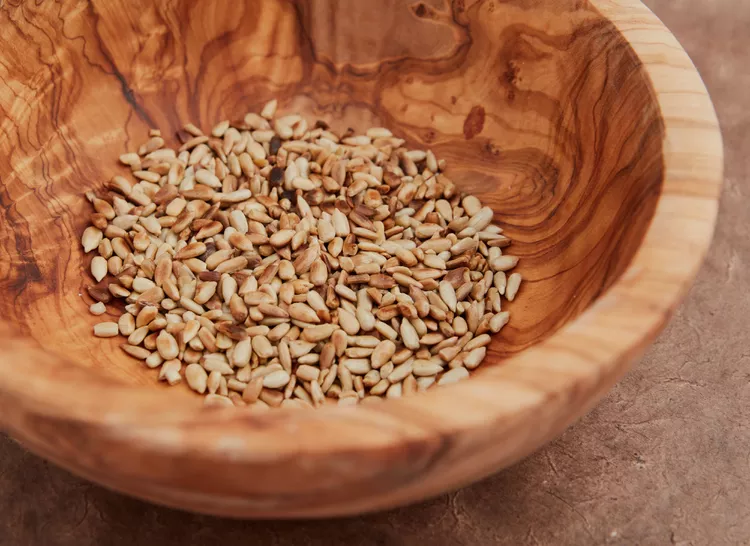
Original flavor sunflower seeds represent a significant segment within the broader snack food industry, experiencing consistent demand due to their perceived health benefits and accessibility. Sunflower seed factories specializing in this original flavor profile operate within a complex supply chain, beginning with agricultural cultivation and culminating in packaged consumer products. The technical position of these facilities is characterized by a critical intersection of agricultural processing, food safety regulations, and packaging technologies. Core performance metrics revolve around seed quality (oil content, protein levels, absence of foreign material), processing efficiency (kernel yield, breakage rate), and maintaining the characteristic original flavor – a delicate balance achieved through precise roasting and seasoning control. This guide will provide a detailed analysis of the material science, manufacturing processes, performance characteristics, potential failure modes, and industry standards pertinent to original flavor sunflower seed production.
Material Science & Manufacturing
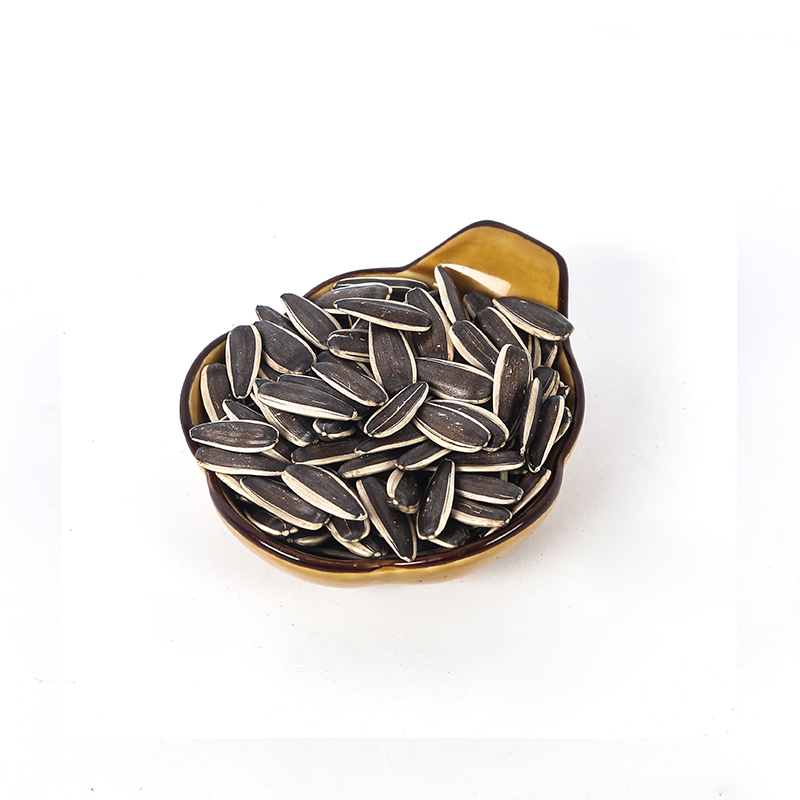
The primary raw material, sunflower seeds ( Helianthus annuus), exhibits significant variability in composition depending on the cultivar and growing conditions. Key physical properties include kernel density (approximately 700-800 kg/m³), moisture content (typically 8-12% upon arrival at the factory), and oil content (38-58% by weight). Chemically, the seeds are rich in linoleic acid (an omega-6 fatty acid), vitamin E, and various proteins. The manufacturing process begins with cleaning and dehulling, removing the outer husk. This is typically performed using mechanical abrasion and air separation. Kernel grading is crucial, separating seeds by size and density to ensure consistent roasting. Roasting is a critical step impacting flavor development. This typically involves hot air ovens operating between 140-160°C for 15-30 minutes, meticulously controlled to achieve the desired level of Maillard reaction products, contributing to the characteristic sunflower seed flavor. Seasoning, in this "original" flavor profile, often involves only salt (NaCl), applied via a tumbling drum. Parameter control is paramount; variations in roasting temperature or time lead to burnt or under-roasted kernels, significantly impacting flavor and shelf life. Moisture control post-roasting is essential to prevent rancidity. Finally, seeds are sorted, weighed, and packaged, typically in multi-layer flexible films designed to provide a moisture and oxygen barrier. Seed quality is assessed through rigorous testing for aflatoxin contamination (a mycotoxin produced by Aspergillus molds) and peroxide value (a measure of lipid oxidation and rancidity).
Performance & Engineering
The performance of sunflower seeds, from a manufacturing perspective, centers around maximizing yield and minimizing defects. Force analysis is relevant in the dehulling process, optimizing impeller design and speed to reduce kernel breakage. Environmental resistance is primarily focused on maintaining flavor stability during storage. Lipid oxidation is the primary degradation pathway, catalyzed by oxygen, light, and temperature. Packaging materials with low Oxygen Transmission Rate (OTR) and Water Vapor Transmission Rate (WVTR) are critical. Compliance requirements are stringent, governed by food safety regulations such as the Food Safety Modernization Act (FSMA) in the US and equivalent regulations in other countries. Functional implementation relies heavily on process control. Roasting profiles must be carefully calibrated based on seed variety and moisture content. Automated sorting systems utilizing optical sensors are employed to remove discolored or damaged kernels. Maintenance of processing equipment is also crucial. Regular cleaning and lubrication of dehulling machinery and roasting ovens are essential to prevent contamination and ensure consistent performance. The engineering challenges involve optimizing energy efficiency in the roasting process and minimizing waste generation from hulling and grading operations.
Technical Specifications
| Parameter | Unit | Specification | Testing Method |
|---|---|---|---|
| Kernel Moisture Content | % (weight) | 8-12 | Oven Drying Method (AACC Method 31-16) |
| Oil Content | % (weight) | 40-55 | Soxhlet Extraction (AACC Method 30-10) |
| Kernel Breakage | % (weight) | <5 | Sieving and Visual Inspection |
| Aflatoxin B1 | ppb | <20 | HPLC-Fluorescence |
| Peroxide Value | meq O2/kg | <10 | Potentiometric Titration (AACC Method 38-20) |
| Salt Content | % (weight) | 1.0 - 1.5 | Argentometric Titration |
Failure Mode & Maintenance
Failure modes in original flavor sunflower seeds encompass both product quality defects and equipment failures. Rancidity, driven by lipid oxidation, is a common issue, manifesting as off-flavors and odors. This is often due to inadequate packaging or improper storage conditions. Kernel breakage during dehulling and grading leads to yield loss and can increase the surface area exposed to oxidation. Aflatoxin contamination represents a serious food safety hazard, stemming from mold growth in the field or during storage. Equipment failures include bearing wear in dehulling machinery, leading to increased vibration and potential damage to kernels. Heating element failures in roasting ovens cause inconsistent roasting profiles. Conveyor belt misalignment results in seed spillage and product contamination. Maintenance solutions involve implementing a robust preventative maintenance schedule for all processing equipment. This includes regular lubrication, bearing replacement, and inspection of belts and sensors. Strict quality control procedures, including raw material testing for aflatoxin and monitoring of roasting parameters, are essential. Proper storage of raw materials and finished products, in cool, dry conditions with appropriate packaging, minimizes rancidity. Regular cleaning of all processing areas prevents mold growth and contamination.
Industry FAQ
Q: What are the critical control points in preventing aflatoxin contamination?
A: The critical control points are primarily at the raw material sourcing stage and during storage. Implementing a supplier qualification program to ensure seeds originate from regions with low aflatoxin prevalence is crucial. Upon arrival, all seed lots must be tested for aflatoxin levels before processing. Proper storage conditions – low humidity, temperature control, and good ventilation – minimize mold growth. Regular cleaning of storage facilities is also vital.
Q: How do you optimize roasting profiles to maximize flavor development while minimizing acrylamide formation?
A: Acrylamide formation is a concern during high-temperature roasting. We optimize roasting profiles by using the lowest effective temperature for the shortest possible duration. Precise temperature control, coupled with monitoring moisture content, is key. Roasting in stages, with controlled cooling periods, can also help reduce acrylamide formation.
Q: What packaging materials are most effective at preventing rancidity in sunflower seeds?
A: Multi-layer flexible films incorporating a metallized barrier layer (aluminum or similar) and a polyethylene inner layer are most effective. The metallized layer provides an excellent oxygen barrier, while the polyethylene layer provides moisture protection. Nitrogen flushing inside the package further reduces oxygen levels, extending shelf life.
Q: What methods are used to detect and remove foreign materials during processing?
A: A combination of methods is employed. Initial cleaning utilizes screens and air separation to remove large debris. Optical sorting systems equipped with cameras and image processing algorithms detect and reject discolored or damaged kernels and foreign materials. Metal detectors are used to identify and remove any metallic contaminants.
Q: What are the typical shelf-life expectations for original flavor sunflower seeds packaged in optimal conditions?
A: Under optimal conditions (sealed in a metallized barrier film, stored in a cool, dry place), original flavor sunflower seeds typically have a shelf life of 9-12 months. However, shelf life can be reduced by exposure to high temperatures, humidity, or direct sunlight. Regular monitoring of peroxide value can help assess product quality during storage.
Conclusion
The production of original flavor sunflower seeds involves a complex interplay of agricultural science, food processing engineering, and rigorous quality control. Maintaining consistent seed quality, optimizing roasting parameters, and employing appropriate packaging technologies are paramount to delivering a safe and palatable product. Effective process control, coupled with adherence to stringent food safety regulations, is crucial for minimizing defects and ensuring consumer satisfaction.
Future advancements in sunflower seed processing will likely focus on improving energy efficiency in roasting operations, developing more sustainable packaging materials, and implementing advanced sensor technologies for real-time quality monitoring. Continued research into seed genetics to enhance oil content, improve kernel size, and increase resistance to aflatoxin contamination will also play a vital role in optimizing the sunflower seed supply chain.
