Introduction
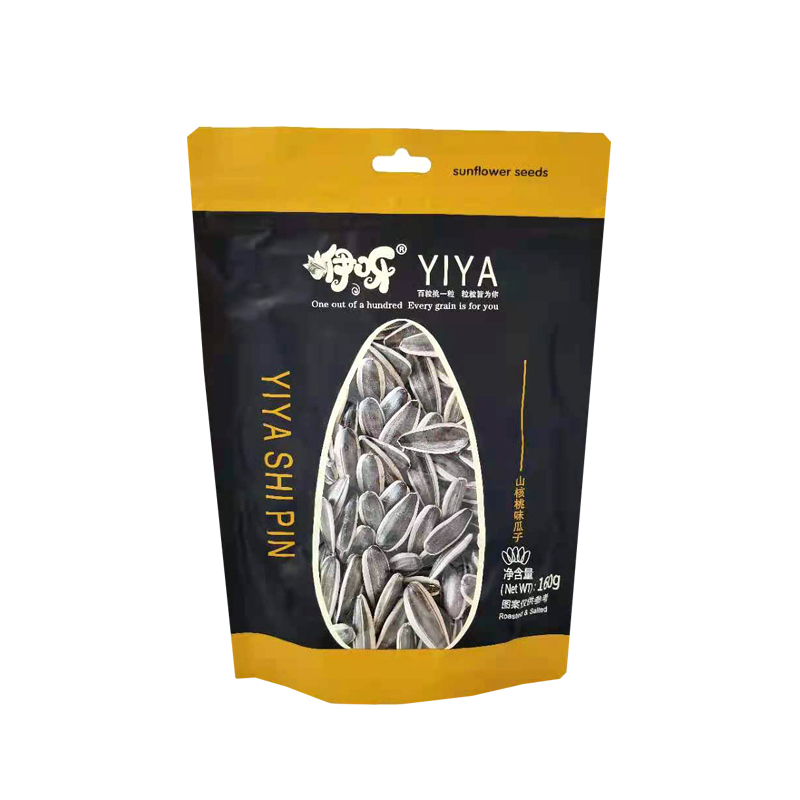
Original flavor sunflower seeds represent a significant commodity within the agricultural export market. These seeds, typically Helianthus annuus, are valued for their nutritional content, palatability, and versatility as both a direct consumer snack and an ingredient in various food products. The export sector demands stringent quality control encompassing seed maturity, oil content, moisture levels, and adherence to phytosanitary regulations. This technical guide provides a comprehensive overview of the material science, manufacturing processes, performance characteristics, failure modes, and relevant international standards governing the export of original flavor sunflower seeds. Addressing the core pain points of exporters – consistent quality, minimizing aflatoxin contamination, efficient shelling and processing, and compliance with diverse import requirements – is critical for sustained market access and profitability. This guide aims to equip exporters with the technical knowledge needed to navigate these challenges successfully.
Material Science & Manufacturing
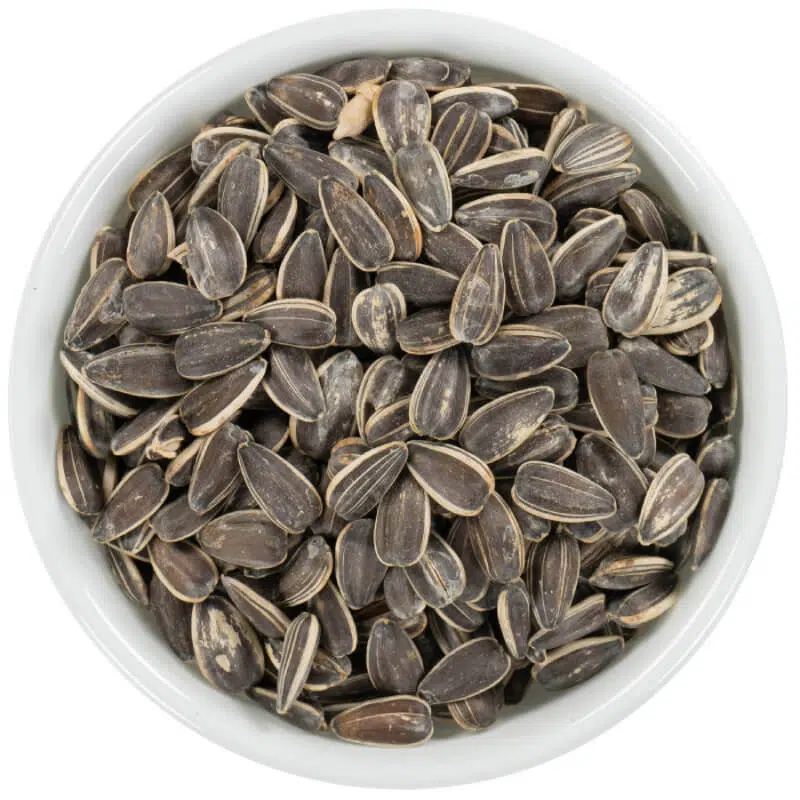
Sunflower seeds are composed primarily of oil (42-58%), protein (18-26%), carbohydrates (15-25%), and fiber (5-10%). The hull, or pericarp, is composed largely of cellulose and lignin, providing structural integrity. Kernel composition varies with cultivar and growing conditions. Manufacturing begins with field cultivation, harvesting, and initial cleaning to remove debris. Key processing steps include dehulling (removing the outer hull), drying to achieve a stable moisture content (typically 8-10%), sizing (separating seeds by size), and optical sorting to eliminate discolored or damaged seeds. Dehulling methods include mechanical cracking and abrasive dehulling. Moisture control is crucial; excessive moisture promotes fungal growth (leading to aflatoxin contamination), while insufficient moisture results in brittle seeds prone to breakage during processing. Parameter control during drying – temperature, airflow, and duration – directly impacts seed quality. Roasting, if performed, introduces Maillard reaction products, impacting flavor and color. Quality raw materials – specifically, cultivar selection geared toward high oil content and low hull percentage – are paramount. Chemical compatibility considerations involve avoiding contact with materials that might leach into the seeds, altering flavor or introducing contaminants.
Performance & Engineering
Performance criteria for exported sunflower seeds revolve around several key areas: nutritional value (oil content, protein content, fatty acid profile), physical integrity (kernel damage, hull percentage), and microbiological safety (aflatoxin levels, bacterial counts). Force analysis during shelling and processing assesses the energy required for efficient dehulling while minimizing kernel damage. Environmental resistance is primarily related to moisture uptake during storage and transport, requiring appropriate packaging to prevent caking and microbial growth. Compliance requirements vary by importing country; regulations address pesticide residues, heavy metal concentrations, and maximum permissible levels of contaminants like aflatoxins. Functional implementation – ensuring a consistent roasting profile (if applicable) and maintaining flavor stability during storage – relies on precise process control and appropriate packaging materials. The mechanical strength of the kernel influences its resistance to cracking during handling and transportation. Aflatoxin control relies on pre-harvest practices (managing fungal infection in the field), post-harvest handling (rapid drying, proper storage), and quality control testing. Packaging engineering focuses on barrier properties to oxygen and moisture, minimizing oxidative rancidity and preserving flavor.
Technical Specifications
| Parameter | Unit | Typical Value (Original Flavor) | Acceptable Range (Export Standard) |
|---|---|---|---|
| Oil Content | % (Dry Weight Basis) | 48% | 45% - 55% |
| Moisture Content | % | 8.5% | 7% - 10% |
| Kernel Damage (%) | % | 2% | < 5% |
| Hull Percentage (%) | % | 5% | < 10% |
| Aflatoxin Level (B1, B2, G1, G2) | ppb | < 2 ppb | < 4 ppb (EU), < 20 ppb (US) |
| Free Fatty Acid (FFA) | % (Oleic Acid Basis) | 0.5% | < 1.0% |
Failure Mode & Maintenance
Common failure modes for exported sunflower seeds include: Aflatoxin Contamination: Primarily due to Aspergillus flavus and Aspergillus parasiticus fungal growth during pre- and post-harvest handling. Prevention requires proper drying, storage, and the use of antifungal treatments (where permitted). Lipid Oxidation (Rancidity): Caused by exposure to oxygen and light, leading to off-flavors and reduced nutritional value. Mitigation involves packaging with oxygen barriers and storage in cool, dark conditions. Mechanical Damage (Cracking/Splitting): Resulting from improper handling during shelling, processing, or transportation. Requires optimized processing parameters and careful packaging. Insect Infestation: Leading to seed loss and potential contamination. Controlled atmosphere storage and preventative insecticide treatments are essential. Moisture Absorption: Causes caking, microbial growth, and rancidity. Requires moisture-proof packaging. Maintenance protocols involve regular monitoring of storage conditions (temperature, humidity), quality control testing (aflatoxin levels, oil quality), and implementing a robust traceability system to identify and address potential issues promptly. Preventative maintenance of shelling and processing equipment minimizes mechanical damage.
Industry FAQ
Q: What are the primary drivers for aflatoxin contamination in sunflower seeds and how can exporters effectively mitigate the risk?
A: Aflatoxin contamination is primarily driven by Aspergillus flavus and Aspergillus parasiticus fungal growth, which thrive in warm, humid conditions and on damaged kernels. Effective mitigation involves selecting drought-tolerant cultivars, minimizing mechanical damage during harvesting and processing, rapid and thorough drying to achieve a moisture content below 10%, proper storage in well-ventilated, pest-controlled facilities, and utilizing pre-harvest and post-harvest fungicides (where legally permissible and aligned with import country regulations). Regular aflatoxin testing is critical throughout the process.
Q: How does seed moisture content impact shelf life and what are best practices for maintaining optimal moisture levels during export?
A: Seed moisture content is a critical factor impacting shelf life. High moisture content promotes fungal growth, lipid oxidation, and insect infestation. Optimal moisture levels are typically between 8-10%. Best practices include rapid drying immediately after harvest, utilizing desiccant packaging to absorb residual moisture, and employing moisture-barrier packaging materials to prevent uptake during transit and storage. Regularly monitoring moisture levels during storage is also essential.
Q: What packaging materials are recommended to preserve freshness and prevent rancidity during long-distance transport?
A: Packaging materials with excellent oxygen and moisture barrier properties are crucial. Multi-layer films incorporating polyethylene (PE), aluminum foil, and polypropylene (PP) are commonly used. Vacuum packaging or modified atmosphere packaging (MAP) with nitrogen flushing can further reduce oxidation. The packaging should also be robust enough to withstand the rigors of handling and transportation.
Q: What are the key differences in import regulations regarding aflatoxin levels between the European Union and the United States?
A: The European Union generally has stricter aflatoxin regulations than the United States. The EU’s maximum permissible level for total aflatoxins (B1, B2, G1, G2) is typically 4 ppb, while the US allows up to 20 ppb. These regulations are subject to change, so exporters must remain updated on the latest requirements for each importing country.
Q: How can exporters demonstrate traceability and ensure compliance with food safety standards throughout the supply chain?
A: Implementing a robust traceability system is essential. This includes detailed record-keeping at each stage of the process – from seed sourcing and cultivation to processing, packaging, and shipment. Utilizing batch coding, QR codes, or blockchain technology can facilitate tracking and verification. Compliance with recognized food safety standards such as ISO 22000 or FSSC 22000 demonstrates commitment to quality and safety and can enhance market access.
Conclusion
The successful export of original flavor sunflower seeds hinges on a comprehensive understanding of the interplay between material science, manufacturing processes, and stringent quality control. Maintaining optimal moisture content, minimizing aflatoxin contamination, and ensuring robust packaging are paramount to preserving product integrity and meeting international regulatory standards. Addressing the specific requirements of each importing country, coupled with a commitment to traceability and food safety protocols, is vital for building a sustainable export business.
Looking forward, advancements in precision agriculture, improved drying technologies, and innovative packaging solutions will continue to play a crucial role in enhancing the quality and safety of exported sunflower seeds. Investing in research and development, adopting best practices, and fostering collaboration within the supply chain will be key to navigating the evolving demands of the global market and maximizing export opportunities.
