Introduction
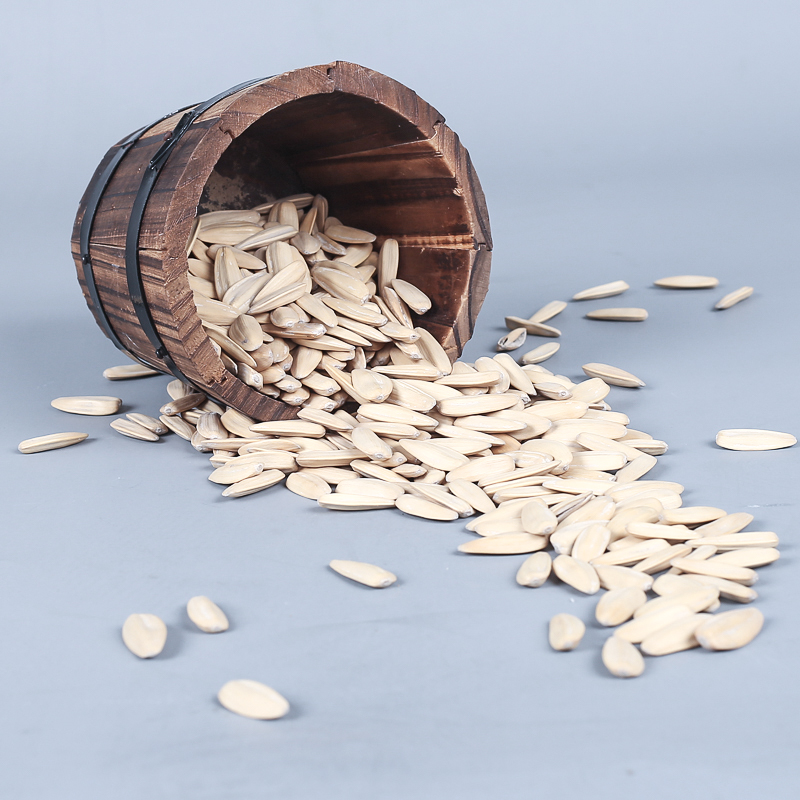
Organic bitter melon ( Momordica charantia) seeds represent a critical component within the agricultural supply chain, serving as the foundational material for commercial cultivation. This technical guide provides an in-depth exploration of the science and engineering principles governing organic bitter melon seed quality, performance, and longevity. The seeds’ value proposition extends beyond simple germination rates; it encompasses genetic purity, biochemical composition, and adherence to stringent organic certification standards. Industry pain points frequently center on seed viability variations stemming from inconsistent post-harvest handling, susceptibility to fungal contamination, and challenges in maintaining genetic integrity across successive generations. This guide addresses these concerns by detailing optimal seed production practices, storage protocols, and analytical methods employed to assess quality attributes crucial for successful crop establishment and yield maximization. Furthermore, we will address international regulatory compliance impacting organic seed trade and certification.
Material Science & Manufacturing
The fundamental material science of organic bitter melon seeds centers on their complex biochemical composition. The seed comprises an embryo, endosperm (rich in starch, proteins, and oils), and a seed coat (testa) providing physical protection. The testa is primarily composed of cellulose, hemicellulose, and lignin, contributing to its structural integrity and impermeability. Lipid content typically ranges from 30-45%, dominated by unsaturated fatty acids (linoleic and oleic acids) vital for seedling vigor. Protein content (20-30%) comprises essential amino acids crucial for early plant growth. Organic certification prohibits the use of synthetic pesticides, herbicides, and fertilizers during seed production. This necessitates reliance on naturally derived pest control methods (e.g., beneficial insects, botanical extracts) and organic soil amendments. Manufacturing processes begin with controlled pollination to ensure genetic purity. Harvest timing is critical – seeds must be physiologically mature but before senescence. Post-harvest processing involves cleaning, drying (typically to 8-10% moisture content using controlled-temperature drying systems), and grading based on size and visual quality. Parameter control during drying is paramount; excessively high temperatures can induce thermal damage to the embryo, reducing viability. Seed storage conditions (temperature, humidity, oxygen levels) are governed by seed physiology principles (isodiffusion equations) to minimize degradation rates.
Performance & Engineering
Performance evaluation of organic bitter melon seeds necessitates a multifaceted engineering approach. Germination rate, measured under controlled laboratory conditions (temperature: 25-30°C, light: 12-hour photoperiod, substrate: sterilized sand or germination paper), is the primary indicator of seed quality. However, seedling vigor – assessed by radicle and plumule length, fresh weight, and dry weight – provides a more comprehensive evaluation. Force analysis related to seed coat rupture during germination is governed by material properties of the testa (tensile strength, fracture toughness). Environmental resistance is a key consideration. Seeds must withstand fluctuations in temperature and humidity during storage and transport. Seed priming techniques (e.g., osmotic conditioning, hydropriming) can enhance germination uniformity and stress tolerance by inducing controlled hydration and metabolic activation. Compliance requirements are stringent, dictated by organic certification bodies (e.g., USDA Organic, EU Organic). These standards mandate traceability throughout the supply chain, prohibit genetically modified organisms (GMOs), and impose limits on residual pesticide levels. The rate of deterioration, modeled using Arrhenius equations, is directly impacted by storage temperature and seed moisture content. Optimal storage conditions (low temperature, low humidity, and oxygen control) are crucial to maximize seed longevity.
Technical Specifications
| Parameter | Unit | Specification | Test Method |
|---|---|---|---|
| Germination Rate | % | ≥ 85 | ISTA Procedure |
| Moisture Content | % | ≤ 8.0 | Oven Drying Method |
| Purity | % | ≥ 98 | Visual Inspection & Seed Count |
| Seed Weight (1000 seeds) | g | 15-20 | Analytical Balance |
| Viability | % | ≥ 90 | Tetrazolium Test |
| Oil Content | % | 30-45 | Soxhlet Extraction |
Failure Mode & Maintenance
Organic bitter melon seed failure modes can be categorized into physiological deterioration and physical damage. Physiological deterioration arises from lipid peroxidation, protein denaturation, and DNA damage, accelerated by high temperature and humidity during storage. This manifests as reduced germination rate and seedling vigor. Fungal contamination (e.g., Alternaria, Fusarium) is a significant concern, especially in humid environments. Physical damage, including seed coat cracking and embryo injury, can occur during harvesting, processing, and handling. Failure analysis often reveals inadequate drying procedures or improper storage conditions as root causes. Maintenance strategies involve adhering to optimal storage protocols (sealed containers, cool and dry environment, oxygen absorbers), implementing robust quality control measures at each stage of the supply chain, and employing seed treatment methods (e.g., organic seed coatings with antifungal agents). Regularly monitoring seed viability through germination tests and tetrazolium staining is crucial for detecting deterioration early. Preventative maintenance, encompassing equipment calibration (drying systems, seed graders) and personnel training (proper handling techniques), minimizes the risk of physical damage. Long-term preservation can be achieved through seed banking at ultra-low temperatures (-20°C or lower) under controlled atmospheric conditions.
Industry FAQ
Q: What are the critical factors impacting the shelf life of organic bitter melon seeds?
A: The primary determinants of shelf life are seed moisture content, storage temperature, and oxygen exposure. Lowering both moisture content and temperature significantly slows down deterioration rates. Minimizing oxygen levels through vacuum sealing or the use of oxygen absorbers further extends viability. Seed lot variability also plays a role; seed from robust, well-nourished mother plants generally exhibits superior longevity.
Q: How does organic certification affect seed production practices?
A: Organic certification prohibits the use of synthetic pesticides, herbicides, and fertilizers. This necessitates alternative pest and disease management strategies, such as crop rotation, intercropping, and the use of biological control agents. Seed cleaning and treatment processes must also adhere to organic standards, limiting the use of synthetic coatings or disinfectants.
Q: What analytical methods are used to assess the quality of organic bitter melon seeds?
A: Standard analytical methods include germination testing (ISTA procedures), moisture content determination (oven drying method), purity analysis (visual inspection and seed count), viability assessment (tetrazolium test), and oil content analysis (Soxhlet extraction). Biochemical analyses, such as amino acid profiling, may also be performed to evaluate seed nutritional value.
Q: What are the common causes of low germination rates in organic bitter melon seeds?
A: Common causes include inadequate drying during post-harvest processing, improper storage conditions (high temperature and humidity), fungal contamination, seed coat damage, and physiological deterioration due to aging. Genetic factors can also contribute, particularly if the seed source is from a weakened or inbred line.
Q: What are the best practices for storing organic bitter melon seeds to maximize their longevity?
A: Store seeds in airtight containers (e.g., glass jars, foil packets) in a cool (4-10°C), dry (≤ 50% relative humidity), and dark location. Adding a desiccant (silica gel) to the container can further reduce moisture content. Oxygen absorbers can minimize oxidative degradation. Avoid fluctuations in temperature and humidity.
Conclusion
Organic bitter melon seed quality is a complex interplay of genetic factors, agronomic practices, post-harvest processing, and storage conditions. Maintaining high germination rates and seedling vigor requires a holistic approach that prioritizes seed physiology principles and adherence to stringent organic certification standards. The success of organic bitter melon cultivation is fundamentally dependent on the provision of viable, genetically pure, and high-quality seeds.
Future research should focus on developing seed priming techniques optimized for bitter melon, exploring novel organic seed coatings with enhanced antifungal properties, and refining predictive models for seed longevity under varying storage conditions. Addressing the industry's challenges through continued innovation and rigorous quality control will be crucial for ensuring a sustainable and reliable supply of organic bitter melon seeds for years to come.
