Introduction
Organic bitter melon seeds (Momordica charantia) represent a critical component within the agricultural supply chain, functioning as the foundational material for both direct consumption as sprouted seeds and as a source for cultivating the bitter melon fruit. This technical guide details the intricacies of organic bitter melon seed production, encompassing material science, manufacturing protocols, performance characteristics, potential failure modes, and relevant industry standards. The growing demand for organically sourced food products necessitates a stringent understanding of seed quality, germination rates, genetic purity, and adherence to organic farming practices. These seeds are not merely a starting point for crop production; they are a regulated agricultural commodity requiring precise handling, storage, and traceability to ensure both consumer safety and agricultural productivity. Poor seed quality directly translates to reduced yields, increased farming costs, and potential economic losses for growers. This document aims to provide a comprehensive technical overview for procurement managers, agricultural engineers, and quality control specialists involved in the organic bitter melon seed industry.
Material Science & Manufacturing
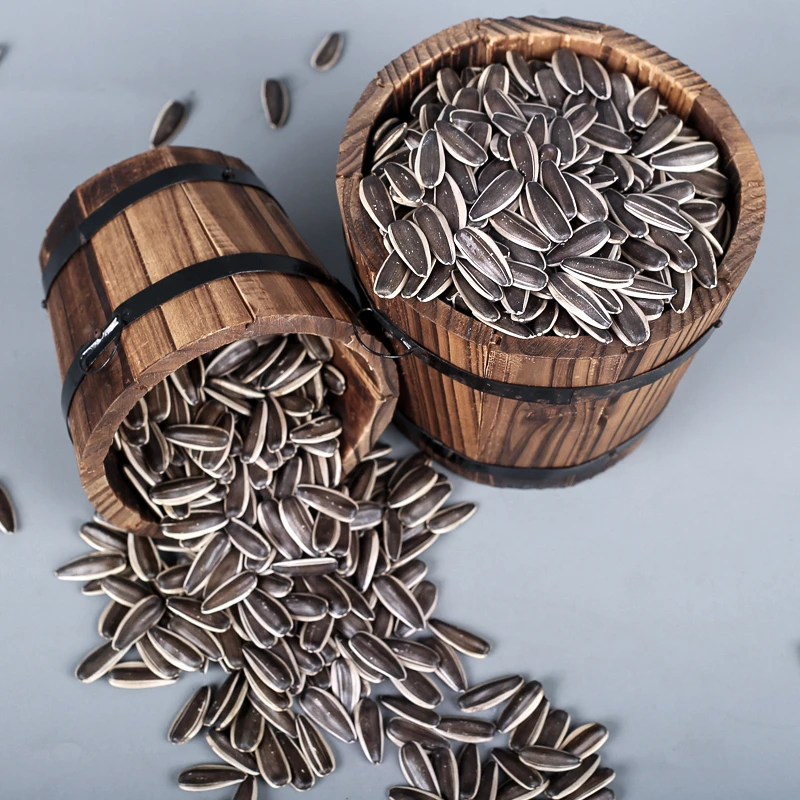
The raw material for organic bitter melon seeds is, fundamentally, the mature seed extracted from organically grown bitter melon fruits. Seed composition comprises primarily of endosperm (starch and protein reserves – approximately 60-70%), embryo (the developing plant – approximately 10-20%), and seed coat (protective outer layer – approximately 20-30%). Key physical properties include seed size (ranging from 8-12mm in length, 5-8mm in width, and 2-3mm in thickness), mass (typically 5-7 grams per 100 seeds), and moisture content (optimal range: 7-9%). Manufacturing begins with harvesting mature fruits, extracting the seeds, and washing to remove pulp residue. Crucially, organic certification requires the exclusion of synthetic pesticides, herbicides, and fertilizers throughout the entire process. Drying is a critical stage, typically employing air drying or low-temperature forced-air drying to maintain seed viability. Target moisture content during drying is essential, as excessive heat or rapid drying can lead to embryo damage and reduced germination. Post-drying, seeds undergo mechanical grading based on size and visual inspection for defects (broken, discolored, or insect-damaged seeds). Seed treatment, if permitted under organic standards (typically involving beneficial microbial coatings), is applied. Finally, seeds are packaged in moisture-proof, air-tight containers to prevent degradation during storage. Parameter control during drying (temperature, air velocity, duration) is paramount, as is rigorous adherence to organic handling protocols to maintain certification integrity. Genetic purity is ensured through careful selection of parent plants and isolation to prevent cross-pollination with non-organic or non-specified varieties.
Performance & Engineering
The primary performance metric for organic bitter melon seeds is germination rate, typically exceeding 85% under optimal conditions (temperature: 25-30°C, humidity: 70-80%, substrate: well-drained organic potting mix). Germination rate is influenced by seed viability, dormancy, and environmental factors. Seed vigor – the ability to establish robust seedlings – is another critical performance indicator, assessed through seedling growth rate, root development, and resistance to stress. Environmental resistance focuses on seed storage stability under varying temperature and humidity conditions. Organic certification standards mandate that seeds are not genetically modified, and therefore, seed performance is intrinsically linked to natural genetic variation. Engineering considerations include packaging design to minimize moisture ingress and physical damage during transit and storage. Seed coatings, if utilized, must be biocompatible with organic growing systems and not impede germination. Force analysis focuses on the mechanical integrity of the seed coat – its resistance to cracking during handling and planting. Compliance requirements include adherence to USDA Organic regulations (specifically, the National Organic Program - NOP), as well as seed labeling standards mandated by individual states or countries. The physiological dormancy of certain bitter melon seed varieties requires specific pre-treatment (scarification or stratification) to break dormancy and promote uniform germination, requiring engineering controls in seed processing facilities.
Technical Specifications
| Parameter | Unit | Specification | Test Method |
|---|---|---|---|
| Germination Rate | % | ≥ 85% | ISTA Procedure |
| Moisture Content | % | 7-9 | Oven Drying Method (ISTA) |
| Purity (Seed Variety) | % | ≥ 98% | Visual Inspection & Seedling Identification |
| Inert Matter | % | ≤ 1% | Sieve Analysis |
| Seed Size (Length) | mm | 8-12 | Calibrated Ruler/Digital Caliper |
| Seed Weight (100 Seeds) | g | 5-7 | Precision Balance |
Failure Mode & Maintenance
Common failure modes for organic bitter melon seeds include: 1) Reduced Germination due to improper storage (high temperature/humidity leading to embryo degradation). 2) Physical Damage during handling or processing (cracked seed coats reducing viability). 3) Contamination by fungal pathogens (leading to seed rot and failure to germinate). 4) Insect infestation during storage (damaging the embryo or seed coat). 5) Genetic deterioration over prolonged storage (leading to reduced vigor and inconsistent germination). Failure analysis typically involves microscopic examination of seeds to assess embryo integrity, fungal contamination, and physical damage. Maintenance practices focus on proper storage conditions – cool (4-10°C), dry (≤60% relative humidity), and dark. Seed lots should be regularly monitored for moisture content and pest activity. Packaging integrity must be maintained to prevent moisture ingress and pest access. Regular seed testing (germination rate, purity) is essential to monitor seed viability over time. Rotation of seed stocks (first-in, first-out) minimizes the risk of using aged seeds. Implementing a robust pest management system (non-chemical controls) in storage facilities is critical. In the event of fungal contamination, treatment with permitted organic fungicides (e.g., Bacillus subtilis) may be considered, although this can impact germination rates.
Industry FAQ
Q: What are the key differences between conventional and organically certified bitter melon seeds?
A: The primary difference lies in the production methods. Organic certification mandates the absence of synthetic pesticides, herbicides, and fertilizers throughout the seed’s lifecycle, from parent plant cultivation to processing and storage. Conventional seeds may utilize these synthetic inputs. This results in organically certified seeds commanding a premium price due to the increased production costs and regulatory compliance requirements.
Q: How does seed age impact germination rate, and what storage conditions are recommended?
A: Germination rate generally declines with seed age. The rate of decline is accelerated by improper storage conditions. Recommended storage is at 4-10°C (39-50°F) with a relative humidity of ≤60% in airtight containers. Regular monitoring of moisture content and germination testing are vital to ensure seed viability.
Q: What testing protocols are used to verify the purity and genetic identity of organic bitter melon seeds?
A: Purity is assessed through visual inspection for foreign seeds and inert matter. Genetic identity is verified through seedling identification (comparing morphological traits to established variety standards) and, increasingly, through molecular marker analysis (DNA fingerprinting) to confirm varietal authenticity.
Q: What is the role of seed coatings in organic production, and are there any restrictions?
A: Seed coatings can enhance germination, protect against pests and diseases, and improve seedling vigor. However, in organic production, coatings must be comprised of permitted organic substances (e.g., microbial inoculants, seaweed extracts) and cannot contain synthetic polymers or prohibited chemicals.
Q: How does dormancy impact the germination of bitter melon seeds, and what methods are used to break it?
A: Bitter melon seeds often exhibit physiological dormancy, meaning they require specific stimuli to initiate germination. Scarification (gently abrading the seed coat) or stratification (exposing seeds to a period of cold, moist conditions) are commonly used methods to break dormancy and promote uniform germination.
Conclusion
Organic bitter melon seeds are a specialized agricultural input demanding rigorous quality control and adherence to stringent organic standards. Successful production and utilization rely on a thorough understanding of seed physiology, material science principles, and appropriate manufacturing and storage practices. Maintaining high germination rates, genetic purity, and freedom from contamination are paramount to ensuring optimal crop yields and meeting consumer demand for organically produced bitter melon.
Future trends in the industry are likely to focus on developing improved seed varieties with enhanced vigor and resistance to environmental stresses, alongside advancements in seed coating technologies utilizing biocompatible organic materials. Continued research into optimizing storage conditions and developing more efficient dormancy-breaking techniques will also be critical. The increasing emphasis on traceability and transparency within the organic food supply chain will necessitate the implementation of robust seed tracking systems.
