Introduction
Organic bitter melon seeds, Momordica charantia, represent a crucial component in the agricultural supply chain, catering to a growing demand for both direct consumption and oil extraction. These seeds are not merely a byproduct of fruit production; they are a distinct agricultural commodity requiring specialized handling, processing, and quality control. The industry encompasses seed cleaning, drying, sorting, storage, and packaging operations, subject to stringent organic certification standards. From a technical standpoint, seed viability, oil content, and freedom from contaminants (microbial, chemical, and physical) are paramount performance indicators. This guide provides an in-depth examination of the science, manufacturing, and engineering considerations for organic bitter melon seed factories, addressing key pain points related to quality assurance, process optimization, and adherence to international regulatory frameworks. The inherent challenge lies in maintaining organic integrity throughout the entire supply chain, requiring traceable systems and validated cleaning protocols to mitigate risks associated with conventional farming practices and post-harvest contamination. This document aims to offer a comprehensive technical resource for procurement managers, engineers, and quality control personnel involved in the organic bitter melon seed sector.
Material Science & Manufacturing
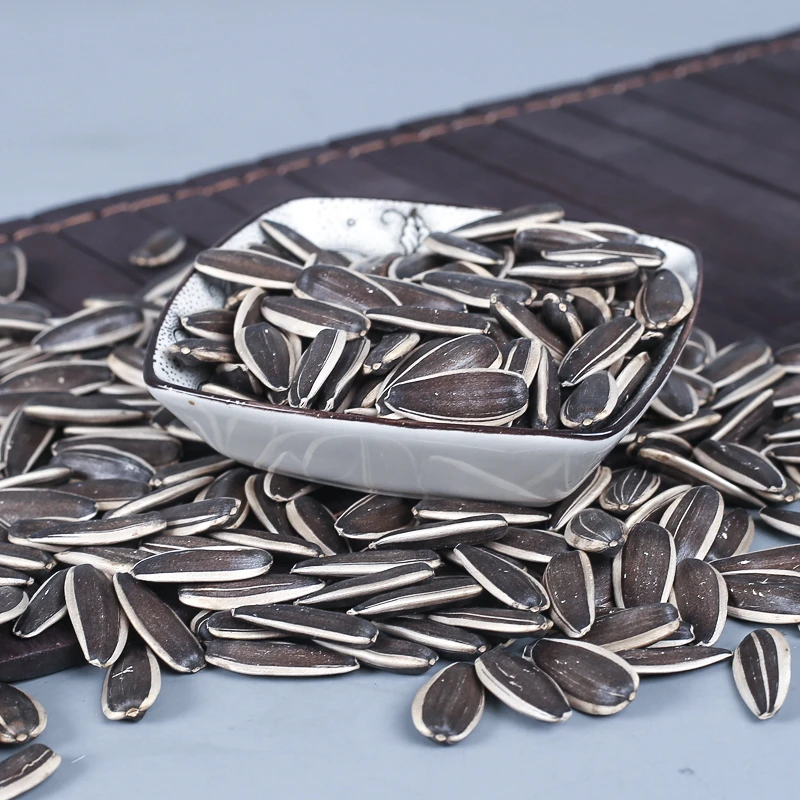
Organic bitter melon seeds are composed primarily of lipids (30-50% oil content), proteins (20-30%), carbohydrates (10-20%), and moisture (7-10%). The lipid composition consists predominantly of unsaturated fatty acids, including oleic acid and linoleic acid, making the oil valuable for nutraceutical applications. The seed coat, a crucial protective layer, comprises cellulose, hemicellulose, and lignin. Manufacturing begins with harvesting mature fruits. Following pulping, seeds undergo washing to remove adhering fruit pulp. This washing process is critical and typically employs a multi-stage system with filtered water to minimize microbial load and residual organic matter. Drying is then performed – traditionally sun-drying, but increasingly using controlled-temperature mechanical dryers (fluidized bed or tray dryers) to ensure consistent moisture content (typically below 8%) and prevent fungal growth. Key parameters in drying include air temperature (not exceeding 45°C to preserve oil quality), airflow rate, and drying time. Subsequent sorting, often employing mechanical separators and visual inspection, removes damaged, discolored, or immature seeds. Storage is vital; seeds are typically stored in airtight containers at low temperatures (5-10°C) and humidity (below 60%) to maximize viability and prevent rancidity. Packaging uses moisture-barrier materials to extend shelf life. Organic certification requires documented traceability of seeds from farm to final product, ensuring compliance with standards prohibiting synthetic pesticides, herbicides, and fertilizers throughout the entire production process. Control of mycotoxin levels (aflatoxins, ochratoxins) is a crucial manufacturing consideration, necessitating rigorous testing and adherence to Good Agricultural and Manufacturing Practices (GAMP).
Performance & Engineering
Seed performance is fundamentally tied to its viability and oil content. Germination rate, assessed via laboratory testing (ISTA standards), is a primary quality metric. Oil extraction efficiency, commonly determined using Soxhlet extraction or supercritical fluid extraction, directly impacts economic viability. Environmental resistance is critical during storage. Oxygen exposure leads to lipid oxidation, causing rancidity and reducing oil quality. Moisture content influences fungal growth and seed deterioration. Therefore, packaging materials with low oxygen transmission rates (OTR) and moisture vapor transmission rates (WVTR) are essential. Force analysis is relevant in processing equipment design. Seed handling systems (conveyors, elevators) must be engineered to minimize seed damage caused by impact or abrasion. Compliance requirements are extensive, governed by organic certification bodies (USDA Organic, EU Organic) and food safety regulations (FDA, EFSA). These regulations dictate permissible levels of contaminants, pesticide residues, and mycotoxins. Functional implementation involves establishing robust quality control systems, including HACCP (Hazard Analysis and Critical Control Points) plans, to identify and mitigate potential hazards throughout the production process. Engineering considerations include optimizing dryer designs for energy efficiency, implementing automated sorting systems for improved throughput, and designing storage facilities with controlled temperature and humidity.
Technical Specifications
| Parameter | Unit | Organic Standard Requirement | Typical Range (High Quality Seeds) |
|---|---|---|---|
| Moisture Content | % | ≤ 10% (to prevent mold) | 7-8% |
| Oil Content | % (dry basis) | N/A (quality indicator) | 40-50% |
| Germination Rate | % | ≥ 80% (for seed sales) | 85-95% |
| Purity (Other Seeds/Debris) | % | ≤ 1% (organic integrity) | < 0.5% |
| Aflatoxin B1 | ppb | ≤ 20 ppb (FDA/EU Limits) | < 5 ppb |
| Acid Value (Oil) | mg KOH/g | ≤ 4 (indication of rancidity) | < 2 |
Failure Mode & Maintenance
Failure modes in organic bitter melon seed factories can be categorized into several areas. Seed Degradation: Prolonged storage under unfavorable conditions (high temperature, humidity, oxygen exposure) leads to reduced germination rates and oil rancidity due to lipid oxidation. This manifests as reduced oil quality (increased acid value) and lower seedling vigor. Mechanical Damage: Aggressive handling during processing (drying, sorting, packaging) can cause seed coat cracking, reducing viability. Microbial Contamination: Insufficient cleaning and drying promote fungal growth, resulting in mycotoxin production (aflatoxins, ochratoxins) and seed spoilage. Foreign Material Contamination: Presence of weed seeds, stones, or other debris compromises seed quality and poses a risk to processing equipment. Maintenance solutions include: Regular monitoring of storage conditions (temperature, humidity). Implementation of a preventative maintenance schedule for drying and sorting equipment. Strict adherence to cleaning and sanitation protocols using approved organic disinfectants. Regular testing for mycotoxins and microbial load. Implementation of robust traceability systems to quickly identify and isolate contaminated batches. Periodic calibration of analytical instruments (moisture meters, oil content analyzers). Regular inspection of packaging materials for integrity and barrier properties.
Industry FAQ
Q: What are the critical control points in maintaining organic integrity during seed processing?
A: The most critical control points are sourcing certified organic seeds, rigorous cleaning to remove any traces of conventional inputs, controlled drying to prevent fungal growth, and maintaining strict segregation from non-organic materials throughout processing and storage. Detailed record-keeping and third-party audits are essential for demonstrating compliance.
Q: How do you mitigate the risk of aflatoxin contamination in bitter melon seeds?
A: Aflatoxin contamination is best mitigated through proper harvesting practices (avoiding damaged fruit), rapid and thorough drying to below 8% moisture content, and storage in airtight containers under cool, dry conditions. Regular testing for aflatoxins is mandatory.
Q: What are the advantages of mechanical drying versus sun-drying for organic bitter melon seeds?
A: Mechanical drying offers better control over temperature and drying time, minimizing seed damage and reducing the risk of fungal growth. It also allows for consistent product quality regardless of weather conditions, and reduces the risk of external contamination.
Q: What packaging materials are best suited for long-term storage of organic bitter melon seeds?
A: Packaging should utilize materials with low OTR and WVTR, such as multi-layer films with aluminum foil or metallized polyester layers. Airtight sealing is crucial. Materials must also be certified food-grade and suitable for organic products.
Q: How often should seed viability testing be performed to ensure quality control?
A: Seed viability testing should be performed at multiple stages: upon arrival at the processing facility (incoming inspection), after drying and cleaning, and periodically during storage (e.g., every 3-6 months) to monitor seed quality over time.
Conclusion
Organic bitter melon seed production presents a complex set of challenges requiring meticulous attention to detail throughout the entire supply chain. Maintaining organic integrity, ensuring seed viability, and mitigating the risks of contamination are paramount. A robust quality management system, incorporating rigorous testing, controlled processing parameters, and adherence to international organic standards, is essential for delivering a high-quality product. Successful factories prioritize preventive maintenance, traceability, and continuous improvement to optimize efficiency and minimize failure modes.
The future of the organic bitter melon seed industry hinges on advancements in processing technologies, such as optimized drying systems and automated sorting equipment, and the development of innovative packaging materials with improved barrier properties. Further research into seed storage physiology and the development of non-chemical methods for controlling fungal growth will also be crucial for enhancing product quality and sustainability. By embracing these advancements and maintaining a steadfast commitment to organic principles, the industry can meet the growing global demand for this valuable agricultural commodity.
