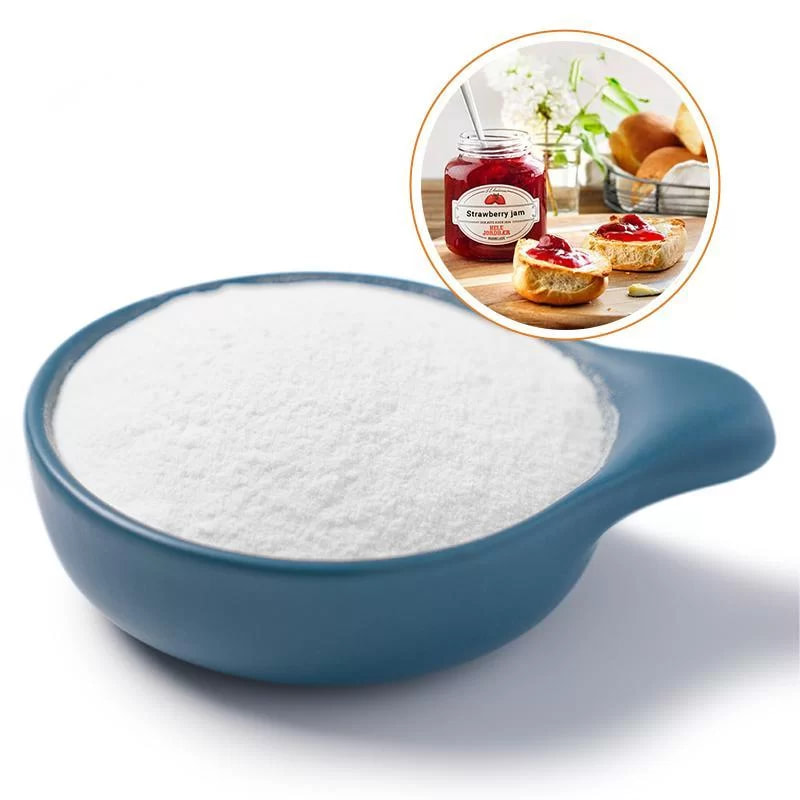
Choosing a top sodium carboxymethyl cellulose supplier is increasingly recognized as a critical strategic decision for food scientists aiming to stabilize complex edible matrices. The modern food processing industry faces a continuous battle against structural degradation, moisture loss, and phase separation during prolonged shelf-life. As consumer expectations for mouthfeel, visual appeal, and consistency rise, formulators are turning toward advanced, high-purity hydrocolloids to provide invisible yet essential structural support. These cellulose-derived additives act as the invisible scaffolding that maintains the integrity of processed foods from the factory floor to the consumer's table.
The Mechanics of Emulsification and Suspension
In many food products, from creamy dressings to dairy alternatives, maintaining a uniform blend of oil and water is scientifically challenging. Food-grade cellulose ethers function as multi-functional additives that provide essential adhesion, emulsification, and suspension. When incorporated into a liquid matrix, these polymers hydrate and expand, creating a network that increases the viscosity of the aqueous phase. This thickened environment physically impedes the movement of oil droplets and solid particles, preventing them from coalescing or settling at the bottom of the container. The result is a perfectly homogeneous product that retains its intended texture and appearance over months of storage.
Mastering Water Retention and Film Formation
Beyond suspension, the superior water retention capacity of these polymers is revolutionary for the food industry. In baked goods or processed meats, rapid evaporation of moisture leads to staling, shrinkage, and a dry mouthfeel. By trapping water molecules within their colloidal structure, cellulose derivatives ensure that the final product remains moist and appetizing. Additionally, their inherent film-forming ability allows them to create a thin, protective, and edible barrier upon drying. This characteristic is frequently utilized to coat specific ingredients or final products, providing a smooth finish while shielding the interior from oxidative degradation.
Navigating Thermal Processing Challenges
Food manufacturing often involves extreme temperature fluctuations, requiring ingredients that can withstand heating, cooling, and freezing without losing functionality. The thermal stability of advanced cellulose derivatives is dictated by precise chemical configurations. For instance, specific gel temperatures must be aligned with the processing environment so that the solution transitions from a liquid to a supportive gel precisely when required. If the gel temperature is not meticulously controlled during manufacturing, the food product may solidify prematurely or fail to set at all. This highlights the necessity of relying on highly standardized ingredients that behave predictably under thermal stress.
Customization and Supply Chain Reliability
The diversity of modern food products means that a one-size-fits-all approach to additives is no longer viable. Formulators frequently require tailored viscosity ranges to achieve specific textural goals. Working with a facility that can develop custom sodium carboxymethyl cellulose ensures that the additive perfectly matches the rheological requirements of a specific recipe. A premium manufacturer does not just supply a white, odorless powder; they provide comprehensive technical support and rigorous quality control. By ensuring flawless whiteness, zero impurities, and consistent chemical properties across every batch, advanced suppliers empower food brands to innovate confidently and deliver superior culinary experiences.
