Introduction
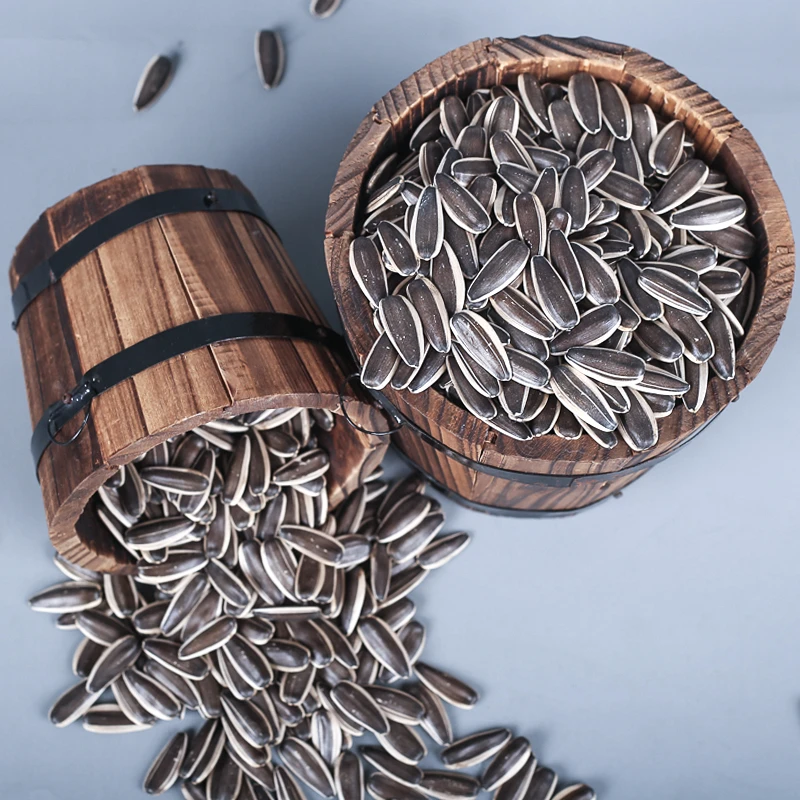
Muskmelon seed suppliers operate within a critical segment of the agricultural supply chain, providing the foundational material for a globally consumed fruit. The price per kilogram of these seeds is governed by a complex interplay of factors, encompassing genetic purity, germination rates, disease resistance, and market demand. This guide provides an in-depth technical overview of muskmelon seed production, quality control, and the forces driving pricing dynamics for suppliers serving both domestic and international markets. Understanding these factors is crucial for procurement managers, agricultural engineers, and quality assurance personnel involved in the sourcing and production of muskmelons. The industry faces consistent pressure to improve yield, shorten growth cycles, and enhance fruit quality, all reliant on seed quality and consistent supplier performance. We will explore the science behind seed viability, the manufacturing processes ensuring quality, and the performance characteristics that justify varying price points.
Material Science & Manufacturing
Muskmelon seeds, botanically Cucumis melo, are primarily composed of an embryo, endosperm (providing nutrients), and a seed coat (testa) offering protection. The testa's composition is crucial; it consists of lignin, cellulose, and hemicellulose, influencing seed permeability and resistance to physical damage. Raw material selection starts with identifying superior muskmelon cultivars exhibiting desired traits. Seed production is typically a multi-stage process. First, open-pollinated or hybrid varieties are grown under controlled conditions to prevent cross-pollination. Controlled pollination, often hand-pollination, is employed for hybrid seed production, ensuring genetic purity. Post-harvest, fruits are allowed to mature fully on the vine to maximize seed development. Extraction involves mechanical pulping followed by fermentation to remove adhering pulp. This fermentation process is critical, impacting seed viability if not precisely controlled; pH levels between 4.0 and 5.0 are maintained for optimal enzyme activity and pulp removal. Following fermentation, seeds undergo washing, drying (typically to a moisture content of 7-8% to prevent fungal growth), grading based on size and weight, and finally, treatment with fungicides and insecticides to protect against storage pests and diseases. Parameter control during drying is paramount – temperatures exceeding 45°C can severely reduce germination rates. Seed coating with polymers containing micronutrients and growth promoters is increasingly common, enhancing seedling vigor and early establishment. Batch testing for genetic purity using PCR techniques is a standard quality control measure.
Performance & Engineering
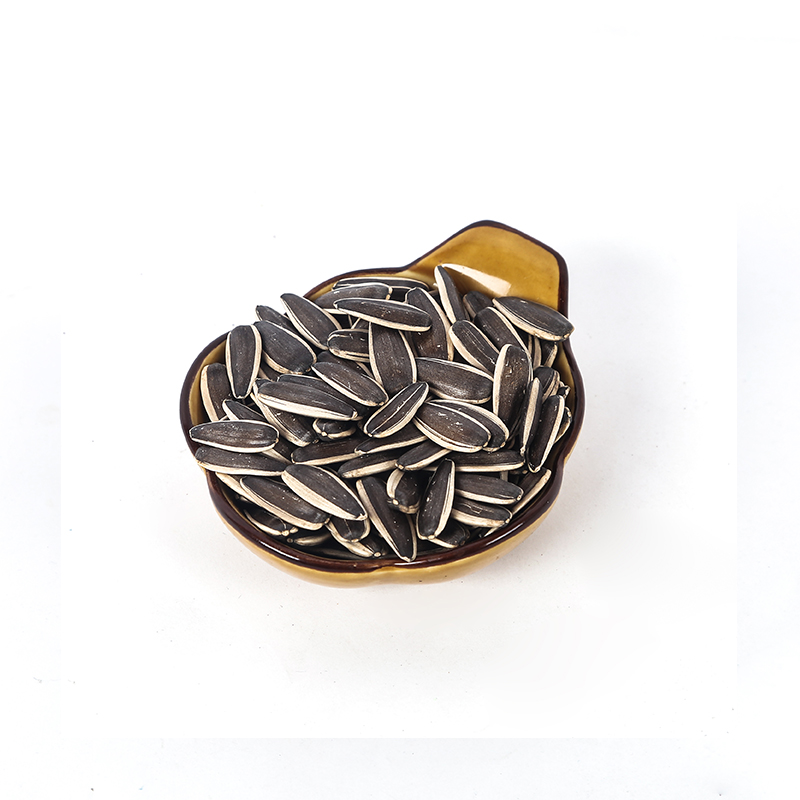
The performance of muskmelon seeds is primarily evaluated by germination rate, seedling vigor, and disease resistance. Germination rate, typically expressed as a percentage, is influenced by seed viability, dormancy levels, and environmental conditions (temperature, moisture). Seed vigor, a measure of seedling growth potential, is assessed through accelerated aging tests and cold germination tests. Engineering considerations focus on optimizing seed flow during processing and packaging to minimize damage. Force analysis is applied to seed coating processes to ensure uniform application without cracking the seed coat. Environmental resistance, particularly tolerance to temperature fluctuations and drought stress, is a key selection criterion. Compliance requirements vary by country, with stringent regulations regarding seed health, pesticide residues, and genetic modification status (GMO). The European Seed Association (ESA) and the Association of Official Seed Certifying Agencies (AOSCA) establish standards for seed quality and certification. Furthermore, seed suppliers must comply with phytosanitary regulations to prevent the spread of plant pathogens. The seed's physical properties, like bulk density and sphericality, affect planting precision in mechanized systems. The impact resistance of the seed coat is critical to withstand the stresses of mechanical planting equipment.
Technical Specifications
| Parameter | Unit | Standard Value (Hybrid Variety) | Standard Value (Open-Pollinated Variety) |
|---|---|---|---|
| Germination Rate | % | ≥ 90 | ≥ 80 |
| Purity | % | ≥ 99 | ≥ 98 |
| Moisture Content | % | 7-8 | 7-8 |
| Seed Vigor Index (Speed of Germination) | cm/day | ≥ 8.0 | ≥ 6.0 |
| Disease Resistance (Powdery Mildew) | Scale (1-5, 5=High Resistance) | ≥ 4 | ≥ 3 |
| Seed Size (1000 Seed Weight) | g | 120-150 | 100-130 |
Failure Mode & Maintenance
Muskmelon seeds are susceptible to several failure modes. Seed dormancy, if excessively prolonged, can result in poor germination even under optimal conditions. Mechanical damage during processing and handling can compromise seed viability, leading to cracked seed coats and embryo damage. Fungal infections, particularly Fusarium and Alternaria, can cause seed decay and reduce germination. Insect infestation, by storage pests like weevils, can damage the embryo and endosperm. Degradation of seed coatings can reduce the effectiveness of protective treatments and nutrient delivery. Oxidation of lipids within the seed can lead to reduced vigor and shelf life. Maintenance and prevention strategies include proper seed drying and storage at low temperatures (4-10°C) and controlled humidity (50-60%). Regular seed testing for viability, purity, and disease is essential. Implementing strict sanitation protocols during processing and storage minimizes fungal and insect infestations. Seed coating formulations should be carefully selected for compatibility with the seed and environmental conditions. Packaging should provide a moisture barrier and protect against physical damage. Proper inventory management (FIFO – First In, First Out) ensures that older seed lots are used before newer ones.
Industry FAQ
Q: What is the impact of hybrid vigor on muskmelon seed pricing?
A: Hybrid vigor, the increased performance of first-generation hybrids compared to their parents, significantly impacts pricing. Hybrid seeds consistently deliver higher yields, improved disease resistance, and uniform fruit quality. The research and development costs associated with creating and maintaining hybrid lines are substantial, justifying a higher price point compared to open-pollinated varieties. The increased profitability for growers using hybrid seeds also contributes to their market value.
Q: How does seed coating technology affect the price per kilogram?
A: Seed coating adds value and therefore cost. Coatings containing fungicides, insecticides, micronutrients, and biostimulants enhance seedling establishment, protect against pests and diseases, and improve stress tolerance. The formulation complexity, coating material composition, and application precision contribute to the added expense. Higher-performance coatings with advanced delivery systems naturally command a premium price.
Q: What role does disease resistance play in determining seed price?
A: Disease resistance is a major driver of seed pricing. Seeds bred for resistance to prevalent muskmelon diseases like powdery mildew, downy mildew, and Fusarium wilt significantly reduce crop losses and pesticide application costs for growers. Developing disease-resistant varieties requires extensive breeding programs and genetic screening, increasing the cost of production. The level and spectrum of resistance also influence price; broad-spectrum resistance is more valuable.
Q: Are there significant price differences between seed sourced from different geographical regions?
A: Yes, price variations exist based on sourcing region. Regions with well-established seed industries, advanced breeding programs, and stringent quality control standards (e.g., Netherlands, USA, Japan) typically command higher prices. Labor costs, production infrastructure, and transportation expenses also contribute to regional price differences. Import tariffs and trade regulations can further impact the final cost.
Q: What impact do international seed regulations have on seed pricing?
A: International seed regulations, such as those established by the OECD Seed Schemes, impact pricing through compliance costs. Adhering to these standards requires rigorous testing, documentation, and certification procedures. Regulations concerning genetically modified organisms (GMOs) and phytosanitary requirements also influence pricing; non-GMO seeds and seeds certified as pathogen-free often carry a premium.
Conclusion
The pricing of muskmelon seeds per kilogram is a multifaceted issue driven by a combination of scientific factors, manufacturing processes, and market dynamics. Understanding the interplay between genetic purity, germination rates, disease resistance, seed coating technology, and regulatory compliance is crucial for both suppliers and purchasers. Investment in advanced breeding programs, quality control measures, and sustainable production practices will continue to shape the industry and influence future pricing trends.
Moving forward, advancements in seed technology, such as precision seed coating and the development of climate-resilient varieties, are expected to further differentiate seed offerings and impact price points. Suppliers who can consistently deliver high-quality seeds with verifiable performance characteristics will be best positioned to succeed in this competitive market. Transparency in sourcing, traceability throughout the supply chain, and adherence to international standards will also be increasingly important for building trust and maintaining market share.
