Introduction
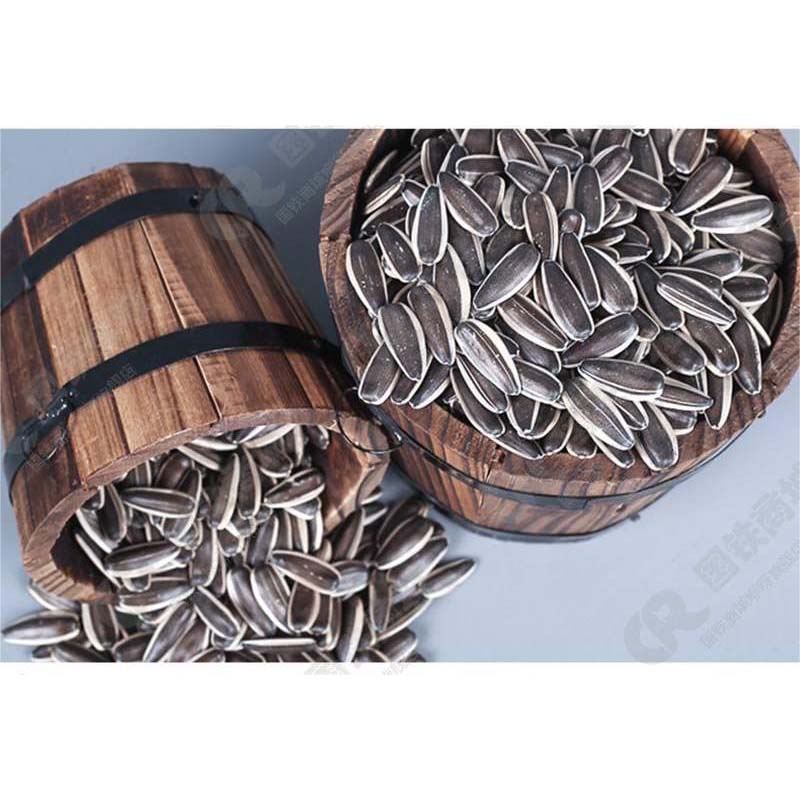
Muskmelon seed supply, assessed on a price per kilogram basis, represents a critical component of commercial horticulture, influencing both agricultural profitability and consumer access to this widely cultivated cucurbit. The industry chain begins with specialized breeding programs focused on traits like disease resistance, yield, fruit size, and sugar content. Seeds are subsequently produced, processed (drying, grading, treatment), and distributed through a network of suppliers to farmers and agricultural businesses. Core performance characteristics defining seed quality and driving price include germination rate, genetic purity, seed vigor, and freedom from seed-borne pathogens. Fluctuations in the muskmelon seeds price per kg are driven by factors such as weather patterns impacting harvest yields, global demand, advances in breeding technology, and regulatory compliance related to seed certification and phytosanitary standards. Understanding these nuances is crucial for stakeholders throughout the supply chain.
Material Science & Manufacturing
Muskmelon seeds are comprised of a complex biological structure involving the embryo, endosperm (nutrient reserve), and seed coat (testa). The testa is predominantly composed of cellulose, hemicellulose, and lignin, providing physical protection. The endosperm contains carbohydrates (starch), proteins, and lipids – essential for germination and seedling development. Manufacturing begins with controlled pollination to ensure genetic purity. Post-harvest, seeds undergo drying, typically to a moisture content of 7-8%, crucial for maintaining viability during storage. Seed cleaning removes debris and immature seeds, often employing sieving, air separation, and density tables. Seed treatment, a critical step, involves applying fungicides, insecticides, or biostimulants to protect against pathogens and enhance germination. Parameter control during drying is paramount; excessive heat can denature proteins and reduce viability, while insufficient drying promotes fungal growth. Seed coating technology, involving the application of polymers and nutrients, is increasingly employed to improve handling characteristics, deliver precise pesticide application, and enhance seedling establishment. The quality of the source material (parent plants) directly impacts seed composition and subsequent performance. Lipid peroxidation during storage represents a significant degradation pathway, influenced by temperature and oxygen exposure.
Performance & Engineering
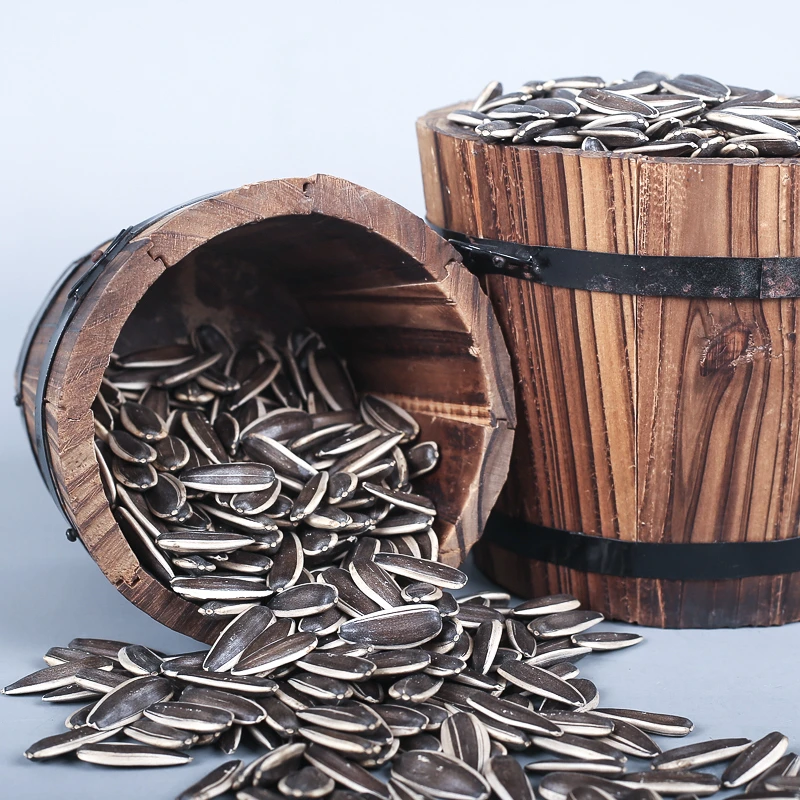
Seed performance is fundamentally dictated by germination energy (speed of germination), germination percentage (proportion of seeds germinating), and seedling vigor (growth rate and robustness). Germination is a complex physiological process influenced by moisture, temperature, oxygen availability, and light. Seed vigor is often assessed through accelerated aging tests, which simulate accelerated deterioration to predict storage potential. Engineering considerations extend to seed packaging, requiring materials with appropriate barrier properties (to moisture and oxygen) to maintain seed viability during transport and storage. Force analysis pertains to the mechanical strength of the seed coat – resistance to cracking during handling and planting. Environmental resistance encompasses tolerance to temperature fluctuations, drought stress, and salinity – crucial traits for adaptation to diverse growing conditions. Compliance requirements include adherence to seed certification standards (ensuring genetic purity and quality), phytosanitary regulations (preventing the spread of plant diseases), and labeling requirements (providing information on seed variety, germination rate, and treatment). The development of hybrid muskmelon varieties necessitates meticulous breeding programs, including controlled crosses and recurrent selection, to combine desirable traits and maximize yield potential. Seed dormancy, a natural mechanism preventing premature germination, is often broken through stratification or scarification techniques, tailored to specific muskmelon varieties.
Technical Specifications
| Germination Rate (%) | Genetic Purity (%) | Moisture Content (%) | 1000-Seed Weight (g) |
|---|---|---|---|
| ≥85 | ≥98 | ≤8.0 | 30-45 |
| ≥90 (Hybrid Varieties) | ≥99 (Hybrid Varieties) | ≤7.5 | 35-50 |
| ≥80 (Open-Pollinated Varieties) | ≥95 (Open-Pollinated Varieties) | ≤9.0 | 25-40 |
| ≥88 (Treated Seeds) | ≥98 (Treated Seeds) | ≤8.5 | 32-48 |
| ≥75 (Organic Varieties) | ≥95 (Organic Varieties) | ≤8.0 | 28-42 |
| ≥92 (Disease Resistant Varieties) | ≥99 (Disease Resistant Varieties) | ≤7.0 | 38-52 |
Failure Mode & Maintenance
Seed failure can manifest through several modes. Low germination rates can result from genetic defects, mechanical damage during processing, improper storage conditions (high temperature/humidity), or seed-borne pathogens. Seed deterioration, characterized by declining germination energy and vigor, is a time-dependent process accelerated by unfavorable storage environments. Physical damage, such as cracking or chipping of the seed coat, can compromise seed viability and increase susceptibility to fungal infection. Seed-borne diseases (e.g., Fusarium wilt, powdery mildew) can significantly reduce seedling establishment. Oxidative degradation of lipids within the seed is a major contributor to aging. Maintenance practices crucial for preserving seed quality include storage in cool, dry, and dark conditions, using airtight containers to minimize moisture uptake and oxygen exposure. Seed testing (germination assays, purity analysis) should be conducted periodically to monitor seed viability. Employing seed treatments with appropriate fungicides and insecticides provides protection against pathogens and pests. Proper inventory management, utilizing a “first-in, first-out” system, minimizes the duration of storage and reduces the risk of deterioration. The implementation of robust quality control measures throughout the entire supply chain, from breeding to distribution, is essential for mitigating failure modes.
Industry FAQ
Q: What is the typical shelf life of muskmelon seeds under optimal storage conditions?
A: Under ideal storage conditions – cool (4-10°C), dry (≤50% relative humidity), and dark – muskmelon seeds generally maintain acceptable germination rates for 2-3 years. However, this varies depending on the variety, seed vigor at harvest, and initial moisture content. Regular germination testing is recommended after two years to assess viability.
Q: How does seed treatment impact the price per kg of muskmelon seeds?
A: Seed treatment, while adding to the production cost, typically increases the price per kg. The type of treatment (fungicide, insecticide, biostimulant) and the application method influence the price premium. However, the benefits – improved germination, seedling establishment, and disease resistance – often justify the increased cost for commercial growers.
Q: What is the significance of genetic purity in muskmelon seed quality?
A: Genetic purity refers to the percentage of seeds that breed true to the desired variety. High genetic purity is critical for maintaining consistent fruit characteristics (size, shape, flavor, disease resistance). Off-type seeds can lead to yield reductions and quality inconsistencies, impacting market value.
Q: What are the key indicators used to assess the vigor of muskmelon seeds?
A: Seed vigor is assessed using several indicators, including germination speed (measured as the time to 50% germination), seedling growth rate (shoot and root length), and stress tolerance (assessed through accelerated aging or controlled drought tests). High vigor seeds exhibit rapid and uniform germination, resulting in robust seedlings.
Q: What role do international phytosanitary regulations play in the muskmelon seed supply chain?
A: Phytosanitary regulations are crucial for preventing the spread of plant diseases and pests across borders. Muskmelon seeds must meet the import requirements of the destination country, which typically involve inspection for seed-borne pathogens and adherence to specific treatment protocols (e.g., hot water treatment, fungicide application). Compliance with these regulations is essential for international trade.
Conclusion
The muskmelon seeds price per kg is a complex metric influenced by a confluence of factors, spanning genetic quality, manufacturing precision, and adherence to stringent performance standards. Understanding the material science underpinning seed structure, the nuances of germination physiology, and the potential failure modes is paramount for suppliers and end-users alike. Investing in robust quality control measures, optimizing storage conditions, and embracing innovative seed treatment technologies are essential for maximizing seed viability and ensuring consistent crop yields.
Looking ahead, advancements in seed breeding, including genome editing techniques, promise to enhance muskmelon varieties with improved disease resistance, enhanced nutritional value, and greater adaptability to changing climatic conditions. Furthermore, the adoption of precision agriculture practices, coupled with real-time seed quality monitoring, will drive efficiency and sustainability throughout the entire muskmelon seed supply chain, ultimately benefiting both growers and consumers.
