
Introduction
Muskmelon seeds, Cucumis melo var. reticulatus, represent a critical agricultural commodity and a foundational element within the cucurbit family’s propagation cycle. While commonly valued for direct consumption, their price per kilogram is dictated by a complex interplay of factors ranging from genetic purity and germination rates to regional demand and market logistics. This guide provides a comprehensive technical overview of muskmelon seed characteristics, manufacturing processes related to seed production, quality control parameters, performance considerations for agricultural yield, potential failure modes impacting seed viability, and relevant industry standards. Understanding these facets is crucial for procurement managers, agricultural engineers, and seed producers aiming for optimal cost-effectiveness and successful crop establishment. The price volatility, currently fluctuating based on climate conditions and global supply chains, necessitates a detailed understanding of the seed’s intrinsic qualities affecting its performance.
Material Science & Manufacturing
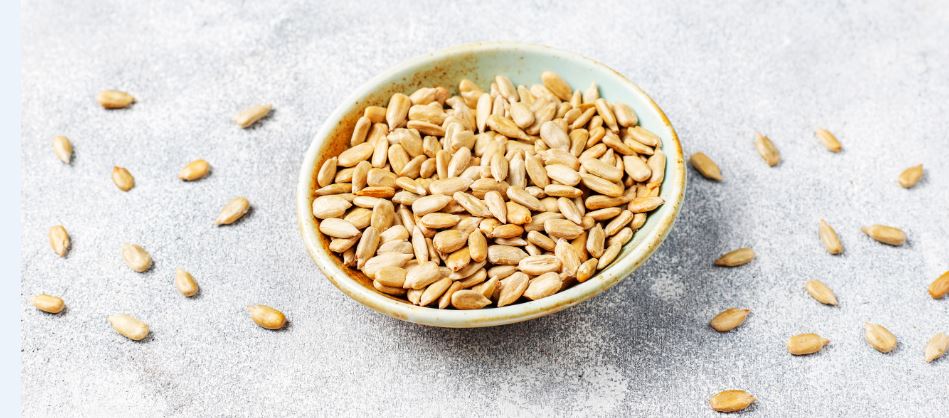
Muskmelon seeds are comprised primarily of an embryo, endosperm (providing nutrient reserves), and a seed coat (testa) providing protective layers. The testa's composition consists largely of cellulose, hemicellulose, and lignin, conferring structural rigidity and resistance to environmental stressors. Seed oil content, varying between 20-40% depending on cultivar, plays a significant role in seed viability and germination energy. Manufacturing processes begin with controlled pollination to ensure genetic purity. Following fruit maturity, seeds are extracted mechanically or manually, then undergo cleaning to remove pulp and debris. Crucially, drying is a critical parameter; seed moisture content must be reduced to approximately 7-8% for optimal long-term storage. This is typically achieved through forced-air drying or controlled-temperature drying processes. Post-drying, seeds are graded based on size and weight, with density separators often employed to remove lighter, immature seeds. Seed treatment with fungicides and insecticides is common practice, requiring precise dosage control to avoid phytotoxicity. Quality control measures at each stage, including germination testing and purity analysis (using visual inspection and laboratory assays), are paramount. Furthermore, the genetic engineering of cultivars impacts the seed's resistance to disease and pests, and subsequently influences production yields and seed pricing.
Performance & Engineering
The performance of muskmelon seeds is fundamentally linked to their germination rate, seedling vigor, and resultant fruit yield. Germination rate is impacted by seed dormancy, which can be broken through stratification (cold, moist storage) or scarification (mechanical abrasion of the seed coat). Seedling vigor is assessed by measuring root and shoot length, and biomass accumulation during the initial growth stages. Agronomic performance is tied to the cultivar’s genetic potential, but also heavily influenced by environmental factors such as soil temperature, moisture availability, and nutrient levels. Engineering considerations involve optimizing seedbed preparation to ensure adequate aeration and drainage. Plant density, controlled through seeding rate and row spacing, is a key factor influencing yield and fruit size. Irrigation management is crucial, particularly during fruit development. The susceptibility of muskmelon crops to fungal diseases (e.g., powdery mildew, downy mildew) and insect pests (e.g., aphids, squash bugs) necessitates integrated pest management strategies. Compliance requirements include adherence to organic farming standards (where applicable) and phytosanitary regulations governing seed movement across international borders. The mechanical strength of the seed coat is also relevant, particularly during handling and processing, influencing seed damage and viability.
Technical Specifications
| Parameter | Unit | Typical Value (Range) | Testing Method |
|---|---|---|---|
| Germination Rate | % | 85-95% | ISTA Method 200 |
| Seed Moisture Content | % | 7-8% | Oven Drying Method (ISTA) |
| Purity | % | >98% | Visual Inspection & Seed Blow Test |
| 1000-Seed Weight | g | 20-30 | Electronic Balance |
| Oil Content | % | 20-40% | Soxhlet Extraction |
| Seed Coat Thickness | µm | 100-200 | Microscopic Measurement |
Failure Mode & Maintenance
Muskmelon seed failure modes primarily center around diminished viability. Common causes include improper storage conditions (high temperature and humidity leading to accelerated deterioration), mechanical damage during handling or processing (cracking the seed coat and compromising the embryo), and pathogen infection (reducing germination energy). Furthermore, seed aging, even under optimal storage, leads to a gradual decline in viability due to oxidative damage and accumulation of metabolic byproducts. Failure can also occur due to genetic defects inherent in the cultivar. Maintenance, in this context, revolves around optimal seed storage practices: maintaining cool (4-10°C), dry (relative humidity <50%) conditions in airtight containers. Regular germination testing is essential to monitor seed viability over time. Seed treatment with protective coatings can mitigate pathogen infection and protect against mechanical damage. For seed companies, implementing robust quality control procedures throughout the production process is paramount. Farmers should prioritize purchasing seeds from reputable suppliers and adhering to recommended sowing depths and spacing to minimize stress on germinating seedlings. Seed dormancy can lead to non-uniform germination. Understanding cultivar-specific dormancy characteristics allows for appropriate pre-treatment strategies to synchronize germination.
Industry FAQ
Q: What is the significance of seed lot uniformity, and how is it assessed?
A: Seed lot uniformity refers to the consistency of seed characteristics within a given batch. This impacts planting accuracy and crop emergence. It's assessed through parameters like 1000-seed weight, germination rate variation, and physical size distribution. High uniformity leads to predictable plant stands and optimized yield.
Q: How do different seed treatments impact long-term field performance?
A: Seed treatments, such as fungicide and insecticide coatings, protect seedlings from early-season pests and diseases. However, overuse can lead to resistance development. Biostimulant treatments can enhance germination and early growth. The selection of appropriate treatments should be based on local pest and disease pressures.
Q: What role does seed priming play in enhancing germination under stress conditions?
A: Seed priming – controlled hydration – initiates physiological processes preparing the seed for germination. It improves germination rates under adverse conditions like low temperature or drought stress by accelerating metabolic activation.
Q: What are the key differences between hybrid and open-pollinated muskmelon seeds in terms of performance and cost?
A: Hybrid seeds offer improved yield, uniformity, and disease resistance due to heterosis (hybrid vigor). However, they cannot be saved for replanting, as subsequent generations revert to the parental characteristics. Open-pollinated seeds can be saved, but often exhibit lower performance consistency. Hybrid seeds typically command a higher price.
Q: How does seed source (geographic origin) influence adaptability to different growing regions?
A: Seeds sourced from regions with similar climatic conditions to the target growing area generally exhibit better adaptability. Selecting cultivars specifically bred for local conditions maximizes yield potential and minimizes the risk of crop failure.
Conclusion
Muskmelon seed quality, dictated by a confluence of genetic, physiological, and agronomic factors, directly influences agricultural productivity and economic viability. A thorough understanding of seed morphology, manufacturing processes, performance characteristics, and potential failure modes is essential for optimizing crop establishment and maximizing yield. The price per kilogram reflects not only the cost of production but also the inherent quality attributes – germination rate, purity, and genetic potential – that define the seed’s value proposition.
Continued research into seed physiology, breeding programs focused on improved stress tolerance, and advancements in seed treatment technologies will be crucial for mitigating the risks associated with climate change and ensuring a stable supply of high-quality muskmelon seeds to meet global demand. Furthermore, adherence to international standards and the implementation of robust quality control systems are paramount for maintaining seed integrity and promoting sustainable agricultural practices.
