Introduction
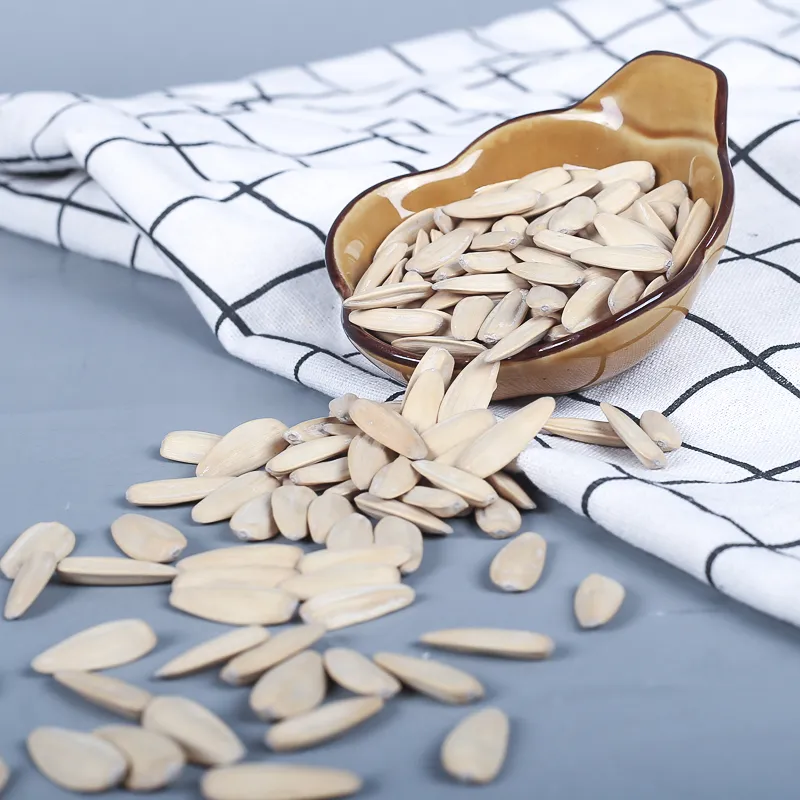
Muskmelon seeds, Cucumis melo var. reticulatus, represent a critical input for agricultural production, influencing yield, fruit quality, and ultimately, market price. The ‘price per kg’ metric reflects a complex interplay of factors including genetic purity, germination rate, disease resistance, seed treatment, and prevailing market dynamics. These seeds are not simply a commodity; they are a foundational element of a multi-billion dollar industry requiring stringent quality control and adherence to agricultural best practices. Understanding the nuances of muskmelon seed production and quality, as well as the factors driving price fluctuations, is paramount for growers, distributors, and policymakers alike. This guide provides an in-depth technical analysis of muskmelon seeds, covering material science, manufacturing processes, performance characteristics, potential failure modes, and relevant industry standards. The economic implications of seed price are directly tied to the overall viability and profitability of muskmelon farming, making a detailed technical understanding essential.
Material Science & Manufacturing
Muskmelon seeds are comprised primarily of an embryo, endosperm, and seed coat (testa). The embryo, the nascent plant, contains lipids, proteins, and carbohydrates crucial for germination and initial growth. The endosperm provides nutrient reserves, predominantly starch and oils, fueling early seedling development. The seed coat, a protective layer, is composed of cellulose, hemicellulose, and lignin, providing structural integrity and resistance to environmental stressors. The lipid composition within the seed is particularly important, with linoleic acid and oleic acid being dominant fatty acids. Manufacturing begins with controlled pollination within isolated fields to maintain genetic purity, often utilizing insect barriers or physical isolation. Harvesting occurs at physiological maturity, determined by rind color and ease of stem detachment. Post-harvest, seeds are extracted mechanically, cleaned to remove debris, and dried to a moisture content of approximately 7-8% to ensure longevity. Seed treatment is a critical step, often involving fungicides (e.g., thiram, captan) to combat seed-borne pathogens and insecticides to protect against early-season pests. The coating application process utilizes polymers (e.g., polyvinyl alcohol) to facilitate even distribution of treatments and improve seed flowability during planting. Parameter control during drying is paramount – excessive heat leads to protein denaturation and reduced germination, while insufficient drying fosters fungal growth. Seed storage conditions (temperature <10°C and relative humidity <50%) are meticulously maintained to preserve viability, often utilizing desiccant materials within hermetically sealed containers.
Performance & Engineering
Muskmelon seed performance hinges on several key engineering parameters. Germination rate, typically expressed as a percentage, is a primary indicator of seed quality. This is influenced by seed viability, dormancy levels, and environmental conditions (temperature, moisture, oxygen availability). Seed vigor, a measure of seedling growth rate and strength, is crucial for establishing uniform stands and maximizing yield. Resistance to cracking under mechanical stress during planting is another critical attribute, dependent on seed coat strength and moisture content. The presence of seed-borne pathogens necessitates analysis of the efficacy of seed treatments. This is often evaluated through laboratory assays measuring fungal inhibition zones and assessing seedling disease incidence. Environmental resistance factors include tolerance to temperature fluctuations and osmotic stress, particularly during germination and early seedling development. Compliance requirements vary by region, but generally include adherence to seed certification standards (e.g., OECD Seed Schemes) and regulations pertaining to pesticide residue limits. The physical dimensions of the seeds (length, width, thickness) are also considered, impacting planter calibration and seed spacing accuracy. Force analysis during planting reveals the force required to penetrate the soil, correlating with seed coat integrity and soil compaction levels. Seed longevity is assessed through accelerated aging tests, simulating extended storage periods to predict viability decline.
Technical Specifications
| Parameter | Unit | Typical Value (High Quality Hybrid) | Acceptable Range |
|---|---|---|---|
| Germination Rate | % | 95 | ≥85 |
| Purity | % | 99 | ≥98 |
| Moisture Content | % | 7.5 | 6-8 |
| Seed Vigor Index (Seedling Dry Weight) | mg | 35 | ≥25 |
| Seed Size (Average Length) | mm | 8-10 | 7-12 |
| Disease Resistance (Powdery Mildew) | Scale (1-5, 5=Highly Resistant) | 4 | ≥3 |
Failure Mode & Maintenance
Failure modes in muskmelon seeds can be categorized as pre-emergence and post-emergence. Pre-emergence failures include non-germination due to seed dormancy, physical damage during handling, seed-borne diseases, or unfavorable environmental conditions (e.g., insufficient moisture, extreme temperatures). Seed dormancy can be overcome through stratification (cold, moist storage) or scarification (mechanical abrasion of the seed coat). Physical damage manifests as cracked seed coats, leading to moisture ingress and fungal infection. Post-emergence failures involve damping-off (seedling death due to fungal pathogens), poor seedling vigor, and susceptibility to early-season pests. Failure analysis often involves microscopic examination of seeds to identify structural defects or fungal colonization. Maintenance primarily focuses on proper storage conditions – cool, dry environments are essential to maximize longevity. Regular monitoring of seed stock for signs of deterioration (e.g., decreased germination rate, visual mold growth) is crucial. Implementing a robust seed inventory management system prevents the use of expired or compromised seeds. Seed treatments, while effective, can contribute to the development of fungicide resistance in pathogens, necessitating rotation of chemical classes. Additionally, improper handling during planting (e.g., excessive planting depth, soil compaction) can impede germination and seedling establishment, representing a systemic failure rather than an inherent seed defect.
Industry FAQ
Q: What is the impact of seed coating on seedling emergence uniformity?
A: Seed coating, when applied uniformly, improves seedling emergence uniformity by ensuring even distribution of nutrients and protectants, facilitating consistent moisture absorption, and enhancing seed-soil contact. However, uneven coating or excessive coating thickness can impede germination. The polymer composition also plays a role – some polymers may create a physical barrier to water uptake.
Q: How does seed source (hybrid vs. open-pollinated) affect price per kg and field performance?
A: Hybrid seeds generally command a higher price per kg due to the investment in breeding programs and the inherent genetic advantages (e.g., hybrid vigor, disease resistance). Field performance is typically superior with hybrids, resulting in higher yields and improved fruit quality. Open-pollinated varieties are less expensive but may exhibit greater variability and lower yield potential.
Q: What quality control measures are used to ensure genetic purity of muskmelon seeds?
A: Genetic purity is ensured through isolation of breeding fields, controlled pollination techniques (e.g., hand pollination, insect barriers), and rigorous seed testing. Testing includes morphological assessments (visual inspection of plant characteristics), biochemical markers (e.g., enzyme assays), and molecular markers (e.g., DNA fingerprinting) to verify genetic identity and confirm the absence of off-types.
Q: How does seed age influence the need for seed treatment?
A: Seed age is a critical factor. Older seed lots are more susceptible to seed-borne diseases due to a decline in natural defense mechanisms and an increased potential for fungal colonization. Consequently, older seeds generally require more aggressive seed treatment regimes to ensure adequate protection during germination and early seedling development.
Q: What are the key considerations when selecting a seed supplier?
A: Key considerations include the supplier's reputation, seed certification status (e.g., adherence to OECD Seed Schemes), germination rate guarantees, disease resistance profiles, and the availability of technical support. Due diligence should also involve verifying the supplier’s quality control processes and traceability systems.
Conclusion
The price per kg of muskmelon seeds is a complex indicator reflecting not only the cost of production but also the intrinsic genetic quality, rigorous quality control measures, and the overall reliability of the seed supply. A comprehensive understanding of the material science underpinning seed viability, the intricacies of manufacturing processes, and the critical performance characteristics is essential for optimizing agricultural productivity and mitigating economic risk. The meticulous control of germination rates, purity, and resistance to disease are paramount for ensuring a successful crop.
Looking forward, advancements in seed technology, including precision seed treatments, genome editing, and improved seed coating formulations, will likely influence both seed performance and market pricing. Continued adherence to international standards and a commitment to sustainable seed production practices will be crucial for maintaining the integrity of the muskmelon seed supply chain and supporting the long-term viability of the industry.
