Introduction
Muskmelon seed production, and subsequently, price per kilogram, represents a crucial element within the agricultural supply chain. This technical guide will detail the intricacies involved in the sourcing, processing, quality control, and pricing mechanisms relevant to muskmelon seed manufacturers catering to a B2B market. Muskmelon seeds, Cucumis melo var. reticulatus, are not merely a biological product; their quality dictates germination rates, fruit yield, disease resistance, and ultimately, the profitability of downstream agricultural operations. The industry operates within a complex interplay of genetic selection, environmental factors, and post-harvest handling, all impacting the final seed quality and market value. The price per kg fluctuates based on cultivar, purity, germination rate, and adherence to phytosanitary regulations. This document provides an in-depth examination of these aspects from a manufacturing perspective.
Material Science & Manufacturing
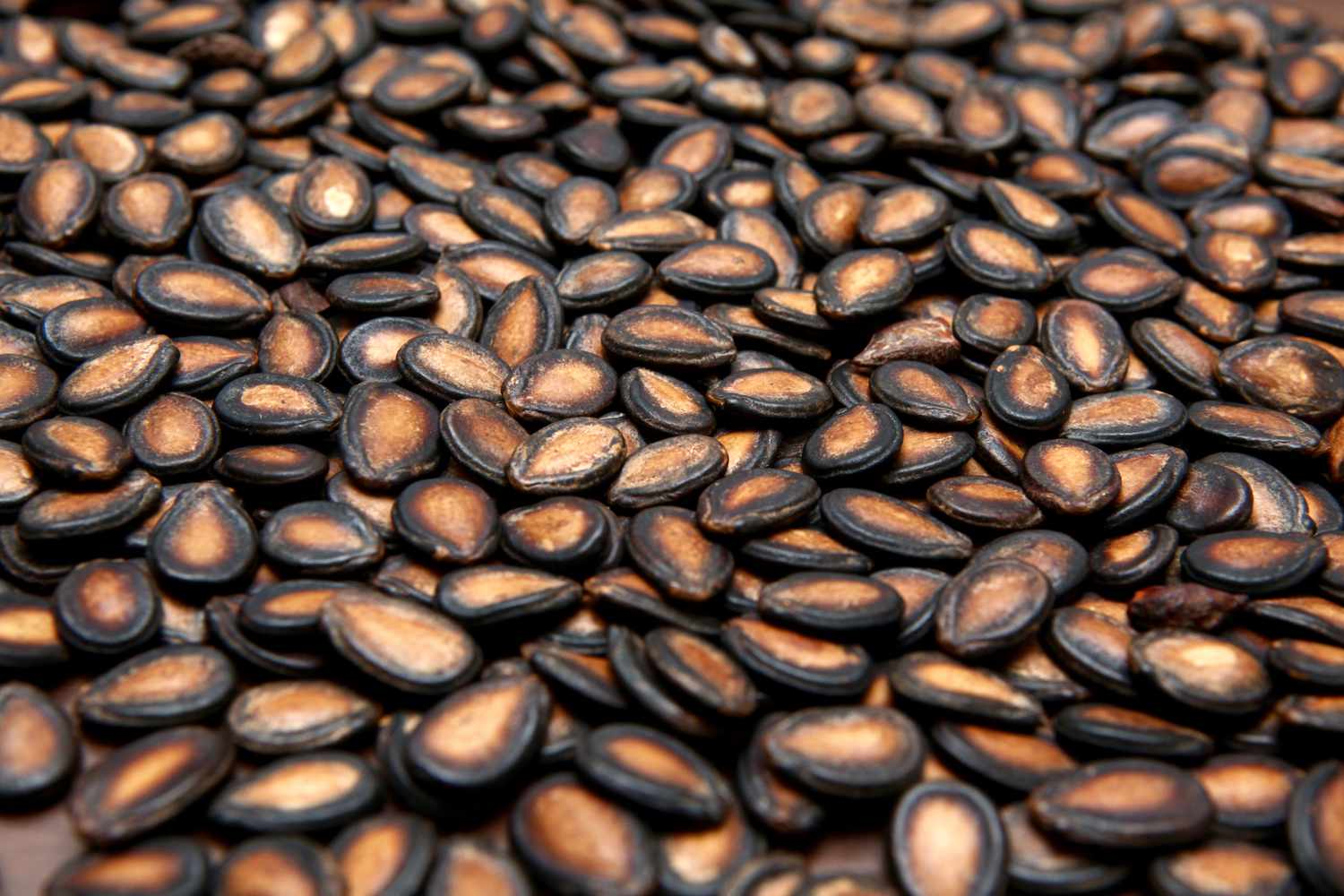
The raw material – muskmelon fruits – exhibits significant variability in seed composition. Seeds primarily consist of a seed coat (testa) composed of lignocellulose, an embryo containing proteins, lipids, and carbohydrates, and an endosperm providing initial nourishment. The lipid content, particularly linoleic and oleic acids, significantly influences seed viability and storage longevity. Manufacturing begins with fruit harvesting at physiological maturity, timing critical for optimal seed development. Extraction involves mechanical pulping followed by fermentation to remove mucilage adhering to the seeds. Fermentation parameters – pH, temperature, duration – must be precisely controlled to prevent damage to the seed coat and embryo. Washing and drying are subsequent steps, with drying methods (sun drying, forced-air drying) impacting seed moisture content, a key determinant of storage life. Seed drying is typically targeted to 7-8% moisture content. Further processing includes grading based on size and density, often employing sieve systems and air classifiers. Genetic purity is maintained through isolation distances during field production and stringent seed source verification protocols. Quality control at this stage involves laboratory testing for germination rate, purity, and the presence of seed-borne pathogens. The use of polymer coatings, incorporating fungicides and micronutrients, is a common practice to enhance germination and seedling vigor, requiring careful consideration of polymer compatibility and environmental impact.
Performance & Engineering
Seed performance is critically linked to germination rate, seedling vigor, and ultimately, crop yield. Germination rate is determined by seed viability, dormancy, and environmental conditions (temperature, moisture, oxygen). Engineering considerations encompass seed storage stability, packaging integrity, and the impact of coating materials on seed performance. Force analysis is relevant to seed handling during processing and packaging; minimizing mechanical damage is crucial. Environmental resistance focuses on seed tolerance to temperature fluctuations, humidity variations, and UV radiation during storage and transportation. Compliance requirements include adherence to phytosanitary regulations stipulated by importing countries (e.g., absence of seed-borne diseases like Fusarium oxysporum f. sp. melonis). Seed coatings are engineered to control water uptake, deliver nutrients, and protect against fungal pathogens. The coating material's permeability, adhesion strength, and biodegradability are key performance parameters. Seed lot uniformity, assessed through statistical sampling and germination testing, is vital for consistent crop establishment. Seed size and weight are also engineering parameters; larger seeds generally possess greater endosperm reserves, contributing to increased seedling vigor. Packaging design must prevent moisture ingress and physical damage during handling and transportation, often utilizing multi-layered films with barrier properties.
Technical Specifications
| Parameter | Unit | Specification (Standard Grade) | Specification (Premium Grade) |
|---|---|---|---|
| Germination Rate | % | ≥ 85 | ≥ 92 |
| Purity | % | ≥ 98 | ≥ 99.5 |
| Moisture Content | % | ≤ 8.0 | ≤ 7.0 |
| Seed Size (Average) | cm | 0.8 – 1.2 | 1.0 – 1.4 |
| Seed Weight (1000 Seeds) | g | 35 – 45 | 40 – 50 |
| Inert Matter | % | ≤ 2.0 | ≤ 0.5 |
Failure Mode & Maintenance
Failure modes in muskmelon seeds primarily relate to reduced germination and seedling vigor. Common causes include: (1) Mechanical damage during harvesting, processing, and packaging, leading to fractured seed coats and embryo injury. (2) Physiological deterioration due to improper drying or storage conditions (high temperature, humidity). This results in lipid peroxidation and loss of embryo viability. (3) Pathogen infection, particularly fungal species, causing seed decay and reduced germination. Alternaria cucumerina and Botrytis cinerea are common culprits. (4) Genetic degradation over successive generations of seed production if strict selection protocols are not followed. (5) Coating delamination or uneven distribution, compromising protective and nutritional benefits. Maintenance strategies involve strict quality control throughout the entire production process, from field selection to packaging. Seeds should be stored in cool, dry conditions (5-10°C, ≤ 60% relative humidity) in airtight containers. Regular germination testing is crucial to monitor seed viability over time. Implement robust sanitation procedures to minimize pathogen contamination. Employ seed treatments with appropriate fungicides and protectants. Seed lot traceability is essential for identifying and addressing quality issues. Periodic seed health testing should be conducted to detect and eliminate seed-borne diseases.
Industry FAQ
Q: What is the impact of seed coating composition on germination rate and seedling disease resistance?
A: Seed coating composition significantly impacts both. Polymers used as coating matrices influence water uptake kinetics; excessive water absorption can lead to seed swelling and cracking, while insufficient moisture limits germination. Fungicide incorporation provides protection against seed-borne and soil-borne pathogens. The choice of fungicide must consider pathogen spectrum, concentration, and potential phytotoxicity. Nutrient addition (e.g., micronutrients, growth promoters) can enhance seedling vigor. However, improper coating formulation or uneven application can hinder germination or create localized toxicity.
Q: How do different drying methods affect the longevity of muskmelon seeds?
A: Forced-air drying is generally superior to sun drying. Sun drying exposes seeds to fluctuating temperatures and UV radiation, accelerating deterioration. Forced-air drying, with controlled temperature and airflow, minimizes moisture gradients and prevents heat damage. Lowering the moisture content to 7-8% is critical for long-term storage. Seed longevity is further influenced by storage temperature; every 1°C decrease in storage temperature approximately doubles seed lifespan.
Q: What quality control measures are essential to ensure genetic purity of muskmelon seeds?
A: Strict isolation distances during field production are paramount to prevent cross-pollination. Seed source verification and documentation are crucial. Regular field inspections to remove off-type plants are essential. Laboratory analysis, including morphological and molecular marker assessments, should be conducted to confirm genetic purity. Grow-out tests, where seeds are grown to maturity, are used to verify varietal trueness.
Q: What are the common seed-borne diseases affecting muskmelon, and how are they managed?
A: Common seed-borne diseases include Fusarium oxysporum f. sp. melonis (causing Fusarium wilt), Alternaria cucumerina (causing early blight), and Botrytis cinerea (causing gray mold). Management strategies include seed treatment with fungicides, use of disease-free seed sources, and implementation of crop rotation practices. Seed health testing is crucial for detecting and eliminating infected seed lots.
Q: How does seed size correlate with seedling vigor and subsequent crop yield?
A: Larger seeds generally contain greater endosperm reserves, providing more nutrients to the developing embryo. This translates to increased seedling vigor, faster growth rates, and improved tolerance to stress. Seed size is not the sole determinant of yield; however, it can contribute to more uniform crop establishment and potentially higher yields, particularly under suboptimal growing conditions.
Conclusion
Muskmelon seed manufacturing is a complex process requiring rigorous control over material science, engineering principles, and quality assurance protocols. Achieving consistent germination rates, purity, and disease resistance necessitates meticulous attention to detail throughout the entire production chain, from field selection to final packaging. The price per kg is directly influenced by these quality parameters, reflecting the inherent value of high-performing seed.
Future trends in muskmelon seed production will likely focus on enhancing seed vigor through advanced coating technologies, developing disease-resistant cultivars via genetic engineering, and implementing precision agriculture techniques to optimize seed yield and quality. Adhering to international standards and prioritizing sustainable practices will be crucial for maintaining competitiveness in the global market.
