Introduction
Muskmelon seed production, and subsequently, price per kilogram, represent a critical nexus within the agricultural supply chain. This technical guide focuses on the factors impacting muskmelon seed quality, production methodologies, and pricing dynamics from a factory perspective. Muskmelon seeds ( Cucumis melo var. reticulatus) are not merely a biological propagation unit; they are a commodity subject to stringent quality control, genetic purity requirements, and adherence to international phytosanitary standards. The price per kilogram is directly influenced by seed variety (hybrids commanding higher prices), germination rates, physical purity, disease resistance, and the volume of production. This guide details these aspects, providing a comprehensive overview for procurement managers, agricultural engineers, and industry stakeholders involved in the muskmelon seed trade. The industry faces persistent challenges related to maintaining genetic integrity during large-scale production, minimizing seedborne disease transmission, and adapting to changing climatic conditions impacting yield and quality. Effective cost management in seed production is also paramount, driving innovation in harvesting, processing, and storage technologies to maintain competitive pricing.
Material Science & Manufacturing
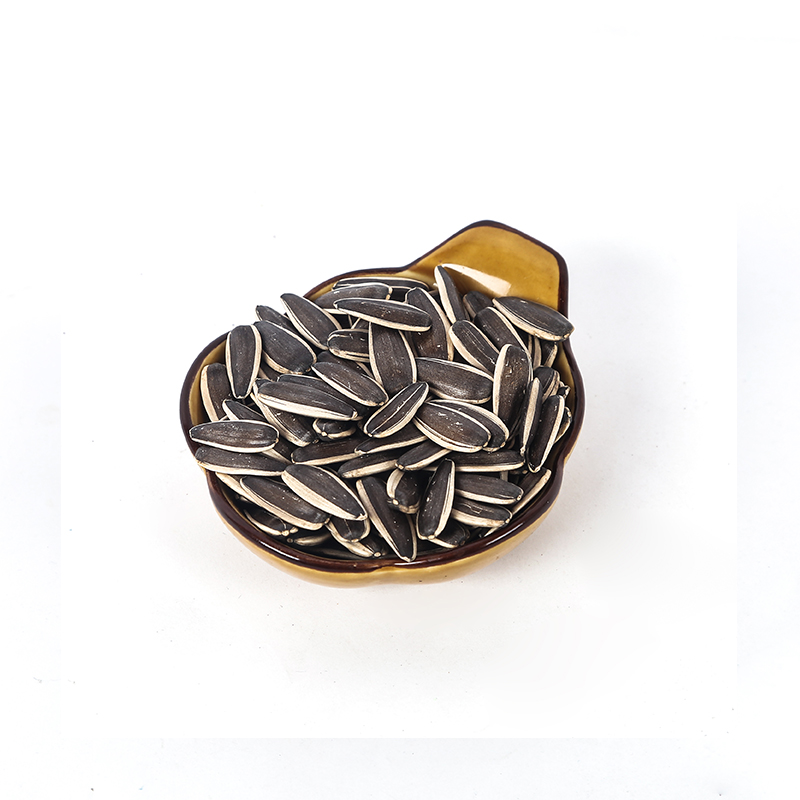
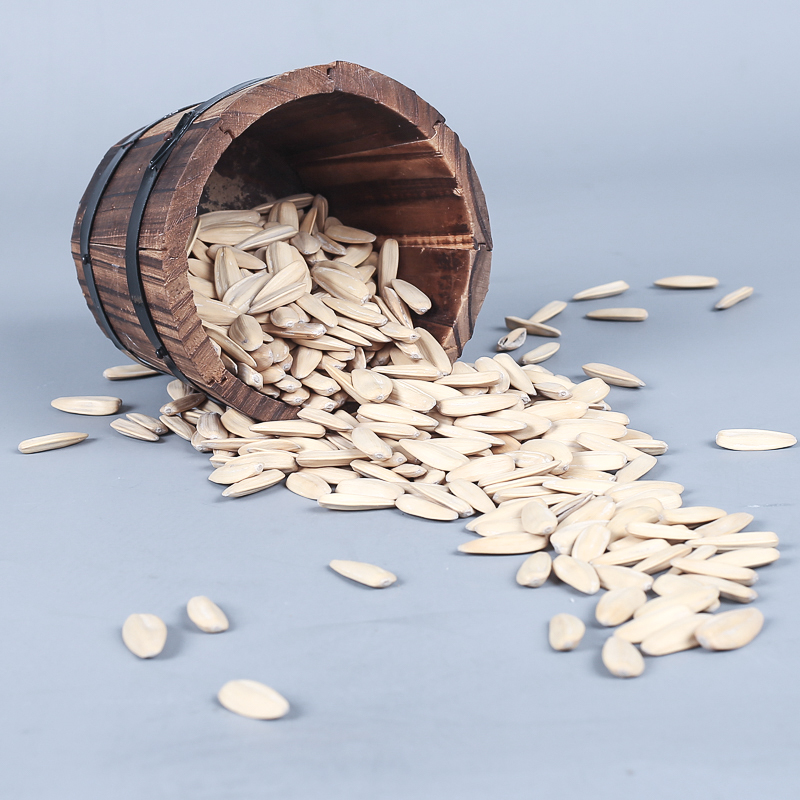
Muskmelon seed production begins with careful selection of parent lines exhibiting desirable traits. The raw material – the fruit itself – undergoes a complex maturation process influencing seed physiology. Seed coat composition, predominantly cellulose and lignin, dictates seed longevity and resistance to mechanical damage during processing. Physically, viable muskmelon seeds are oblong, typically 8-12mm in length and 5-8mm in width, with a pale tan to brown coloration. The endosperm, rich in lipids (15-25% by weight, primarily linoleic and oleic acids) and proteins (20-25%), provides the energy reserve for germination. Manufacturing involves harvesting mature fruits, extracting the seeds, washing to remove pulp residue, drying (typically to 7-8% moisture content), grading based on size and density, and treating with fungicides and insecticides to prevent fungal growth and insect infestation during storage. Drying is a critical parameter, typically accomplished using forced-air drying at controlled temperatures (40-45°C) to prevent thermal damage to the embryo. Seed coating with polymers (e.g., polyethylene glycol) is increasingly common to improve seed flowability, enhance germination uniformity, and deliver micronutrients. Quality control at each stage, including seed viability testing (tetrazolium testing, accelerated aging), germination testing (ISTA protocols), and purity analysis (visual inspection and seed counters), is essential. Seed storage requires low temperature (4-10°C) and humidity (50-60%) to maximize longevity, minimizing lipid peroxidation and preserving embryo viability.
Performance & Engineering
The performance of muskmelon seeds is fundamentally tied to their germination rate and subsequent seedling vigor. Germination rate is influenced by seed dormancy, which can be broken through stratification (cold, moist storage) or scarification (physical abrasion of the seed coat). Seedling vigor, a measure of early growth rate and establishment success, is a key determinant of crop yield. Engineering considerations include optimizing seed processing equipment to minimize seed damage (cracking, chipping) and maximizing throughput. The design of seed drying systems is critical to ensure uniform drying and prevent overheating. Environmental resistance is paramount; seeds must withstand temperature fluctuations during storage and transportation, as well as potential exposure to moisture and fungal pathogens. Compliance requirements are extensive, including adherence to regulations set by national plant protection organizations (e.g., USDA in the US, EFSA in Europe) regarding seed health and genetic purity. Seed labeling must comply with relevant legislation, providing information on seed variety, germination rate, purity, and treatment details. Furthermore, traceability systems are increasingly important to track seeds from origin to distribution, ensuring accountability and enabling rapid response to potential disease outbreaks. Force analysis during seed processing (e.g., impact forces during de-pulping and grading) is used to optimize equipment parameters and minimize seed damage.
Technical Specifications
| Seed Variety | Germination Rate (%) | Purity (%) | Moisture Content (%) |
|---|---|---|---|
| Hybrid F1 ‘Athena’ | 92 | 98 | 7.5 |
| Hybrid F1 ‘Olympus’ | 88 | 96 | 8.0 |
| Open-Pollinated ‘Honey Dew’ | 80 | 95 | 8.5 |
| Hybrid F1 ‘Galaxia’ | 95 | 99 | 7.0 |
| Hybrid F1 ‘Super Star’ | 85 | 97 | 7.8 |
| Open-Pollinated ‘Cantaloupe’ | 75 | 94 | 9.0 |
Failure Mode & Maintenance
Muskmelon seed failure can manifest in several ways. Primary failure modes include low germination rates due to seed dormancy, mechanical damage during processing (cracking leading to pathogen entry), fungal infection ( Alternaria, Fusarium, Colletotrichum are common pathogens), insect infestation (seed beetles), and genetic degradation over time. Seed deterioration is often linked to lipid peroxidation, leading to reduced embryo viability. Physiological aging, accelerated by high temperature and humidity, diminishes germination potential. Maintenance involves implementing rigorous quality control procedures throughout the production process. This includes regular cleaning and disinfection of processing equipment, maintaining optimal storage conditions (low temperature and humidity), and implementing effective pest management strategies. Seed treatment with fungicides and insecticides is crucial, but resistance development must be monitored. Regular viability testing is essential to track seed quality over time and identify potential issues. Seed lots exhibiting low germination rates or high levels of infection should be discarded. Proper seed packaging (airtight containers, moisture-proof materials) is essential to prevent moisture absorption and maintain seed quality during storage and transportation. A proactive approach to seed health management, including sourcing disease-free parent lines and implementing seed testing protocols, is critical to minimize failure rates.
Industry FAQ
Q: What is the impact of seed coating on price per kg?
A: Seed coating adds cost due to the coating materials and application process. However, it can justify a higher price per kg by improving seed flowability for automated planting, enhancing germination uniformity, and delivering beneficial nutrients or pest protection. The specific coating material and its benefits directly influence the price premium.
Q: How does genetic purity affect the market price of muskmelon seeds?
A: Genetic purity is paramount. Seeds from stable, homozygous lines, or well-defined hybrids, command higher prices than those with uncertain genetic backgrounds. Maintaining genetic purity requires meticulous breeding programs and rigorous quality control measures throughout the seed production process. Certification by recognized seed certifying agencies further increases value.
Q: What are the typical shelf-life limitations for muskmelon seeds, and how are they addressed?
A: Muskmelon seeds generally maintain high viability for 3-5 years under optimal storage conditions (4-10°C, 50-60% RH). Beyond this, germination rates decline. To address this, seed companies employ strategies like periodic viability testing, seed lot rotation (first-in, first-out), and encouraging customers to use seeds within recommended timelines.
Q: How do international phytosanitary regulations impact the cost and availability of seeds?
A: Phytosanitary regulations (e.g., ISPM 8) require seed testing for specific pathogens and pests. Compliance adds cost due to testing fees and potential treatments (e.g., hot water treatment). Strict regulations can also limit the availability of certain seed varieties if they are not permitted for import into specific countries.
Q: What role does seed size play in determining price, and how is it controlled during processing?
A: Uniform seed size is desirable for precise planting and consistent emergence. Larger seeds generally have more reserves and can exhibit stronger vigor, potentially justifying a slight price premium. Size grading is performed during processing using sieves and air separators to ensure a consistent seed size distribution.
Conclusion
The price per kilogram of muskmelon seeds is a complex metric influenced by a multifaceted interplay of material science, manufacturing precision, and adherence to rigorous quality standards. Maintaining genetic purity, optimizing seed processing techniques, and controlling storage conditions are crucial for maximizing seed viability and minimizing failure rates.
Looking ahead, advancements in seed coating technologies, precision seed treatment, and genomic selection will likely further refine seed quality and enhance yields. Greater emphasis on sustainable seed production practices, including reducing pesticide use and conserving water resources, will also shape the future of the industry. Proactive adaptation to evolving phytosanitary regulations and climate change impacts will be essential for ensuring a stable and reliable supply of high-quality muskmelon seeds.
