Introduction
Muskmelon seed production and pricing per kilogram represent a crucial nexus in the agricultural supply chain, bridging horticultural innovation with global market demands. Muskmelon ( Cucumis melo) seeds, categorized within the Cucurbitaceae family, are not merely propagative material; they embody genetic potential directly impacting yield, disease resistance, fruit quality, and ultimately, profitability for growers. Factories specializing in muskmelon seed production are complex operations encompassing breeding programs, seed extraction, cleaning, drying, grading, treatment, and packaging. The price per kilogram of these seeds is determined by a confluence of factors including cultivar, seed quality (germination rate, purity), seed treatment (e.g., fungicide coatings), quantity ordered, and market dynamics influenced by regional demand, competition, and production costs. This guide provides an in-depth examination of the material science, manufacturing processes, performance characteristics, potential failure modes, and industry standards governing muskmelon seed production, with a focus on the factors driving price fluctuations and quality control within factories.
Material Science & Manufacturing
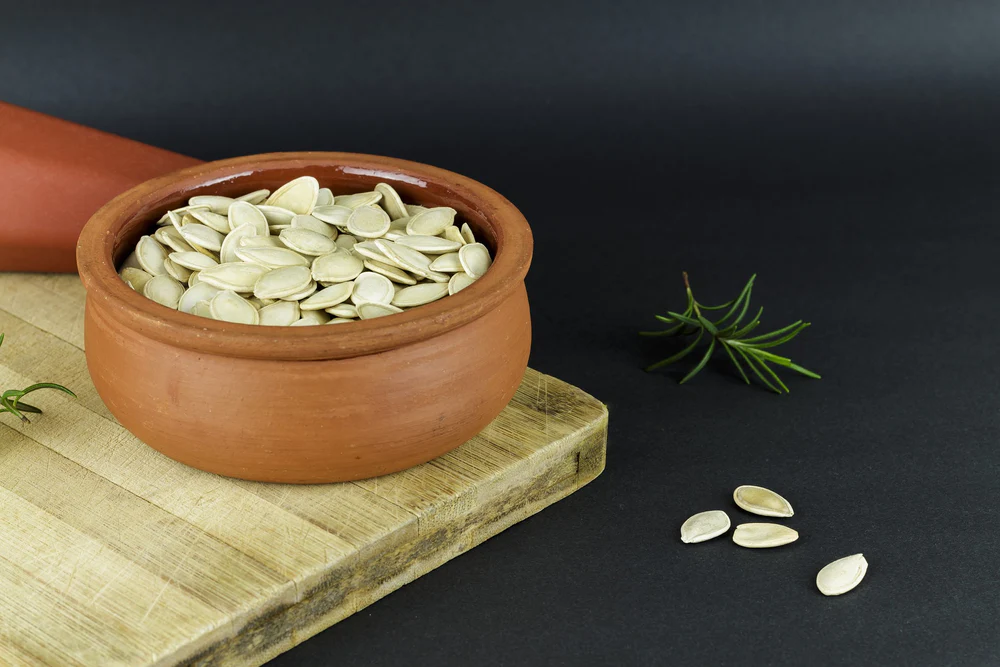
Muskmelon seed composition primarily comprises an embryo, endosperm (storage tissue rich in oils and proteins), and a seed coat (testa). The testa, composed of lignocellulose, provides physical protection against mechanical damage and environmental stressors. Seed oil content, typically ranging from 20-40% depending on the cultivar, is a critical factor influencing seed viability and seedling vigor. The oil is rich in linoleic acid, an essential fatty acid. The protein content, around 25-35%, contributes to seedling growth. Manufacturing begins with controlled pollination, often utilizing hand-pollination techniques to ensure genetic purity and prevent cross-contamination. Fruit are harvested at physiological maturity, allowing for full seed development. Seed extraction involves mechanical pulping, followed by fermentation to remove adhering pulp tissue. Fermentation duration and temperature are critical parameters influencing seed quality. Subsequent cleaning utilizes a series of screens and air separators to remove debris and lighter impurities. Seed drying is paramount to ensure longevity; low-moisture content (typically below 8%) inhibits metabolic activity and prevents seed deterioration. Drying methods include forced-air drying and fluidized bed drying, with temperature control vital to avoid thermal damage. Grading separates seeds based on size and weight, indicative of vigor and uniformity. Seed treatment with fungicides and insecticides offers protection against soil-borne pathogens and pests. Packaging utilizes moisture-proof materials (e.g., aluminum foil laminates) to maintain seed viability during storage and transport.
Performance & Engineering
The performance of muskmelon seeds is fundamentally tied to germination rate, seedling vigor, and ultimately, fruit yield. Germination rate, expressed as a percentage, is assessed under controlled laboratory conditions (temperature, moisture, light). Seed vigor, a measure of seedling growth potential, is evaluated through accelerated aging tests and seedling growth rate assessments. Force analysis concerning seed handling during processing focuses on minimizing mechanical damage during extraction, cleaning, and grading. Seed coat integrity is paramount; excessive force can cause micro-cracks, compromising seed viability. Environmental resistance is achieved through seed treatments that protect against fungal pathogens (e.g., Fusarium, Alternaria) prevalent in soil. Compliance requirements vary by region, encompassing seed certification standards (e.g., adherence to varietal purity standards), phytosanitary regulations (preventing the spread of invasive species), and labeling requirements (including germination rate, net weight, and seed treatment information). Functional implementation regarding seed coating involves precise application of fungicides, insecticides, and sometimes, plant growth promoters to enhance performance. The coating must adhere uniformly to the seed surface without impeding water uptake during germination. Particle size and distribution of coating materials are critical parameters impacting efficacy and handling characteristics.
Technical Specifications
| Cultivar | Germination Rate (%) | Purity (%) | Moisture Content (%) | Oil Content (%) | 1000-Seed Weight (g) |
|---|---|---|---|---|---|
| 'Honey Dew' | 92 | 99 | 7.5 | 32 | 28 |
| 'Cantaloupe' | 88 | 98 | 8.0 | 28 | 30 |
| 'Galileo' | 95 | 99.5 | 7.0 | 35 | 25 |
| 'Ananas' | 90 | 97 | 8.5 | 30 | 27 |
| 'Sugar Baby' | 85 | 96 | 9.0 | 25 | 32 |
| 'Halo' | 93 | 99 | 7.8 | 33 | 26 |
Failure Mode & Maintenance
Muskmelon seed failure modes encompass several mechanisms. Mechanical damage during processing, as mentioned previously, can create entry points for pathogens, reducing viability. Insect infestation during storage can result in seed consumption and reduced germination rates. Improper drying or storage conditions lead to increased moisture content, activating enzymatic activity and accelerating seed deterioration. The development of fungal pathogens (e.g., Botrytis, Rhizoctonia) can render seeds non-viable. Genetic deterioration over successive generations in open-pollinated varieties reduces vigor and yield potential. Maintenance strategies within factories focus on rigorous quality control at each stage of production. This includes regular equipment calibration, sanitation protocols to prevent contamination, temperature and humidity monitoring during drying and storage, and periodic seed viability testing. Proper seed storage requires cool, dry conditions (ideally below 15°C and 50% relative humidity) in airtight containers. Seed treatment with fungicides and insecticides remains a crucial preventative measure. Implementing a robust seed traceability system allows for rapid identification and isolation of potentially compromised seed lots. Regular inspection for insect pests and prompt implementation of pest control measures are also essential.
Industry FAQ
Q: What is the impact of seed coating on seed price per kilogram?
A: Seed coating adds value through enhanced disease protection and improved seedling vigor, justifying a higher price per kilogram. The cost of coating materials (fungicides, polymers, etc.) and the application process contribute to the overall expense. The specific coating formulation and its effectiveness also play a role in price determination.
Q: How does the genetic purity of a muskmelon cultivar affect its price?
A: Higher genetic purity, verified through rigorous testing, commands a premium price. Seed factories investing in breeding programs and maintaining strict quality control measures to ensure varietal trueness can charge more for their seeds. Genetic purity directly translates to consistent fruit quality and yield for growers.
Q: What is the role of seed certification in determining price and ensuring quality?
A: Seed certification, conducted by accredited agencies, verifies adherence to established standards for germination rate, purity, and varietal identity. Certified seeds are generally more expensive but offer growers assurance of quality and performance. Certification provides a level of legal protection against misrepresentation.
Q: How do fluctuations in oil content within muskmelon seeds impact their price and seedling vigor?
A: Higher oil content generally correlates with increased seedling vigor and improved stress tolerance, leading to a higher price per kilogram. Oil provides energy reserves for seedling development. Factories employing breeding programs to enhance oil content can command a premium.
Q: What quality control measures are essential to minimize seed deterioration during storage and transport?
A: Essential measures include maintaining low moisture content (below 8%), storing seeds in airtight, moisture-proof containers, controlling temperature (below 15°C), and protecting seeds from physical damage during handling and transport. Regular viability testing is also crucial to monitor seed quality over time.
Conclusion
The production and pricing of muskmelon seeds per kilogram are governed by a complex interplay of material science principles, meticulous manufacturing processes, and stringent quality control measures. Optimizing seed quality – encompassing germination rate, purity, vigor, and disease resistance – is paramount for both seed factories and growers. Investing in advanced breeding programs, implementing rigorous quality control protocols, and adhering to international standards are crucial for maximizing profitability and ensuring a sustainable supply of high-performing muskmelon seeds.
The future of muskmelon seed production will likely see increasing adoption of precision seed treatment technologies, incorporating biostimulants and beneficial microbes to further enhance seedling vigor and stress tolerance. Furthermore, advancements in seed coating materials and controlled-release formulations will play a key role in optimizing nutrient delivery and disease protection. Continued research into genetic improvement, focusing on traits such as drought resistance and improved fruit quality, will be essential for adapting to changing climatic conditions and meeting evolving consumer demands.
