Introduction
Muskmelon seed export, priced per kilogram, is a complex undertaking governed by agricultural science, international trade regulations, and a demanding market focused on seed viability, genetic purity, and disease resistance. This guide provides a comprehensive overview of the critical factors influencing muskmelon seed quality, production, and export. The muskmelon ( Cucumis melo ) seed market serves a diverse range of clients, from large-scale agricultural operations to smaller horticultural businesses and home gardeners. Price per kg is heavily influenced by cultivar, seed treatment, certification levels, and origin. Successful exporting requires a deep understanding of seed physiology, rigorous quality control processes, and adherence to phytosanitary standards. This document will cover material science related to seed structure, manufacturing processes impacting seed quality, performance characteristics related to germination and seedling vigor, common failure modes, and relevant international standards. The increasing demand for specialized muskmelon varieties and organic seeds further complicates the export landscape, necessitating meticulous attention to detail throughout the supply chain.
Material Science & Manufacturing
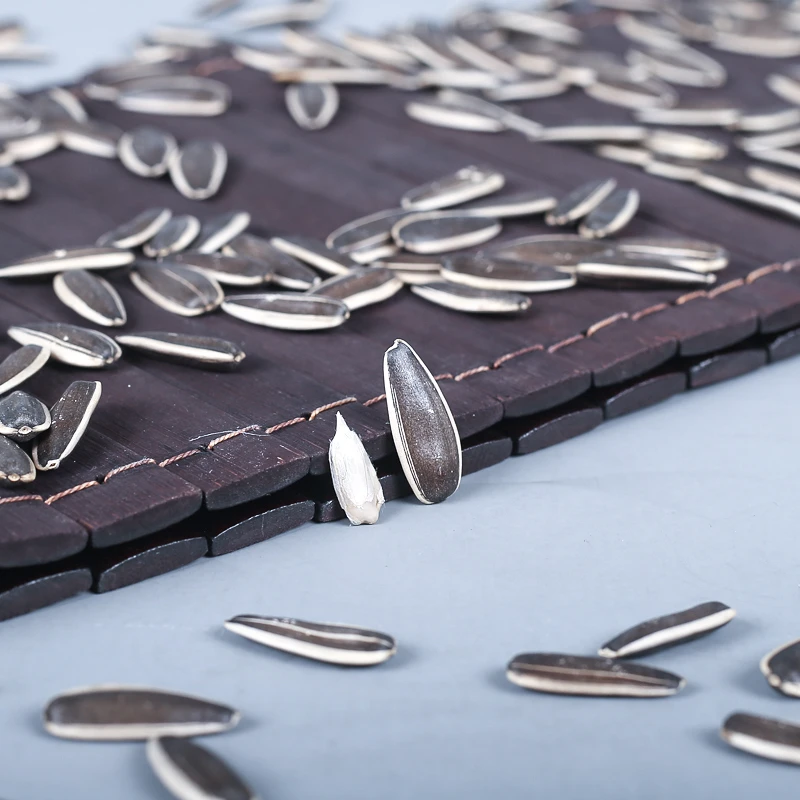
Muskmelon seeds are composed primarily of the embryo, endosperm (providing nutrient reserves), and a seed coat (testa) offering physical protection. The testa consists of multiple layers, including the cuticle, epidermis, and hypodermis, varying in composition based on cultivar. Chemically, the seed coat is rich in polysaccharides (primarily cellulose and hemicellulose) providing structural integrity, and lipids contributing to impermeability. The embryo contains proteins, carbohydrates, and lipids crucial for germination. Raw material selection, focusing on healthy, mature fruits with well-developed seeds, is paramount. Harvesting timing significantly impacts seed viability; seeds harvested at physiological maturity exhibit the highest germination rates. Manufacturing involves several stages: extraction from the fruit, cleaning (removing pulp and debris), drying (reducing moisture content to approximately 7-8% for optimal storage), grading (based on size and weight), and treatment (often with fungicides or insecticides). Drying is critical; improper drying leads to seed dormancy issues or fungal growth. Controlled drying environments utilizing forced air at moderate temperatures (35-40°C) are preferred. Grading ensures uniformity and facilitates mechanical sowing. Seed treatment formulations must be compatible with the seed coat and not inhibit germination. Parameters such as seed moisture content, purity, germination rate, and seedling vigor are continuously monitored throughout the process. Specific attention is given to minimizing mechanical damage during extraction and processing, as cracks in the seed coat compromise viability.
Performance & Engineering
The core performance characteristic of muskmelon seeds is germination rate, typically assessed under controlled laboratory conditions (temperature, humidity, light). However, field emergence rates often differ due to soil conditions, moisture availability, and pest pressure. Seed vigor, a measure of seedling growth rate and strength, is a critical engineering consideration. Vigor is influenced by seed size, endosperm reserve levels, and seed coat integrity. Environmental resistance is crucial; seeds must withstand temperature fluctuations during storage and transport, and seedlings must tolerate variations in soil moisture and salinity. Compliance requirements vary by importing country, often involving phytosanitary certifications demonstrating freedom from specific pathogens and pests. Force analysis is relevant during mechanical sowing; seed coat strength must withstand the impact force without fracturing. Seed treatments are engineered to provide protection against soilborne pathogens, insects, and birds. The compatibility of seed treatments with different soil types and agricultural practices is essential. Seed pelleting, coating seeds with inert materials, improves handling and protects against mechanical damage, but requires careful formulation to avoid inhibiting germination. Seed longevity is engineered through optimized storage conditions, typically low temperature (5-10°C) and low humidity (40-60%). Maintaining these conditions is vital for preserving seed viability over extended periods. Seed size distribution affects planting precision and seedling uniformity.
Technical Specifications
| Parameter | Unit | Typical Value (Cultivar Dependent) | Test Method |
|---|---|---|---|
| Germination Rate | % | 85-95 | ISTA Procedure |
| Purity | % | 98-100 | ISTA Procedure |
| Moisture Content | % | 7-8 | ISTA Procedure |
| 1000 Seed Weight | g | 20-30 | Gravimetric Analysis |
| Seed Vigor Index | - | 60-80 | Seedling Growth Rate Measurement |
| Disease Resistance (Powdery Mildew) | % Resistance | Variable (Cultivar Specific) | Pathogen Challenge Testing |
Failure Mode & Maintenance
Common failure modes for muskmelon seeds include: 1) Mechanical Damage: Cracking or chipping of the seed coat during handling, processing, or sowing, leading to reduced germination or seedling death. 2) Pathogen Infection: Fungal or bacterial contamination during storage or transit causing seed decay or damping-off of seedlings. 3) Insect Damage: Infestation by storage pests resulting in seed consumption or physical damage. 4) Physiological Deterioration: Loss of viability due to aging, improper drying, or exposure to high temperatures or humidity. 5) Dormancy Issues: Incomplete or delayed germination due to unfavorable environmental conditions or insufficient seed conditioning. 6) Genetic Degradation: Over successive generations of seed production, loss of genetic purity and vigor. Maintenance strategies involve: 1) Controlled Storage: Maintaining low temperature (5-10°C) and low humidity (40-60%) to minimize physiological deterioration. 2) Regular Pest Monitoring: Implementing pest control measures to prevent insect infestation. 3) Seed Treatment: Applying appropriate fungicides and insecticides to protect against pathogens and pests. 4) Quality Control: Regularly testing seed viability, purity, and vigor. 5) Proper Handling: Minimizing mechanical damage during handling and processing. 6) Seed Replacement: Utilizing fresh seed stocks to maintain genetic purity and vigor. Implementing a robust traceability system is crucial for identifying and addressing the root cause of seed failures.
Industry FAQ
Q: What is the acceptable tolerance for seed admixture in a commercial export shipment?
A: ISTA (International Seed Testing Association) guidelines typically specify a maximum tolerance of 0.5% for other crop seeds and 0.1% for weed seeds. However, importing countries may have stricter requirements, which must be verified prior to shipment. Exceeding these limits can lead to rejection of the shipment.
Q: How does seed treatment impact the price per kg of muskmelon seeds?
A: Seed treatment adds to the production cost due to the expense of the treatment chemicals and the application process. The type of treatment (fungicide, insecticide, polymer coating) significantly impacts the cost. Generally, seeds with multiple treatments will have a higher price per kg compared to untreated seeds. Organic certification, requiring approved organic treatments, also increases costs.
Q: What are the key phytosanitary certifications required for exporting muskmelon seeds to the European Union?
A: The European Union requires a Phytosanitary Certificate confirming the seeds are free from quarantine pests as defined by EU legislation. Specific requirements vary depending on the origin country and the muskmelon variety. Testing for Fusarium oxysporum f. sp. melonis and Clavibacter michiganensis subsp. melonis is often mandatory.
Q: How does seed size distribution affect planting uniformity in large-scale agricultural operations?
A: Uniform seed size distribution is crucial for precise mechanical sowing. Variations in seed size can lead to inconsistent planting depth and spacing, resulting in uneven emergence and reduced yield. Grading seeds to a narrow size range ensures optimal performance with pneumatic seeders and other automated planting equipment.
Q: What is the expected shelf life of properly stored muskmelon seeds, and what factors influence longevity?
A: Under optimal storage conditions (5-10°C and 40-60% humidity), muskmelon seeds can retain acceptable viability for 3-5 years. However, longevity is influenced by cultivar, initial seed quality, storage temperature, and humidity. Higher temperatures and humidity accelerate deterioration. Regular viability testing is recommended to monitor seed quality over time.
Conclusion
The successful export of muskmelon seeds, priced per kilogram, hinges on a meticulous understanding of seed biology, rigorous quality control throughout the production chain, and adherence to stringent international standards. Maintaining optimal seed viability and vigor requires careful attention to harvesting, drying, grading, treatment, and storage. The increasing demand for high-quality, certified seeds necessitates continuous investment in research and development to improve seed performance and disease resistance.
Future trends in the muskmelon seed export market include a growing demand for organic and hybrid varieties, increased emphasis on traceability and supply chain transparency, and the adoption of advanced seed technologies such as seed pelleting and seed priming. Exporters who proactively address these challenges and prioritize quality and sustainability will be best positioned to capitalize on emerging opportunities.
