Introduction
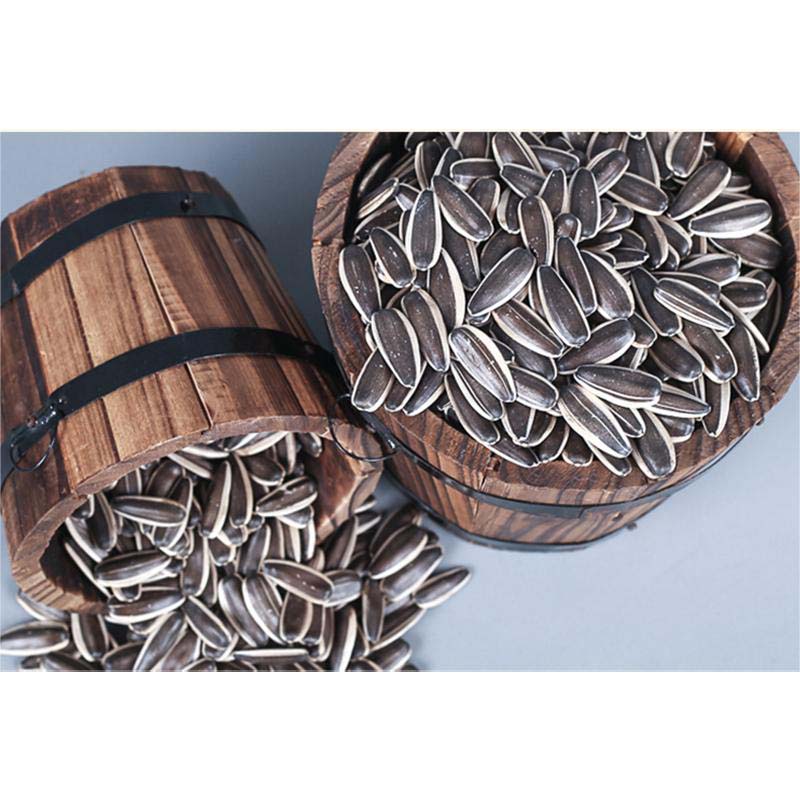
Muskmelon seeds for eating, categorized as Cucumis melo var. reticulatus seeds, represent a specific segment within the agricultural commodity market focused on direct human consumption. These seeds differ significantly from those cultivated for oil extraction or further processing. The technical position in the supply chain involves careful sourcing, processing (drying, cleaning, grading), quality control, and packaging to meet stringent food safety and palatability standards. Core performance characteristics are defined by germination rate (for suppliers also providing seeds for planting), seed size uniformity, moisture content, absence of contaminants (mycotoxins, pesticides), and, crucially, eating quality—specifically, the texture, flavor profile, and lack of bitterness in the resulting seed kernel. A primary industry pain point is maintaining consistent eating quality across batches, influenced by cultivar, growing conditions, and post-harvest handling. Another is mitigating the risk of aflatoxin contamination, a significant food safety concern requiring rigorous testing and preventative measures.
Material Science & Manufacturing
Muskmelon seeds are primarily composed of lipids (approximately 30-45%), proteins (25-35%), carbohydrates (10-15%), and fiber (5-10%), with trace amounts of vitamins and minerals. The lipid component consists largely of unsaturated fatty acids, contributing to their palatability. The seed coat, a critical protective structure, is composed of cellulose, hemicellulose, and lignin, providing a barrier against moisture and physical damage. Manufacturing begins with harvesting mature muskmelons. Seeds are then extracted, washed to remove adhering pulp, and dried. Drying is a critical parameter, typically performed using forced-air dryers, and must be carefully controlled to maintain seed viability and prevent lipid oxidation. Optimal moisture content is typically between 8-10%. Cleaning processes, involving sieving and air separation, remove debris and immature seeds. Grading is performed based on size and visual quality, often utilizing automated optical sorting systems. Key parameter control during manufacturing centers around temperature during drying (avoiding exceeding 50°C to prevent lipid degradation), seed moisture content (monitored continuously), and contaminant levels (assessed through laboratory testing). The presence of hulls impacts texture and perceived quality; the extent of hull removal during processing is therefore a controlled variable. Chemical compatibility concerns center around the avoidance of cleaning agents that could leave residues or alter the seed's flavor profile.
Performance & Engineering
Performance evaluation of muskmelon seeds for eating focuses on several key areas. First, textural analysis assesses the seed's hardness and brittleness, influencing the eating experience. This is typically measured using compression tests. Second, sensory evaluation, employing trained panels, quantifies flavor intensity, bitterness, and overall acceptability. Bitterness is a critical defect, often attributed to cucurbitacins present in the seed coat. Environmental resistance is less of a concern for the final product, but important for storage. Seeds are susceptible to moisture absorption and oxidation, necessitating airtight packaging and controlled storage temperatures (below 20°C). Compliance requirements include adherence to food safety regulations, such as those established by the FDA (US) or EFSA (Europe), encompassing limits on pesticide residues, mycotoxins (specifically aflatoxins), and heavy metals. Functional implementation relies on proper seed hydration during consumption. Optimal hydration enhances flavor release and textural properties. Force analysis during chewing assesses the energy required to fracture the seed, correlating with perceived crispness. Lipid oxidation can lead to rancidity; therefore, antioxidant packaging materials and storage conditions are engineered to minimize this degradation pathway.
Technical Specifications
| Parameter | Unit | Typical Range | Testing Method |
|---|---|---|---|
| Moisture Content | % (w/w) | 8.0 – 10.0 | Oven Drying (AOAC) |
| Lipid Content | % (w/w) | 30 – 45 | Soxhlet Extraction (AOAC) |
| Protein Content | % (w/w) | 25 – 35 | Kjeldahl Method (AOAC) |
| Aflatoxin B1 | ppb | < 20 | HPLC-FLD (AOAC) |
| Seed Size (Average Length) | mm | 8 – 12 | Sieve Analysis |
| Germination Rate (for planting seed portion of supply) | % | >85 | Standard Germination Test (ISTA) |
Failure Mode & Maintenance
Failure modes in muskmelon seeds for eating primarily relate to quality degradation during storage and handling. Lipid oxidation is a significant failure mechanism, leading to rancidity and off-flavors. This is accelerated by exposure to oxygen, light, and elevated temperatures. Another failure mode is moisture absorption, causing the seeds to become soft and susceptible to microbial growth. Physical damage during processing or transportation can result in cracked seeds, increasing vulnerability to oxidation and contamination. Aflatoxin contamination represents a critical safety failure mode, stemming from fungal growth during pre-harvest or post-harvest stages. Maintenance (preventative measures) involves airtight packaging (utilizing materials with low oxygen transmission rates), storage in cool, dry, and dark conditions, and regular monitoring of moisture content and aflatoxin levels. Implementing a robust HACCP (Hazard Analysis and Critical Control Points) plan is crucial for mitigating food safety risks. For suppliers providing seeds for planting, maintaining genetic purity and viability requires controlled breeding programs and adherence to seed certification standards. Addressing bitterness involves careful cultivar selection and rigorous quality control during seed sourcing.
Industry FAQ
Q: What are the critical control points for aflatoxin contamination in muskmelon seeds?
A: The most critical control points are sourcing seeds from regions with low aflatoxin prevalence, implementing rigorous field sanitation practices to minimize fungal infection, proper drying of the seeds to a low moisture content (below 10%), and conducting regular aflatoxin testing using sensitive methods like HPLC-FLD. Storage conditions are also paramount; seeds must be stored in airtight containers in a cool, dry environment.
Q: How does seed size uniformity impact the eating experience?
A: Seed size uniformity contributes to a consistent textural experience during consumption. Larger variations in seed size can result in some seeds being overly hard or difficult to chew, while others may be too soft. Uniformity also improves the efficiency of processing operations like grading and packaging.
Q: What packaging materials are recommended to prevent lipid oxidation?
A: Packaging materials with low oxygen permeability and good barrier properties against light are recommended. Multi-layer films incorporating aluminum foil or metallized layers are highly effective. Vacuum packaging or modified atmosphere packaging (MAP) with nitrogen flushing can further reduce oxidation rates. Adding antioxidant compounds to the packaging material is also a viable strategy.
Q: What is the significance of the germination rate specification, even for seeds intended for eating?
A: While not directly relevant to eating quality, a high germination rate indicates seed viability and genetic integrity. Some suppliers may offer a portion of their harvest for planting, and the germination rate serves as a key quality indicator. It also indirectly reflects the overall health and vigor of the seeds.
Q: How can bitterness in muskmelon seeds be minimized?
A: Bitterness is primarily attributed to cucurbitacins. Minimizing bitterness involves selecting cultivars bred for low cucurbitacin content, employing careful harvesting practices (avoiding stressed plants), and potentially implementing post-harvest treatments to reduce cucurbitacin levels (though this requires careful consideration to avoid affecting other quality attributes).
Conclusion
Muskmelon seeds for eating represent a specialized agricultural product requiring precise control across the entire supply chain, from cultivar selection to packaging and storage. Maintaining consistent eating quality, minimizing aflatoxin contamination, and preventing lipid oxidation are paramount concerns for suppliers. Rigorous adherence to food safety regulations, implementation of quality control measures, and careful attention to material science principles are essential for delivering a safe and palatable product.
The future of this market likely hinges on advancements in breeding programs focused on reducing bitterness and enhancing flavor profiles, alongside the development of innovative packaging technologies to extend shelf life and preserve freshness. A deeper understanding of the biochemical pathways contributing to seed quality will also be crucial for optimizing processing techniques and mitigating potential failure modes.
