Introduction
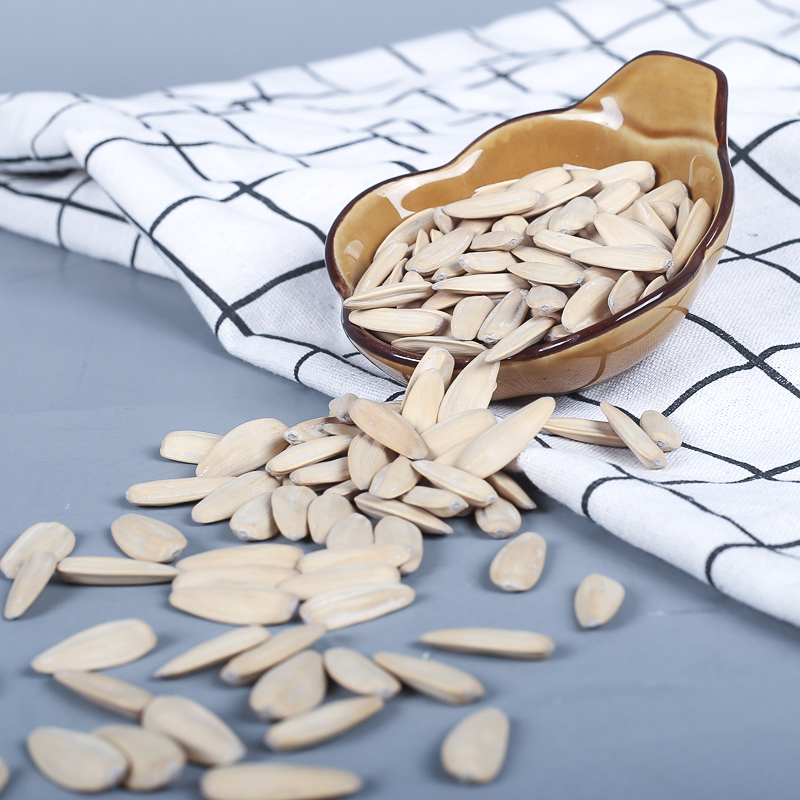
Muskmelon seeds for eating products represent a specialized segment within the agricultural commodity market, focusing on seeds harvested from mature muskmelons ( Cucumis melo) specifically prepared for direct human consumption. Distinct from seeds intended for replanting, these seeds undergo processing including cleaning, drying, and often flavoring to enhance palatability. Technically, they constitute a concentrated source of plant-based proteins, fats, and micronutrients. Their position in the food chain is as a snack food or ingredient, appealing to consumers seeking nutritious and convenient options. Core performance characteristics revolve around seed size consistency, oil content, protein digestibility, and freedom from contaminants. The industry faces challenges concerning consistent seed development across diverse cultivars, maintaining seed integrity during processing, and mitigating risks associated with mycotoxin presence and allergenicity.
Material Science & Manufacturing
The primary raw material, muskmelon seeds, exhibit a complex chemical composition. The seed coat, approximately 20-30% of the seed mass, consists predominantly of cellulose, hemicellulose, and lignin, providing structural rigidity and acting as a barrier against moisture and physical damage. The endosperm, constituting 50-60%, is rich in oil (typically 30-50% unsaturated fatty acids – linoleic, oleic) and protein (20-30%, predominantly globulins and albumins). Embryo development is reliant on stored lipids and proteins within the cotyledons. Manufacturing begins with seed extraction from mature fruit, followed by rigorous cleaning to remove pulp residue. Drying is crucial, typically employing low-temperature air drying to prevent lipid oxidation and maintain protein integrity (target moisture content <8%). Roasting is a common processing step, activating flavor compounds through Maillard reactions and improving texture (crispness). Flavoring involves coating seeds with salt, spices, or other edible additives. Quality control measures include regular sampling for moisture content, oil acidity, protein levels, and microbial contamination. Seed grading is performed based on size and visual appearance, utilizing sieves and optical sorting technology. Parameter control focuses on maintaining optimal drying temperatures, roasting times, and flavoring adhesion to ensure product quality and shelf life.
Performance & Engineering
The structural integrity of muskmelon seeds is paramount to their performance as a snack food. Force analysis focuses on fracture resistance during mastication – the seed coat must withstand initial compressive forces before fracturing, releasing the internal oils and proteins. Environmental resistance is primarily concerned with moisture uptake, which can lead to rancidity and microbial growth. Proper packaging (typically moisture-barrier films) is essential to maintain product quality during storage and transportation. Compliance requirements are dictated by food safety regulations, including limits on heavy metal content (lead, cadmium), pesticide residues, and mycotoxin levels (aflatoxins). Functional implementation centers on maximizing the bioavailability of nutrients. Roasting, for instance, can improve protein digestibility by denaturing proteins and reducing antinutritional factors. Lipid oxidation is a key degradation pathway, necessitating the addition of antioxidants (e.g., Vitamin E) to extend shelf life. Packaging materials must also adhere to regulations regarding food contact materials, ensuring the absence of migration of harmful substances into the product. The hardness of the seed shell, measured using a compression tester, directly impacts consumer acceptance and mouthfeel.
Technical Specifications
| Parameter | Unit | Typical Value | Testing Method |
|---|---|---|---|
| Moisture Content | % | < 6.5 | Oven Drying (GB 5005-2008) |
| Oil Content | % | 35 – 45 | Soxhlet Extraction (AOAC 920.39) |
| Protein Content | % | 22 – 30 | Kjeldahl Method (ISO 8968-1) |
| Acid Value | mg KOH/g | < 3.0 | Titration (AOCS Cd 3-63) |
| Peroxide Value | meq O2/kg | < 5.0 | Titration (AOCS Cd 8-53) |
| Seed Size (Average Diameter) | mm | 8 – 12 | Sieve Analysis (ASTM E11) |
Failure Mode & Maintenance
Failure modes in muskmelon seeds for eating products typically stem from degradation of lipids, proteins, and seed coat integrity. Rancidity, caused by lipid oxidation, is a primary concern, resulting in off-flavors and reduced nutritional value. This is exacerbated by exposure to oxygen, light, and elevated temperatures. Seed coat cracking, induced by thermal stress during roasting or mechanical damage during handling, compromises moisture barrier properties and accelerates oxidation. Microbial contamination, particularly with molds producing mycotoxins (aflatoxins), poses a significant health risk. Delamination of the seed coat from the endosperm can occur due to improper drying or excessive roasting. Maintenance and preventative measures focus on proper storage conditions (cool, dry, dark environment), packaging in moisture-barrier materials, and implementing rigorous quality control procedures throughout the manufacturing process. Antioxidant addition (e.g., Vitamin E, BHA) can inhibit lipid oxidation. Regular monitoring for mycotoxin levels is crucial. Seed sorting to remove damaged or cracked seeds minimizes potential contamination risks. Optimal roasting profiles, carefully controlled for temperature and time, prevent excessive thermal stress.
Industry FAQ
Q: What are the key factors influencing the shelf life of muskmelon seeds?
A: The primary factors are moisture content, oil oxidation rate, and packaging integrity. High moisture accelerates rancidity and microbial growth. Lipid oxidation, driven by oxygen exposure and temperature, leads to off-flavors. Effective moisture-barrier packaging is critical to prevent these issues. Antioxidant addition can extend shelf life by inhibiting oxidation.
Q: How do different roasting profiles affect seed quality and flavor?
A: Lower roasting temperatures (<120°C) for longer durations preserve more nutrients but result in milder flavors. Higher temperatures (>150°C) for shorter durations enhance flavor development through Maillard reactions but can lead to protein denaturation and lipid oxidation. Precise control of temperature and time is essential to optimize flavor and minimize quality degradation.
Q: What are the regulatory limits for aflatoxin levels in muskmelon seeds?
A: Regulatory limits vary by country. In the EU, the maximum permissible level for total aflatoxins is generally 2 µg/kg (ppb). In the US, the FDA establishes action levels, typically ranging from 20 ppb. Regular testing is crucial to ensure compliance.
Q: What is the significance of seed size consistency?
A: Seed size consistency influences consumer acceptance and processing efficiency. Uniformly sized seeds roast more evenly and provide a more consistent eating experience. Size grading is performed to remove undersized or oversized seeds, improving product quality and appearance.
Q: How does the variety of muskmelon affect the seed’s oil content and protein profile?
A: Different muskmelon cultivars exhibit variations in seed composition. Some varieties are bred specifically for higher oil content, while others prioritize protein levels. Seed chemical composition is inherently linked to the genetic profile of the parent fruit.
Conclusion
Muskmelon seeds for eating represent a nuanced food product, requiring meticulous attention to material science, manufacturing processes, and quality control. The interplay between seed composition, processing parameters (drying, roasting), and packaging plays a critical role in determining product shelf life, nutritional value, and consumer acceptability. Maintaining stringent adherence to food safety regulations regarding mycotoxin levels and heavy metal contamination is non-negotiable.
Future developments in this sector will likely focus on optimizing roasting techniques to minimize lipid oxidation, exploring novel antioxidant applications, and implementing advanced seed grading technologies for improved consistency. Furthermore, breeding programs geared towards enhancing seed nutritional profiles and developing cultivars with inherently lower mycotoxin susceptibility hold significant promise for enhancing the long-term viability and consumer appeal of muskmelon seeds as a healthy snack option.
