Introduction
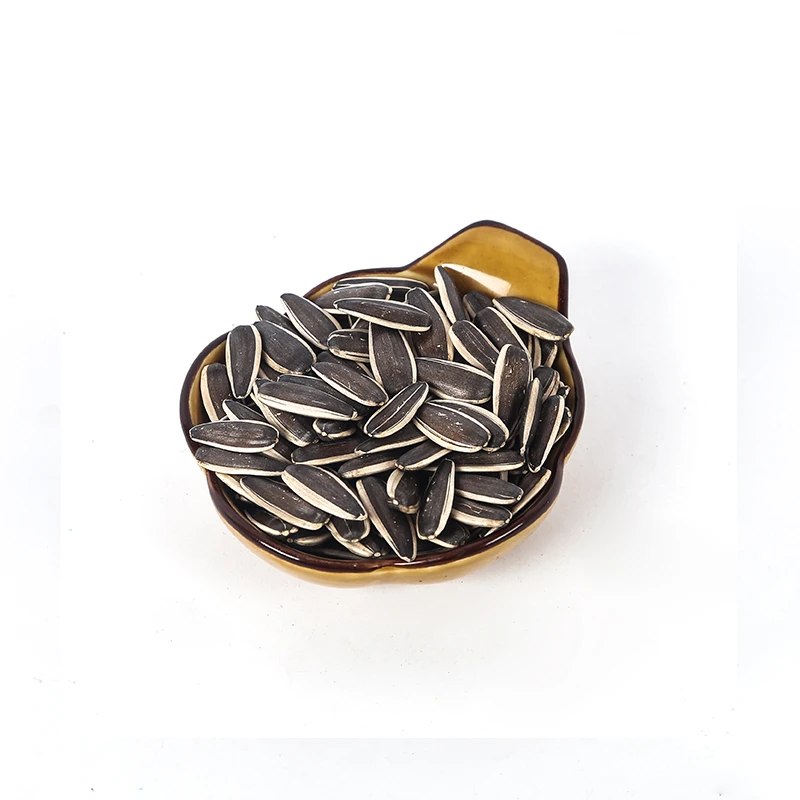
Muskmelon seeds for eating represent a burgeoning sector within the agricultural food industry, transitioning from a byproduct of muskmelon consumption to a valued snack and ingredient. These seeds, derived from Cucumis melo varieties, are gaining recognition for their nutritional profile, including significant levels of polyunsaturated fatty acids, protein, fiber, and micronutrients such as magnesium and zinc. Their industrial position lies at the intersection of agricultural processing, food technology, and consumer packaged goods. Core performance characteristics center around seed viability for consumption (absence of bitterness and proper processing), palatability (texture and flavor), nutritional value, and shelf stability. This guide details the material science, manufacturing processes, performance parameters, potential failure modes, and relevant industry standards associated with producing high-quality muskmelon seeds for direct consumption.
Material Science & Manufacturing
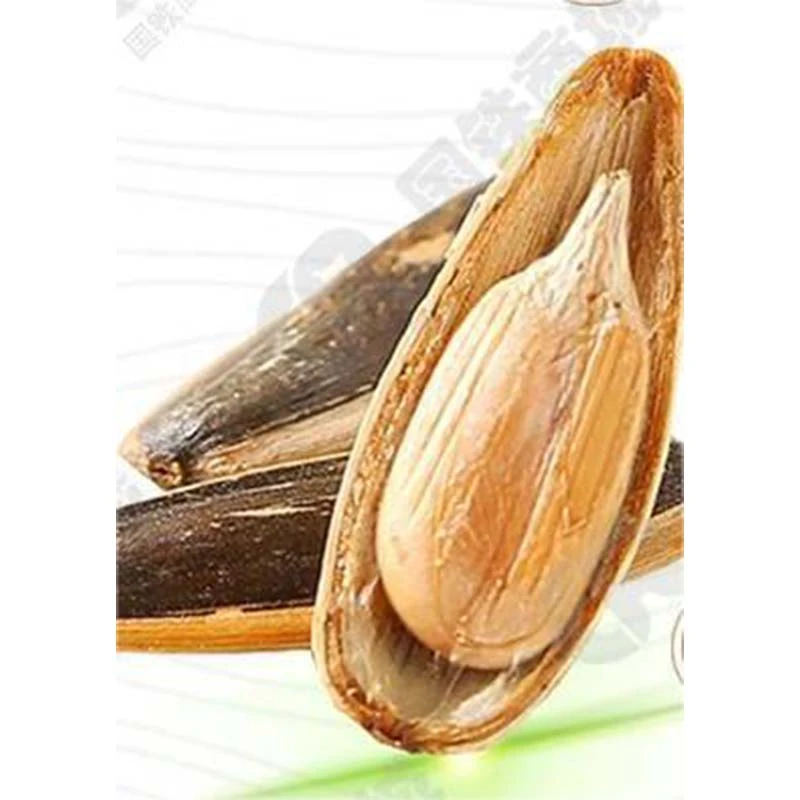
The primary material is the muskmelon seed itself, composed of an embryo, endosperm (providing nutrients for germination), and a seed coat (testa) providing protective layers. The testa is approximately 30-40% cellulose, 20-30% hemicellulose, and 10-20% lignin, offering structural rigidity. The lipid content of the embryo, typically 30-50% by weight, consists largely of linoleic acid (omega-6) and oleic acid (omega-9). Manufacturing begins with seed extraction post-harvest, often involving mechanical separation from the muskmelon pulp. Crucially, the presence of cucurbitacin compounds within the seed’s aleurone layer imparts a bitter taste. Industrial processing necessitates a thorough washing step to remove residual pulp and debris. The key parameter control lies in the de-bittering process – achieved through either aqueous soaking (removing water-soluble cucurbitacins) or heat treatment (denaturing the bitter compounds). Precise temperature control during heat treatment is vital to avoid lipid oxidation and maintain nutritional value. Subsequent drying, typically using controlled-temperature air dryers (60-80°C), reduces moisture content to below 7% to inhibit microbial growth. Further processing may include seasoning (salt, spices, flavorings), coating (for enhanced palatability and shelf life), and packaging. The final stage involves rigorous quality control, including moisture analysis, peroxide value determination (to assess lipid oxidation), and sensory evaluation (taste, texture, appearance).
Performance & Engineering
Performance assessment of muskmelon seeds centers on several key areas: textural integrity (hardness, crunchiness), palatability (bitterness level, flavor profile), nutritional bioavailability, and shelf life. Force analysis using a texture analyzer quantifies the force required to fracture a seed, indicating its crunchiness. A higher force value typically correlates with a more desirable textural experience. Environmental resistance is primarily assessed through accelerated shelf-life testing, exposing seeds to elevated temperatures and humidity levels to simulate long-term storage conditions. Moisture content is a critical factor, as higher moisture levels promote lipid oxidation and microbial growth. Packaging materials play a vital role in maintaining low moisture content and protecting against oxygen ingress. Compliance requirements include adherence to food safety regulations set forth by organizations like the FDA (US Food and Drug Administration) and EFSA (European Food Safety Authority). These regulations dictate permissible levels of contaminants (heavy metals, pesticides), microbiological standards, and labeling requirements. Functional implementation often involves optimizing the de-bittering process to minimize nutrient loss while effectively removing bitterness. Coating technologies are employed to encapsulate the seeds, providing a barrier against oxidation and enhancing flavor delivery.
Technical Specifications
| Parameter | Unit | Specification | Test Method |
|---|---|---|---|
| Moisture Content | % w/w | ≤ 7.0 | AOAC 925.10 |
| Lipid Content | % w/w | 30-50 | AOAC 920.85 |
| Protein Content | % w/w | 25-35 | Kjeldahl Method (AOAC 978.05) |
| Fiber Content | % w/w | 10-20 | AOAC 985.29 |
| Peroxide Value (PV) | meq O2/kg | ≤ 5.0 | AOCS Cd 8-53 |
| Cucurbitacin Content | ppm | ≤ 5 (Bitter Units) | HPLC Analysis |
Failure Mode & Maintenance
Common failure modes for muskmelon seeds for eating include rancidity (lipid oxidation), leading to off-flavors and decreased nutritional value; microbial spoilage, indicated by visible mold growth or unpleasant odors; loss of textural integrity (becoming stale or soft); and coating delamination (if coated). Rancidity is primarily driven by oxygen exposure and elevated temperatures. Lipid oxidation initiates free radical chain reactions, degrading unsaturated fatty acids. Microbial spoilage is fostered by high moisture content and inadequate sanitation during processing. Maintenance strategies involve packaging in airtight, moisture-proof containers (e.g., metallized films, multi-layer polymer pouches) with nitrogen flushing to reduce oxygen levels. Storage in cool, dark, and dry conditions (ideally below 25°C and 60% relative humidity) minimizes oxidation and microbial growth. Regular monitoring of peroxide value and sensory attributes (taste, odor) provides early detection of spoilage. For coated seeds, maintaining the integrity of the coating is paramount; careful handling and appropriate packaging prevent abrasion and delamination. Implementing a First-In, First-Out (FIFO) inventory management system ensures that older stock is utilized before newer stock, minimizing the risk of extended storage-related degradation.
Industry FAQ
Q: What is the primary factor contributing to bitterness in muskmelon seeds, and how is it mitigated?
A: The primary contributor to bitterness is the presence of cucurbitacin compounds, naturally occurring triterpenoids concentrated in the seed's aleurone layer. Mitigation is achieved through industrial de-bittering processes, primarily aqueous soaking or heat treatment. Aqueous soaking leaches out water-soluble cucurbitacins, while heat treatment denatures the enzymes responsible for their synthesis. The specific method and parameters (temperature, soaking time) are crucial to balance bitterness reduction with minimal nutrient loss.
Q: How does packaging impact the shelf life of muskmelon seeds, and what materials are preferred?
A: Packaging is critical for preventing lipid oxidation and moisture absorption, both of which significantly shorten shelf life. Preferred materials include metallized films (aluminum foil laminates) and multi-layer polymer pouches with high barrier properties against oxygen and moisture. Nitrogen flushing inside the packaging further reduces oxygen levels. The packaging should also be resistant to mechanical damage during handling and transportation.
Q: What analytical methods are used to assess the quality and safety of muskmelon seeds for consumption?
A: Quality and safety assessment utilizes a range of analytical methods, including moisture analysis (AOAC 925.10), lipid content determination (AOAC 920.85), peroxide value measurement (AOCS Cd 8-53) to assess rancidity, protein content analysis (Kjeldahl Method), fiber content determination (AOAC 985.29), and HPLC analysis for cucurbitacin content. Microbial testing is also essential to ensure compliance with food safety standards.
Q: What are the key considerations for scaling up production of muskmelon seeds for eating while maintaining consistent quality?
A: Scaling up requires maintaining strict process control throughout the entire production chain. This includes consistent seed sourcing, optimized de-bittering protocols, precise temperature and humidity control during drying, effective quality control at each stage, and robust packaging procedures. Automation of key processes (e.g., washing, drying, sorting) can improve efficiency and consistency. Regular calibration of analytical instruments is also vital.
Q: What is the role of antioxidants in preserving the quality of muskmelon seeds during storage?
A: Antioxidants can play a significant role in inhibiting lipid oxidation, thereby extending shelf life and preserving nutritional value. Natural antioxidants like tocopherols (Vitamin E) are inherently present in muskmelon seeds, but their concentration may be insufficient for long-term storage. Adding exogenous antioxidants (e.g., rosemary extract, ascorbic acid) to the coating or packaging can enhance oxidative stability and maintain product quality.
Conclusion
Muskmelon seeds for eating represent a valuable, nutrient-rich food product with increasing market demand. Successful industrial production relies on a comprehensive understanding of the material science underpinning seed composition, precise control over manufacturing processes – particularly the de-bittering and drying stages – and rigorous adherence to food safety and quality standards. Optimizing packaging materials and storage conditions is crucial for maintaining product integrity and extending shelf life.
Future advancements may focus on enhancing the nutritional profile of muskmelon seeds through breeding programs, developing novel coating technologies for improved flavor delivery and antioxidant protection, and implementing sustainable processing practices to minimize environmental impact. The continued emphasis on quality control and compliance with international regulations will be paramount to ensuring consumer trust and driving further growth in this emerging market segment.
