
Introduction
Muskmelon seeds for eating represent a specialized segment within the agricultural processing industry, focusing on the preparation of Cucumis melo seeds for direct human consumption. This differs significantly from seed production for further cultivation, demanding stricter quality controls related to cleanliness, viability, and taste. The industry chain begins with agricultural cultivation, proceeds through harvesting, drying, cleaning, grading, processing (often involving roasting or flavoring), packaging, and finally, distribution to retail and food processing sectors. Core performance characteristics revolve around seed size consistency, germination rate (for roasted seeds retaining viability), moisture content, oil content, flavor profile, and the absence of contaminants like pesticides or mycotoxins. A critical pain point for manufacturers is maintaining consistent seed quality across varying growing seasons and geographic origins, coupled with evolving consumer preferences for flavor and health benefits.
Material Science & Manufacturing
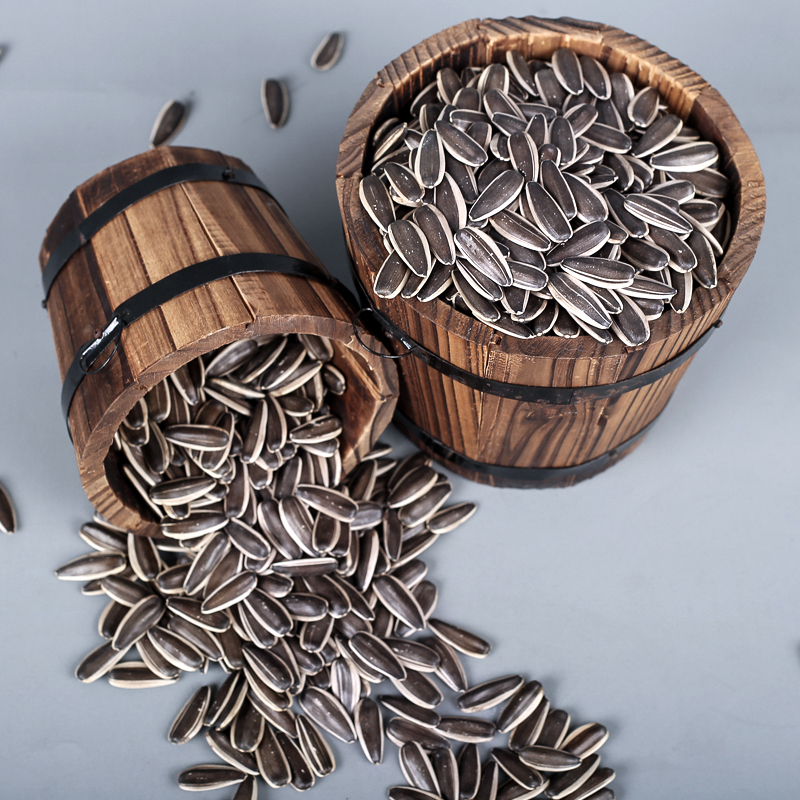
The primary raw material, muskmelon seeds, exhibit a complex chemical composition. The seed coat, composed primarily of cellulose and lignin, provides a protective barrier. Internally, the cotyledons are rich in oil (typically 30-50% by weight, primarily linoleic acid), protein (around 25-30%), and carbohydrates. Moisture content is a critical parameter, ideally between 5-8% for optimal storage and processing. Manufacturing typically begins with manual or mechanical harvesting. Drying is paramount, commonly utilizing sun-drying, forced-air drying, or a combination. Sun-drying, while cost-effective, introduces variability and potential contamination. Forced-air drying, using controlled temperature and humidity, offers greater consistency but is energy-intensive. Cleaning involves removing debris (fruit pulp, stems, etc.) through screening, aspiration, and gravity separation. Grading is conducted based on seed size and visual quality. Further processing may include roasting, flavoring (salt, spices, etc.), and coating. Roasting parameters (temperature, time, oil addition) significantly influence flavor development and seed texture. Parameter control during drying is crucial to prevent cracking and maintain oil quality. Oil rancidity, measured by peroxide value, is a key indicator of degradation. Effective temperature and humidity control during storage are vital to prevent fungal growth and mycotoxin production.
Performance & Engineering
Performance evaluation focuses on several key areas. Seed hardness, measured using a penetrometer, influences processing efficiency and consumer mouthfeel. Fracture strength analysis provides insights into the seed’s resistance to cracking during handling and processing. Oil stability, assessed through accelerated oxidation tests (Rancimat method), determines shelf life. The water activity (Aw) level must be maintained below 0.6 to inhibit microbial growth. Environmental resistance is paramount during storage and transportation. Packaging materials must provide a barrier against moisture, oxygen, and light to prevent lipid oxidation and flavor degradation. Compliance requirements vary by region, encompassing food safety standards (HACCP, GMP) and labeling regulations. Germination rate, even for roasted seeds, is often monitored as an indicator of seed viability and quality. This is assessed using standard germination tests, requiring controlled temperature and moisture conditions. Force analysis during seed cracking (compression testing) helps optimize processing parameters. The thermal properties of the seed (specific heat capacity, thermal conductivity) are important for optimizing roasting processes to achieve desired flavor and texture profiles.
Technical Specifications
| Parameter | Unit | Typical Value | Testing Method |
|---|---|---|---|
| Moisture Content | % (w/w) | 6.0 – 8.0 | Oven Drying (AOAC) |
| Oil Content | % (w/w) | 35 – 45 | Soxhlet Extraction (AOCS) |
| Protein Content | % (w/w) | 26 – 32 | Kjeldahl Method (AOAC) |
| Seed Hardness | N | 15 – 25 | Penetrometer (ASTM D6966) |
| Water Activity (Aw) | - | < 0.6 | Water Activity Meter (ASTM E337) |
| Peroxide Value (Oil) | meq O2/kg | < 5 | Titration (AOCS Cd 8-53) |
Failure Mode & Maintenance
Failure modes in muskmelon seed processing and storage are diverse. Rancidity, caused by lipid oxidation, is a primary concern, leading to off-flavors and reduced nutritional value. This is accelerated by exposure to oxygen, light, and high temperatures. Cracking during drying or processing results in reduced yield and quality. This is often due to uneven drying rates or mechanical stress. Contamination with mycotoxins (e.g., aflatoxins) from fungal growth poses a significant health risk. This is exacerbated by high moisture content and improper storage. Insect infestation can also lead to product loss and contamination. Delamination of the seed coat can occur due to improper handling or storage conditions. Maintenance involves implementing robust quality control procedures throughout the entire process. Proper drying techniques, controlled storage conditions (low temperature, low humidity), and regular monitoring for moisture content and mycotoxin levels are crucial. Implementing a comprehensive pest control program is essential. Packaging materials should be selected for their barrier properties. Regular cleaning and sanitation of processing equipment are vital to prevent contamination. Preventative maintenance of drying and processing equipment minimizes mechanical failures.
Industry FAQ
Q: What are the critical factors affecting the shelf life of roasted muskmelon seeds?
A: The primary factors are oil stability, moisture content, and packaging. High oil content makes the seeds susceptible to rancidity. Maintaining a low moisture content (<8%) and using packaging with excellent barrier properties (oxygen, light, moisture) are crucial to prevent oxidation and maintain flavor. Proper storage temperature (cool and dry) also significantly extends shelf life.
Q: How do you ensure the absence of aflatoxins in the final product?
A: A multi-faceted approach is required. This includes sourcing seeds from reputable suppliers with established quality control programs, proper drying to reduce moisture content (below 8%), regular monitoring for aflatoxin levels using ELISA or HPLC analysis, and implementing strict storage protocols to prevent fungal growth.
Q: What is the ideal roasting profile for maximizing flavor and minimizing oil degradation?
A: The ideal roasting profile depends on the desired flavor profile. Generally, lower temperatures (120-150°C) for longer durations (20-30 minutes) result in a more evenly roasted seed with less oil degradation. Adding a small amount of oil during roasting can help prevent excessive drying and improve flavor transfer. Careful monitoring of roasting parameters is essential.
Q: What size grading standards are commonly used for muskmelon seeds intended for eating?
A: Grading standards typically categorize seeds based on diameter. Common categories include Large ( > 8mm), Medium (6-8mm), and Small (<6mm). The specific size distribution requirements vary depending on the target market and processing equipment capabilities. Uniform seed size is preferred for consistent roasting and flavor development.
Q: How does the variety of muskmelon affect seed quality (oil content, size, flavor)?
A: Muskmelon variety significantly impacts seed quality. Different cultivars exhibit variations in seed size, oil content, and inherent flavor compounds. Certain varieties are specifically bred for larger seed size and higher oil content, making them more suitable for processing into eating seeds. Flavor profiles also differ based on cultivar genetics and growing conditions.
Conclusion
The production of high-quality muskmelon seeds for eating necessitates a holistic approach encompassing careful sourcing of raw materials, precise control of manufacturing processes, rigorous quality control measures, and adherence to stringent food safety standards. Maintaining optimal moisture content, preventing lipid oxidation, and minimizing the risk of mycotoxin contamination are paramount. Successfully navigating these challenges requires a deep understanding of seed physiology, processing technology, and relevant industry regulations.
Future trends in the industry include the development of novel roasting techniques to enhance flavor and nutritional value, the utilization of advanced packaging materials to extend shelf life, and the implementation of blockchain technology to ensure traceability and transparency throughout the supply chain. Furthermore, consumer demand for healthy and flavorful snacks will continue to drive innovation in product development and processing methods.
