Introduction
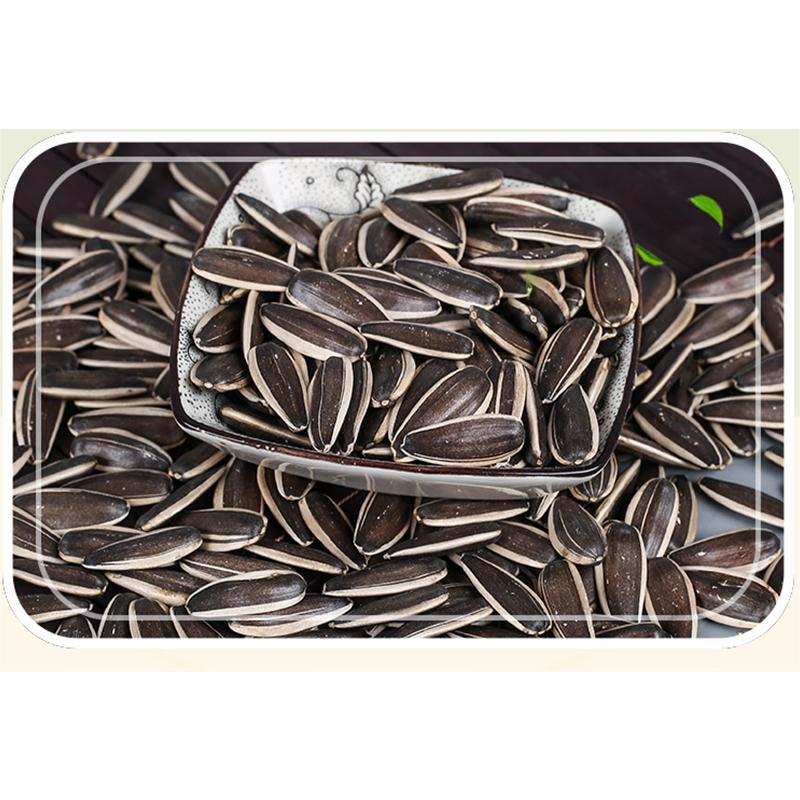
Muskmelon seeds for eating factories represent a critical segment of the agricultural processing industry, focusing on the preparation of seeds for direct consumption as snacks. These seeds, typically sourced from Cucumis melo varieties, undergo a rigorous process of cleaning, drying, grading, and often flavoring to meet consumer demands. Unlike seeds destined for replanting, those intended for direct consumption require stringent quality control related to microbial loads, foreign material, and adherence to food safety regulations. The technical challenges revolve around maintaining seed viability while optimizing flavor profiles and ensuring a consistent product free from defects. Key performance indicators center around seed size uniformity, moisture content, oil content, and the absence of mycotoxins. The industry is driven by increasing consumer preference for healthy snacks and the demand for convenient, readily available food products.
Material Science & Manufacturing
Muskmelon seeds primarily consist of lipids (30-50% by weight), proteins (20-30%), carbohydrates (10-20%), and moisture (5-10%). The lipid composition is dominated by unsaturated fatty acids, linoleic acid being the most prevalent, contributing to their nutritional value but also making them susceptible to rancidity. The seed coat, composed mainly of cellulose and lignin, provides a protective barrier but also impacts texture and digestibility. Manufacturing begins with harvesting mature muskmelons and separating the seeds. Initial cleaning removes the pulp and adhered melon flesh using a combination of mechanical abrasion and water washing. The seeds are then dried, commonly utilizing fluidized bed dryers to achieve a moisture content of approximately 8-10%, crucial for preventing microbial growth and extending shelf life. Drying temperature is a critical parameter; exceeding 60°C can lead to lipid oxidation and flavor degradation. Grading is performed based on size and density, employing vibrating screens and air separators. Flavoring, often involving salt, spices, and potentially coatings, is achieved through tumbling or spraying processes, requiring precise control of coating thickness and adhesion. Seed viability, although not essential for consumption, is often monitored as an indicator of overall seed quality. Chemical compatibility of flavoring agents with seed lipids is paramount to prevent unwanted reactions and maintain flavor stability.
Performance & Engineering
The performance of muskmelon seeds as a snack food is governed by several engineering principles. Force analysis related to seed shelling (the act of cracking the seed open to access the kernel) is important for consumer acceptability; seeds that are too hard or too brittle are undesirable. The seed coat’s tensile strength and fracture toughness dictate this characteristic. Environmental resistance, particularly moisture absorption, significantly impacts shelf life and the potential for microbial growth. Barrier properties of any applied coatings are therefore critical. Packaging material selection must complement the seeds' moisture sensitivity, utilizing materials with low water vapor transmission rates (WVTR). Compliance requirements involve adherence to food safety standards like HACCP (Hazard Analysis and Critical Control Points) and regulations regarding pesticide residues and heavy metal content. Functional implementation focuses on ensuring consistent flavoring distribution and preventing clumping during packaging. Furthermore, understanding the thermal properties of the seeds is vital for optimizing drying and roasting processes, minimizing lipid oxidation, and preserving nutritional value. Shear stress during processing, particularly in tumbling and coating operations, must be controlled to prevent seed damage and maintain structural integrity.
Technical Specifications
| Parameter | Unit | Specification | Test Method |
|---|---|---|---|
| Moisture Content | % w/w | ≤ 10.0 | Oven Drying (GB 5005-2008) |
| Oil Content | % w/w | 35-50 | Soxhlet Extraction (AOAC 920.39) |
| Protein Content | % w/w | 20-30 | Kjeldahl Method (AOAC 920.87) |
| Foreign Matter | % w/w | ≤ 1.0 | Visual Inspection/Sorting |
| Damaged Seeds | % w/w | ≤ 5.0 | Visual Inspection |
| Aw (Water Activity) | - | ≤ 0.65 | Water Activity Meter (ASTM E337) |
Failure Mode & Maintenance
Failure modes in muskmelon seeds for eating factories primarily relate to quality degradation over time. Rancidity, caused by lipid oxidation, is a significant concern, resulting in off-flavors and reduced consumer appeal. This is accelerated by exposure to oxygen, light, and elevated temperatures. Microbial contamination, particularly with molds producing mycotoxins (e.g., aflatoxins), poses a serious health risk. Insufficient drying and inadequate storage conditions contribute to this. Physical damage during processing (cracking, chipping) reduces the aesthetic appeal and can lead to increased lipid oxidation. Packaging failures, such as inadequate barrier properties, can accelerate moisture absorption and rancidity. Maintenance involves rigorous cleaning and sanitation of processing equipment to prevent microbial buildup. Regular monitoring of seed moisture content and storage conditions (temperature, humidity) is essential. Implementing proper inventory management (FIFO – First In, First Out) minimizes the duration of storage. Packaging materials should be inspected for integrity, and damaged packaging should be replaced immediately. Antioxidants can be incorporated into coatings to retard lipid oxidation, but their compatibility with seed lipids must be carefully evaluated. A comprehensive HACCP plan is critical for identifying and controlling potential hazards throughout the entire process.
Industry FAQ
Q: What are the critical control points for preventing aflatoxin contamination in muskmelon seeds?
A: The critical control points include thorough cleaning of the seeds to remove any adhering melon debris, rapid and efficient drying to achieve a moisture content of ≤10%, proper storage in cool, dry conditions, regular monitoring for aflatoxin levels using ELISA or HPLC methods (AOAC 999.09), and adherence to strict supplier qualification procedures.
Q: How does seed variety impact the oil content and flavor profile of the final product?
A: Different muskmelon varieties exhibit variations in oil content, fatty acid composition, and inherent flavor compounds. Varieties with higher linoleic acid content tend to have a more pronounced flavor but are also more prone to rancidity. Selecting varieties specifically bred for seed quality and flavor is crucial for optimizing the final product.
Q: What packaging materials are most suitable for maintaining seed quality and extending shelf life?
A: Multi-layer films incorporating aluminum foil or metallized polyester provide excellent barrier properties against moisture, oxygen, and light. High-density polyethylene (HDPE) or polypropylene (PP) containers with tight-fitting lids are also commonly used. The specific material selection should be based on a cost-benefit analysis considering barrier properties, shelf life requirements, and regulatory compliance.
Q: What is the significance of water activity (Aw) in determining seed stability?
A: Water activity (Aw) represents the amount of unbound water available for microbial growth and chemical reactions. Maintaining a low Aw (≤0.65) inhibits microbial proliferation and slows down enzymatic activity, thereby extending shelf life and preserving seed quality. It’s more indicative of stability than simply measuring moisture content.
Q: How can we minimize seed breakage during the flavoring/coating process?
A: Minimizing seed breakage requires careful control of processing parameters. Reducing tumbling speeds, optimizing coating solution viscosity, and ensuring uniform distribution of flavoring agents are essential. Using padding materials in the coating drum can also help to cushion the seeds and reduce impact forces. Seed pre-treatment, such as a light oil coating, can also increase their resistance to fracture.
Conclusion
Muskmelon seed processing for direct consumption is a complex interplay of material science, engineering principles, and food safety regulations. Achieving consistent product quality requires precise control over every stage of the process, from seed harvesting and cleaning to drying, grading, flavoring, and packaging. Maintaining optimal moisture content and preventing lipid oxidation are paramount for extending shelf life and preserving nutritional value.
Future advancements in the industry will likely focus on developing novel coating technologies to enhance flavor delivery, improve barrier properties, and reduce the potential for rancidity. Sustainable sourcing of seeds and environmentally friendly processing methods will also become increasingly important considerations. Furthermore, implementing real-time monitoring systems to track critical parameters throughout the production line will enable proactive quality control and minimize product losses.
