Introduction
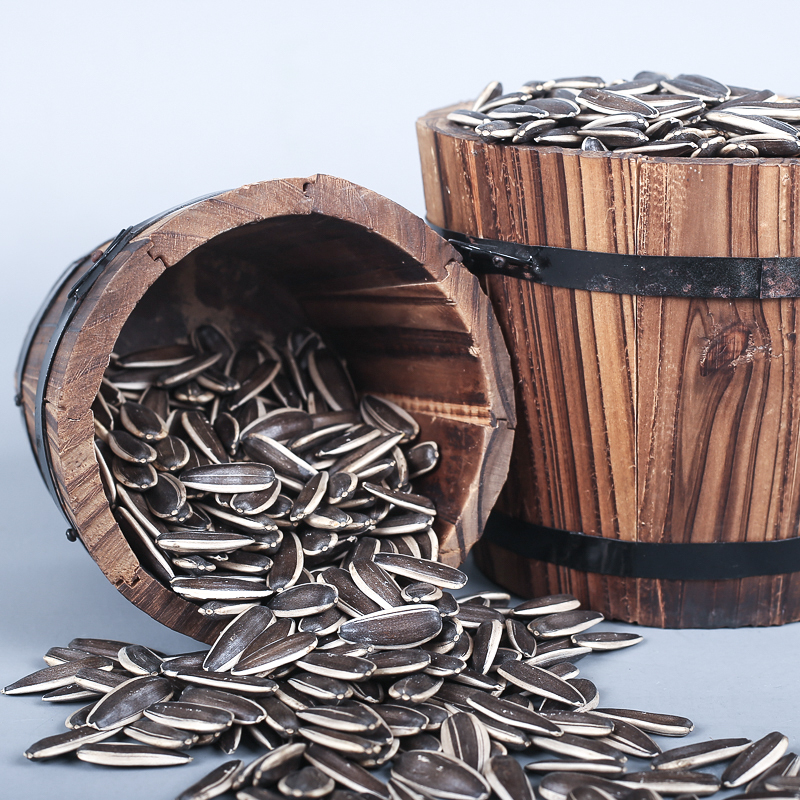
Muskmelon seeds for eating, representing a significant niche within the agricultural export market, are subject to stringent quality controls and represent a growing consumer demand for healthy snack options. Technically classified as Cucumis melo seeds, their viability, genetic purity, and absence of contaminants are paramount concerns for international trade. These seeds aren’t simply a byproduct of muskmelon cultivation; specialized breeding programs focus on characteristics suitable for direct consumption – optimal size, hull thickness, kernel-to-hull ratio, and flavor profile. The export process requires adherence to phytosanitary regulations, proper post-harvest handling to maintain germination rates (even for eating varieties, germination testing is often required by importing countries), and specialized packaging to prevent damage and maintain seed quality during transit. This guide details the material science, manufacturing processes, performance characteristics, failure modes, and regulatory standards governing the successful export of muskmelon seeds for direct consumption.
Material Science & Manufacturing
The primary material component of muskmelon seeds is the embryo, consisting of proteins, carbohydrates, and lipids crucial for germination and nutritional value. The seed coat (testa) is composed of cellulose, hemicellulose, and lignin, providing physical protection. The composition varies based on muskmelon cultivar. Raw material sourcing relies heavily on seed certification programs that ensure genetic purity and freedom from disease. Manufacturing begins with harvesting mature muskmelons at physiological ripeness. Seeds are manually or mechanically extracted, followed by cleaning to remove pulp and debris. This cleaning typically involves washing, screening, and air separation. A crucial step is drying; initial sun-drying is often followed by controlled-temperature mechanical drying to reach a moisture content of approximately 8-10% – exceeding this range fosters fungal growth, while levels below compromise seed viability. Hulling, a mechanical process, removes the outer hull, increasing the edible portion and improving texture. Parameter control during drying is critical; temperature must remain below 45°C to prevent protein denaturation and lipid oxidation. The hulling process requires precision to minimize embryo damage. Seed grading, based on size and weight, ensures uniformity. Finally, seeds are treated with food-grade coatings (often containing calcium carbonate for enhanced texture or natural flavors) and packaged for export. Controlling dust levels during processing is vital to maintain hygiene and prevent allergen contamination.
Performance & Engineering
The key performance parameters for muskmelon seeds destined for direct consumption center on nutritional value, textural properties, and shelf life. Nutritional analysis focuses on protein content (typically 25-30%), lipid content (30-40%, primarily unsaturated fatty acids), and the presence of micronutrients like magnesium and zinc. Textural properties – hardness, crispness, and chewiness – are assessed using texture analyzers. These parameters are influenced by hulling efficiency and moisture content. Shelf life is affected by lipid oxidation, leading to rancidity, and moisture reabsorption, promoting microbial growth. Packaging plays a vital role in mitigating these factors. Barrier properties of packaging materials (oxygen transmission rate - OTR, water vapor transmission rate - WVTR) are critical. Force analysis during handling and transportation must consider impact resistance to prevent seed breakage. Compliance with food safety regulations – including maximum permissible levels of mycotoxins (aflatoxins are a primary concern in melon seeds) and heavy metals – is non-negotiable. Packaging materials must adhere to food contact material standards and prevent migration of harmful substances into the seeds. Environmental resistance considerations include temperature fluctuations during transit and exposure to humidity, which can impact seed quality.
Technical Specifications
| Parameter | Unit | Typical Value (Eating Variety) | Acceptable Range |
|---|---|---|---|
| Moisture Content | % | 8.5 | 7.5 - 10.0 |
| Protein Content (Dry Basis) | % | 28 | 25 - 32 |
| Lipid Content (Dry Basis) | % | 35 | 30 - 40 |
| Kernel-to-Hull Ratio (Hulled Seeds) | % | 90 | 85 - 95 |
| Aflatoxin Level (B1, B2, G1, G2) | ppb | <2 | <4 |
| Germination Rate (Test Batch) | % | >70 | >60 |
Failure Mode & Maintenance
Failure modes in muskmelon seeds during export and storage are diverse. Lipid oxidation, leading to rancidity, is a major concern, accelerated by exposure to oxygen and light. This is often identified by off-flavors and a decrease in nutritional value. Moisture reabsorption results in microbial growth (molds, yeasts) and can produce mycotoxins, rendering the seeds unsafe for consumption. Physical damage during handling – cracking or breakage – reduces seed quality and aesthetic appeal. Insect infestation, despite proper storage, can occur, particularly if packaging is compromised. Delamination of the seed coat, a less common failure, can occur due to improper drying or mechanical stress. Maintenance strategies focus on preventative measures. Proper drying and storage in airtight, moisture-proof packaging are crucial. Temperature control during storage is vital; maintaining temperatures below 20°C slows down oxidation and microbial growth. Regular monitoring for signs of infestation or mold is essential. First-in, first-out (FIFO) inventory management minimizes storage time. Packaging should incorporate oxygen absorbers and desiccant packs to further enhance preservation. Routine laboratory testing for aflatoxins and microbial contamination provides quality assurance.
Industry FAQ
Q: What are the key phytosanitary regulations impacting the export of muskmelon seeds?
A: Phytosanitary regulations vary significantly by importing country. Generally, seeds must be free from quarantine pests as defined by the destination country's agricultural authorities. A phytosanitary certificate, issued by the exporting country's plant protection organization, is typically required. Some countries may require seed treatment with fungicides or insecticides, while others prohibit such treatments. Specific regulations regarding Fusarium and Didymella are common concerns for cucurbit seeds.
Q: How do different packaging materials impact seed shelf life?
A: Packaging materials with low OTR and WVTR significantly extend shelf life. Multi-layer films incorporating aluminum foil or metallized polyester offer superior barrier properties. High-density polyethylene (HDPE) and polypropylene (PP) are commonly used for moisture protection. The use of modified atmosphere packaging (MAP) – flushing the package with nitrogen to reduce oxygen levels – can further inhibit oxidation. The packaging material must also be food-grade and comply with relevant regulations.
Q: What is the significance of the germination rate test, even for seeds intended for direct consumption?
A: While not all importing countries require a germination test for eating seeds, it serves as an indicator of seed viability and overall quality. A low germination rate suggests that the seeds may have been improperly stored or damaged during processing. It can also indicate the presence of internal defects affecting seed quality. Some countries utilize germination rates as a benchmark for quality control, even when the seeds are not intended for planting.
Q: What are acceptable limits for heavy metal contamination in exported muskmelon seeds?
A: Acceptable limits for heavy metals (lead, cadmium, arsenic, mercury) are regulated by the importing country. The European Union, for example, has strict maximum levels established in Regulation (EC) No 1881/2006. Regular testing for heavy metal content is essential to ensure compliance and prevent rejection of the shipment. Seeds grown in areas with historically high levels of soil contamination are at higher risk.
Q: How can we minimize the risk of aflatoxin contamination during the drying and storage phases?
A: Minimizing aflatoxin contamination requires a multi-faceted approach. Selecting muskmelon cultivars with inherent resistance to Aspergillus is a starting point. Proper harvesting practices – avoiding damaged fruit – reduce the initial fungal load. Rapid and thorough drying to below 8.5% moisture content inhibits fungal growth. Storage in cool, dry, well-ventilated conditions is critical. The use of antifungal treatments (where permitted by regulations) can further reduce the risk. Regular monitoring for aflatoxin levels through laboratory testing is essential for quality control.
Conclusion
The successful export of muskmelon seeds for eating hinges on a comprehensive understanding of the interplay between material science, manufacturing precision, and rigorous quality control. Maintaining optimal moisture content, controlling lipid oxidation, and preventing mycotoxin contamination are critical for ensuring product safety and preserving nutritional value. Adherence to international standards and phytosanitary regulations is non-negotiable for market access.
Future advancements in seed coating technologies and modified atmosphere packaging offer opportunities to extend shelf life and enhance product quality. Investing in traceability systems – from farm to export – will provide greater transparency and build consumer confidence. Continued research into the genetic resistance of muskmelon cultivars to Aspergillus and other fungal pathogens is vital for minimizing the risk of contamination and ensuring a sustainable supply of high-quality seeds.
