Introduction
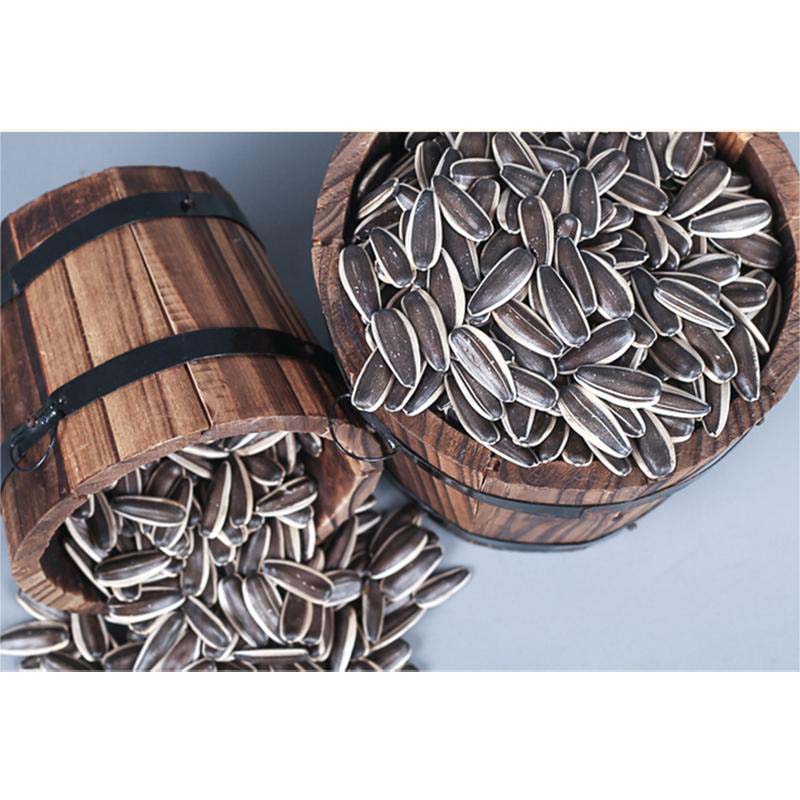
Sunflower seeds, botanically the fruit of the Helianthus annuus plant, are frequently categorized and traded alongside “nuts” within the food industry, particularly as ingredients for confectionery, snack foods, and specialized dietary applications. However, a strict botanical definition classifies sunflower seeds as achenes, not true nuts. This guide provides a detailed technical overview for suppliers of sunflower seeds intended for applications where nut-equivalence is assumed, covering aspects from seed composition and processing to quality control and regulatory considerations. The core performance characteristics relevant to buyers, including oil content, protein profiles, and aflatoxin mitigation strategies, will be examined. A key pain point within the industry is consistent quality and traceability, impacting downstream food safety and production efficiency. This document aims to address these concerns through comprehensive technical information.
Material Science & Manufacturing
Sunflower seeds are comprised of three primary components: the kernel (cotyledon), the hull (pericarp), and the embryo. The kernel constitutes approximately 65-75% of the total seed weight, containing the majority of the oil (40-55%) and protein (18-24%). The hull, a fibrous outer layer, makes up 20-30% and is significantly impacted by growing conditions and harvesting techniques. The embryo represents approximately 5-10% and is crucial for seed propagation but is generally removed during processing for food applications. Raw material sourcing critically impacts seed quality. Varieties bred for high oil content (high-oleic) versus those with linoleic acid predominance determine the final oil profile and oxidative stability.
Manufacturing processes involve cleaning, dehulling, drying, and grading. Cleaning removes foreign material such as stems, leaves, and stones. Dehulling, typically employing mechanical abrasion, separates the kernel from the hull. Effective dehulling is vital to minimize hull fragments, which can affect taste and texture. Drying reduces moisture content to approximately 8-10% to prevent microbial growth and maintain quality during storage. Key parameters include drying temperature (typically below 45°C to prevent protein denaturation) and airflow rate. Grading classifies seeds based on size and density, employing screens and air classifiers. Optical sorting technology is increasingly used to remove discolored or damaged seeds. Seed roasting, when required, is a critical step where temperature and time are tightly controlled to develop flavor profiles without inducing lipid peroxidation. Storage conditions – temperature control (below 15°C) and humidity control (below 65%) – are paramount to minimize rancidity and aflatoxin contamination.
Performance & Engineering
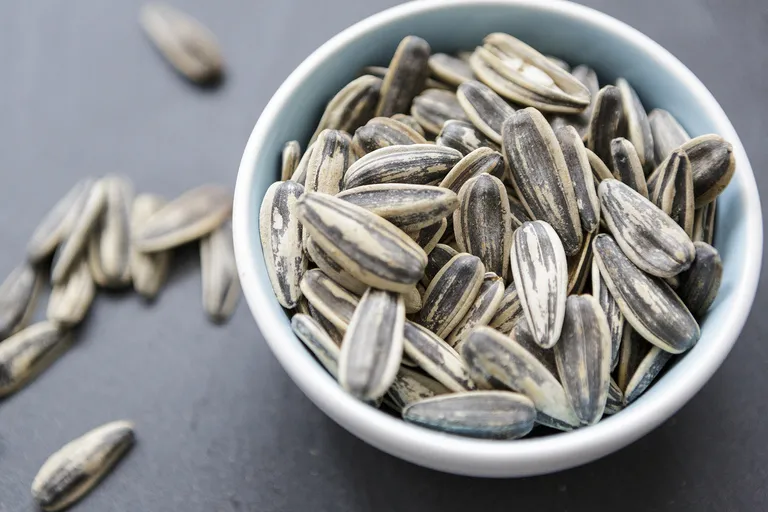
The performance of sunflower seeds as a ‘nut’ substitute is evaluated primarily on their oil content, protein composition, and textural characteristics. Oil content significantly impacts energy density and flavor release. Protein quality, assessed by amino acid profiles, determines its nutritional value. Textural analysis, including hardness and fracturability, is crucial for applications such as confectionery coatings and snack food inclusions. The seed’s resistance to cracking during processing and its ability to maintain structural integrity in finished products are key engineering considerations.
Environmental resistance refers to the seed's susceptibility to moisture absorption and oxidative degradation. The degree of unsaturation in the seed oil determines its vulnerability to rancidity, particularly during prolonged storage or exposure to elevated temperatures. Packaging plays a critical role in mitigating these effects; materials with low oxygen transmission rates (OTR) and moisture vapor transmission rates (WVTR) are essential. Compliance requirements vary by region. The European Union mandates strict limits on aflatoxin levels (Regulation (EC) No 1881/2006). The US Food and Drug Administration (FDA) enforces similar standards under the Food Safety Modernization Act (FSMA). Traceability systems, adhering to standards like ISO 22000, are vital to ensure rapid recall capabilities in case of contamination events. Furthermore, suppliers must adhere to Good Manufacturing Practices (GMP) to maintain product safety and consistency.
Technical Specifications
| Parameter | Typical Range | Test Method | Industry Standard |
|---|---|---|---|
| Oil Content (Dry Basis) | 42-58% | Soxhlet Extraction (AOCS Official Method Am 2-91) | ISO 659-1 |
| Protein Content (Dry Basis) | 18-28% | Kjeldahl Method (AOCS Official Method Ba 3-49) | ISO 8968 |
| Moisture Content | 8-10% | Oven Drying (AOCS Official Method Ca 14-90) | ISO 649-1 |
| Hull Content | <5% (Dehulled) | Visual Inspection & Weight Separation | Supplier Specification |
| Aflatoxin B1 | <2 ppb | HPLC-FLD (High-Performance Liquid Chromatography with Fluorescence Detection) | EU Regulation 1881/2006, FDA Guidance |
| Peroxide Value (PV) | <10 meq O2/kg | Titration Method (AOCS Official Method Cd 8-53) | ISO 3960 |
Failure Mode & Maintenance
Sunflower seeds are susceptible to several failure modes. Rancidity, caused by lipid oxidation, is a primary concern, leading to off-flavors and reduced nutritional value. This is accelerated by exposure to light, oxygen, and heat. Aflatoxin contamination, primarily by Aspergillus flavus and Aspergillus parasiticus, poses a significant food safety risk. This is more prevalent in warm, humid climates and during improper storage. Mechanical damage during processing, such as cracking or bruising, can increase susceptibility to microbial growth and oxidation. Kernel splitting can occur if moisture content is not adequately controlled. Degradation of protein quality can occur during prolonged storage or exposure to high temperatures. Maintenance involves strict adherence to storage guidelines (temperature and humidity control), implementation of HACCP (Hazard Analysis and Critical Control Points) plans to mitigate aflatoxin risk, and regular monitoring of peroxide value to assess oxidative stability. Seed coatings can be utilized to minimize oxygen permeation and improve shelf life. Proper cleaning and sanitation of processing equipment are essential to prevent microbial contamination. Regularly calibrate and maintain all processing equipment for optimal performance.
Industry FAQ
Q: What are the key differences in oil profiles between high-oleic and standard sunflower seed varieties, and how does this impact application suitability?
A: High-oleic sunflower seeds contain over 70% oleic acid, providing superior oxidative stability and a longer shelf life compared to standard varieties, which typically contain around 30-40% linoleic acid. This makes high-oleic seeds ideal for applications requiring extended frying life, heat stability, and resistance to rancidity, such as snack foods and confectionery coatings. Standard varieties, while more prone to oxidation, can be preferred in applications where a specific flavor profile or texture is desired.
Q: How do you ensure aflatoxin levels consistently meet regulatory requirements?
A: We employ a multi-faceted approach, starting with sourcing from regions with low aflatoxin prevalence. We implement rigorous pre-harvest monitoring programs, followed by thorough post-harvest testing using HPLC-FLD. We utilize optical sorting technology to remove visibly contaminated seeds. Furthermore, we apply best practices in drying and storage to minimize mold growth and aflatoxin production, adhering to HACCP principles.
Q: What is the typical shelf life of your dehulled sunflower seeds under optimal storage conditions?
A: Under optimal storage conditions (temperature below 15°C and relative humidity below 65% in sealed, opaque packaging), dehulled sunflower seeds typically maintain acceptable quality for 12-18 months. However, regular monitoring of peroxide value is recommended to assess oxidative stability and confirm shelf life.
Q: What quality control measures are in place to minimize hull fragments in dehulled sunflower seeds?
A: We utilize multi-stage dehulling processes, employing mechanical abrasion and air classification. Optical sorting technology is implemented to remove remaining hull fragments. We also conduct regular sieve analysis to quantify hull content and ensure it remains within specified limits (typically <5%).
Q: Can you provide traceability documentation for your sunflower seeds, demonstrating origin and processing history?
A: Yes, we maintain a comprehensive traceability system compliant with ISO 22000. We can provide documentation detailing the origin of the seeds (farm location), harvest date, processing history (dehulling, drying, grading), and quality control data (oil content, protein content, aflatoxin levels) for each batch.
Conclusion
Sunflower seeds, while botanically distinct from true nuts, serve as a viable and increasingly popular substitute in numerous food applications. Their technical performance – oil content, protein profile, and textural attributes – are critical parameters for suppliers to control and consistently deliver to meet diverse industry needs. Adherence to stringent quality control measures, including effective aflatoxin mitigation strategies and optimized storage conditions, is paramount to ensure product safety and maintain customer confidence.
The future of sunflower seed supply will likely focus on specialized breeding programs targeting improved oil profiles (e.g., increased stearic acid content) and enhanced resistance to environmental stressors. Further adoption of advanced processing technologies, such as pulsed electric field processing, could offer improved energy efficiency and product quality. Transparent and verifiable traceability systems will become increasingly important for meeting evolving regulatory requirements and consumer demands.
