Introduction
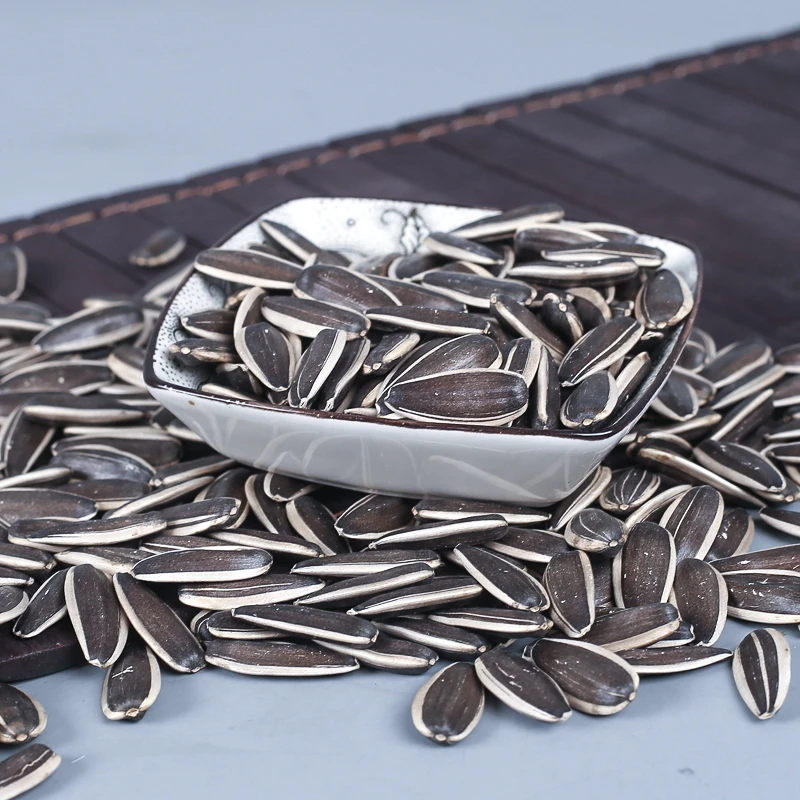
Sunflower seeds, derived from the Helianthus annuus plant, are a globally significant oilseed crop and increasingly important component in food, feed, and industrial applications. While commonly referred to as “seeds,” their botanical and functional characteristics often lead to inquiries regarding their classification alongside true nuts. This technical guide will rigorously examine the composition, processing, quality control, and potential applications of sunflower seeds, addressing the critical question of whether, for practical and regulatory purposes, they can be considered a “nut” for sourcing and application. Understanding the nuances of their fatty acid profile, protein content, and allergenic potential is crucial for food manufacturers, nutraceutical companies, and industrial consumers. This document will provide a deep dive into the scientific and logistical considerations surrounding sunflower seed sourcing and utilization, focusing on consistency, purity, and adherence to international standards.
Material Science & Manufacturing
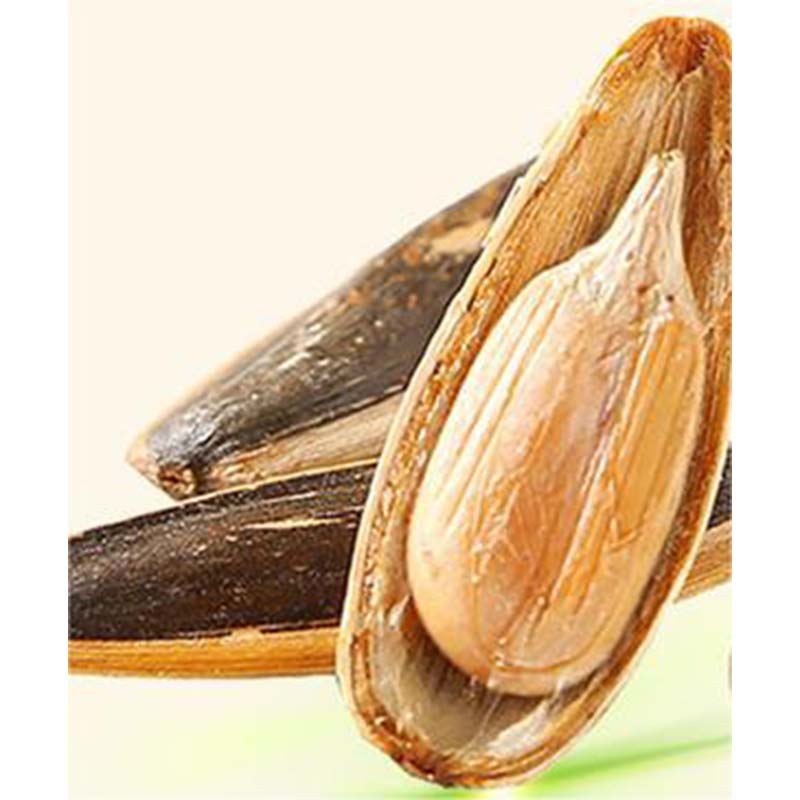
Sunflower seeds comprise three primary anatomical components: the hull (pericarp), the kernel (cotyledon), and the germ. The hull, approximately 28-40% of the seed’s weight, is primarily cellulose and lignin. Kernels, comprising 58-70% of the seed, are rich in oil (42-58%), protein (18-26%), and fiber. The germ constitutes the remaining portion, containing essential nutrients and antioxidants. Raw material variability significantly impacts processing. Seeds are harvested with moisture content typically between 9-12%. Drying is critical, typically using forced-air systems to reduce moisture to 6-8% for safe storage and prevent fungal growth. Dehulling involves mechanical separation of the hull, often utilizing impact and friction. Kernel processing includes cleaning (removal of foreign material), sizing (segregation based on kernel size), and coating (application of functional coatings for improved handling or processing). Oil extraction is predominantly achieved through mechanical pressing (expelling) or solvent extraction (typically hexane). Parameters like pressing pressure, temperature, and solvent-to-seed ratio are meticulously controlled to maximize oil yield and maintain oil quality. Quality control at each stage—including assessing seed moisture, hull damage, kernel oil content, and residual solvent levels—is essential. Manufacturing tolerances for kernel size and shape are established based on end-use applications (e.g., confectionery, oil production, feed).
Performance & Engineering
The performance of sunflower seeds as a food ingredient or industrial feedstock is dictated by their physical and chemical properties. Tensile strength of the kernel is relevant for processing, specifically during de-shelling and coating. Compression resistance is critical in oil extraction processes, influencing oil yield and equipment wear. The oil’s viscosity, saponification value, and iodine value are essential parameters influencing its suitability for various applications (e.g., edible oils, biodiesel production, paints). The fatty acid profile – predominantly linoleic (omega-6) and oleic (omega-9) acids – dictates oxidative stability and nutritional value. Environmental resistance refers to the seed’s susceptibility to moisture absorption, temperature fluctuations, and microbial attack during storage. Proper packaging and controlled storage conditions (temperature <25°C, relative humidity <65%) are paramount to prevent rancidity and aflatoxin contamination. Compliance requirements are stringent, particularly concerning food safety (e.g., minimizing pesticide residues, heavy metal content, and aflatoxin levels) and allergen labeling. The U.S. Food and Drug Administration (FDA) and European Food Safety Authority (EFSA) have specific regulations governing sunflower seed quality and safety. Furthermore, engineering considerations in large-scale processing include optimizing conveyor belt speeds, minimizing kernel breakage during handling, and ensuring efficient solvent recovery during oil extraction. A key performance metric is the overall process yield, from raw seed to finished product.
Technical Specifications
| Parameter | Unit | Typical Value (Confectionery Grade) | Typical Value (Oilseed Grade) |
|---|---|---|---|
| Kernel Oil Content | % (Dry Weight) | 48-52 | 50-58 |
| Kernel Moisture Content | % | 7-9 | 6-8 |
| Kernel Size (Diameter) | mm | 10-16 | 8-14 |
| Kernel Hull Content | % | <1 | 2-5 |
| Linoleic Acid Content (Oil) | % of Total Fatty Acids | 55-65 | 60-70 |
| Oleic Acid Content (Oil) | % of Total Fatty Acids | 15-30 | 10-25 |
Failure Mode & Maintenance
Sunflower seeds are susceptible to various failure modes during storage and processing. Rancidity, caused by oxidation of unsaturated fatty acids, is a primary concern. Mitigation involves proper storage (low temperature, inert atmosphere), antioxidant addition (e.g., Vitamin E), and minimizing exposure to light and oxygen. Aflatoxin contamination, caused by Aspergillus molds, is a significant food safety risk. Prevention requires careful harvesting, drying, and storage practices, alongside regular testing for aflatoxin levels. Mechanical damage during processing (cracking, chipping) can reduce product quality and yield. This is addressed through optimized equipment settings and gentle handling techniques. Biological degradation, including insect infestation and fungal growth, can occur if moisture content is not adequately controlled. Pest control measures and regular inspection of storage facilities are essential. In terms of maintenance, oil extraction equipment requires regular cleaning to prevent buildup of seed residue and oil, ensuring optimal efficiency. Storage silos must be routinely inspected for leaks and structural integrity. Periodic calibration of moisture meters and other analytical instruments is critical for accurate quality control. Preventive maintenance schedules should be established for all processing equipment to minimize downtime and ensure consistent product quality.
Industry FAQ
Q: What is the typical shelf life of sunflower seeds, and how is it affected by storage conditions?
A: Properly stored sunflower seeds (kernel moisture <8%, temperature <25°C, relative humidity <65%, airtight packaging) typically have a shelf life of 12-18 months. Exposure to high temperatures, humidity, and oxygen accelerates rancidity and can lead to aflatoxin development, reducing shelf life to as little as 3-6 months. Regular monitoring of seed quality (oil content, peroxide value, aflatoxin levels) is recommended.
Q: How do different sunflower seed varieties impact oil yield and quality?
A: High-oleic sunflower seed varieties consistently yield oils with superior oxidative stability and longer shelf life compared to traditional linoleic varieties. Oil yield varies depending on cultivar, growing conditions, and processing methods, but generally ranges from 40-60% of kernel weight. Hybrids bred for specific oil profiles or disease resistance are becoming increasingly common.
Q: What are the regulatory limits for aflatoxin in sunflower seeds in the US and EU?
A: The US FDA establishes an action level of 20 parts per billion (ppb) for aflatoxins in foods, including sunflower seeds. The EU sets a maximum level of 2.5 µg/kg (2.5 ppb) for total aflatoxins in sunflower seeds intended for direct consumption. Compliance with these regulations requires rigorous testing and quality control procedures.
Q: What are the key differences in processing sunflower seeds for confectionery versus oil production?
A: Confectionery-grade seeds require more rigorous cleaning and sizing to ensure uniform appearance and taste. Hulling is more complete, and the seeds are often coated for improved flavor or preservation. Oilseed-grade seeds may tolerate higher levels of hull content and are typically processed in larger batches, prioritizing oil yield over aesthetic considerations.
Q: Are there sustainable sourcing certifications available for sunflower seeds?
A: While not as widespread as for some other crops, sustainable sourcing certifications like ISCC (International Sustainability and Carbon Certification) are gaining traction in the sunflower seed industry. These certifications verify adherence to sustainable agricultural practices, including responsible land use, reduced pesticide application, and fair labor standards.
Conclusion
Sunflower seeds represent a versatile and economically important agricultural commodity. Their composition and processing parameters demand stringent quality control measures to ensure both food safety and optimal performance in diverse applications. While not botanically classified as “nuts,” their high oil content, protein profile, and functional characteristics often position them as a viable alternative in applications where nut ingredients are traditionally used. Understanding the interplay between raw material variability, processing techniques, and storage conditions is crucial for maximizing yield, minimizing waste, and ensuring consistent product quality.
Future developments in sunflower seed technology will likely focus on breeding for improved oil profiles (e.g., higher oleic acid content), enhanced disease resistance, and increased yield. Furthermore, advancements in processing technologies, such as supercritical fluid extraction and enzymatic oil recovery, may lead to more efficient and sustainable oil production methods. Continued adherence to international standards and rigorous quality control protocols will be paramount for maintaining consumer confidence and expanding the applications of sunflower seeds in the global market.
