Introduction
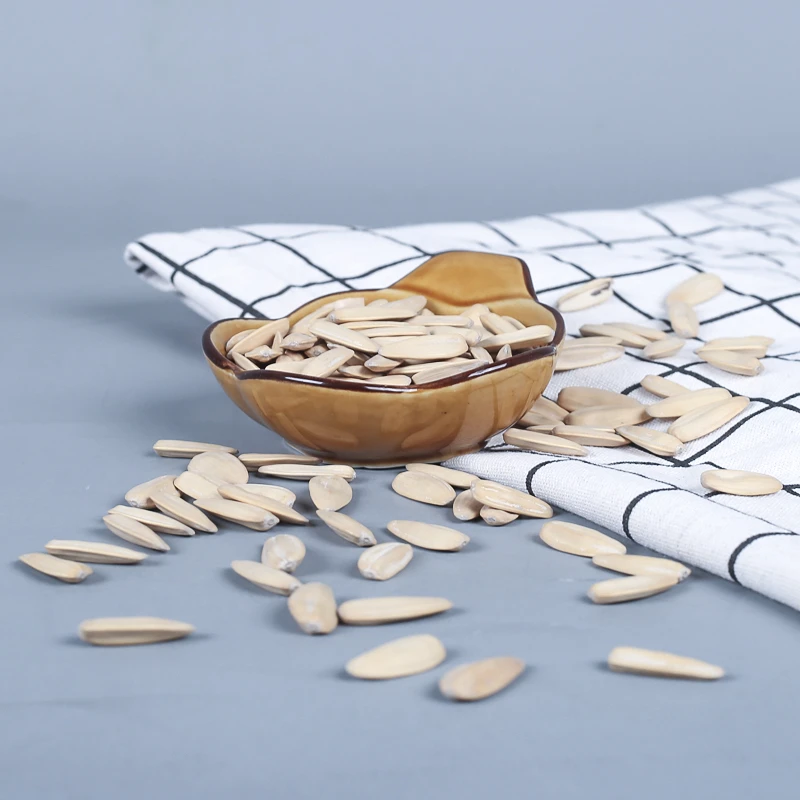
Sunflower seed processing facilities, commonly referred to as “is sunflower seeds a nut factory” within supply chain discussions, represent a critical segment of the agricultural processing industry. These facilities transform raw sunflower seeds into a variety of commercially valuable products including kernel for direct consumption, oil for culinary and industrial applications, and meal for animal feed. The technical position within the industry chain is characterized by a move from primary agricultural production to value-added processing. Core performance metrics center on seed quality (oil content, protein content, moisture), processing efficiency (kernel recovery rate, oil extraction yield), product purity (foreign material content), and adherence to food safety regulations. A primary industry pain point revolves around optimizing the delicate balance between maximizing yield and preserving the nutritional integrity of the sunflower seed components, requiring precise control over processing parameters. Another challenge concerns the effective management of by-products, such as hulls, for sustainable and economically viable applications.
Material Science & Manufacturing
The raw material, Helianthus annuus seeds, exhibit significant variability in composition. Kernel oil content typically ranges from 42-58% dependent on variety and growing conditions, comprised primarily of linoleic acid (60-74%), oleic acid (14-30%), and palmitic acid (3-6%). Proteins account for approximately 20-28% of the kernel dry weight, largely globulins and albumins. The seed hull (pericarp) consists of cellulose (30-40%), hemicellulose (20-30%), and lignin (10-20%), providing structural rigidity. Manufacturing processes begin with cleaning and de-hulling. De-hulling utilizes mechanical abrasion and air separation to remove the outer husk. Critical parameters include impact velocity, abrasion surface texture, and airflow rates; improper control leads to kernel damage and reduced oil yield. Kernel drying, typically employing a combination of convective and conductive heating, reduces moisture content from 10-12% to 8-9%, preventing microbial growth and facilitating efficient oil extraction. Oil extraction is predominantly performed via mechanical pressing (expelling) and/or solvent extraction (using hexane). Expelling relies on applying high pressure to rupture oil bodies, while solvent extraction utilizes the solubility difference between oil and the solvent. Solvent removal post-extraction necessitates rigorous vacuum distillation and stripping procedures to meet stringent food safety standards. Meal processing involves drying, cooling, and often flaking to improve digestibility for animal feed applications. Quality control relies heavily on near-infrared spectroscopy (NIRS) for rapid assessment of oil and protein content throughout the process.
Performance & Engineering
Mechanical design within sunflower seed processing plants is heavily focused on minimizing kernel damage, maximizing material throughput, and ensuring hygienic operation. Force analysis is critical in de-hulling operations to optimize impact forces and prevent shattering. Material handling systems (conveyors, elevators, pneumatic transport) must be engineered to minimize frictional forces and prevent seed attrition. The design of oil expellers requires consideration of compressive stress, shear stress, and wear resistance of the pressing surfaces. Environmental resistance is paramount; facilities operate in dusty environments requiring robust dust collection systems and explosion protection measures (given the flammability of sunflower seed dust). Compliance requirements are extensive, encompassing food safety standards (HACCP, GMP), environmental regulations (wastewater discharge, air emissions), and occupational safety standards (OSHA). Functional implementation of cleaning systems relies on principles of particle separation based on size, shape, and density. Oil refining processes, including degumming, neutralization, bleaching, and deodorization, demand precise control of temperature, pressure, and chemical addition rates to remove impurities and achieve desired oil characteristics (color, odor, stability). Heat exchanger design within oil refining is crucial for efficient energy recovery and temperature control.
Technical Specifications
| Parameter | Unit | Typical Range | Testing Method |
|---|---|---|---|
| Oil Content (Kernel) | % (Dry Basis) | 48-58 | AOAC Official Method 985.05 |
| Protein Content (Kernel) | % (Dry Basis) | 20-28 | Kjeldahl Method (AOAC 978.05) |
| Moisture Content (Kernel) | % | 8-9 | Oven Drying (AOAC 925.09) |
| Kernel Recovery Rate | % | 60-75 | Weight Difference (Seed-Hull) |
| Oil Extraction Yield | % | 90-98 | Weight Difference (Kernel-Oil/Meal) |
| Free Fatty Acids (FFA) | % | <0.3 | Titration (AOCS Cd 3-63) |
Failure Mode & Maintenance
Common failure modes in sunflower seed processing include equipment wear due to abrasive seed material, bearing failure in high-speed machinery, cracking and chipping of kernels during de-hulling, and clogging of pipelines and filters. Fatigue cracking can occur in structural components subjected to cyclical loading, particularly in material handling systems. Delamination of conveyor belts and elevator buckets is also frequently observed. Degradation of rubber liners in de-hullers reduces efficiency and increases kernel damage. Oxidation of oil during storage leads to rancidity and reduced product quality. Maintenance solutions involve regular inspection and replacement of wear parts (liners, screens, bearings), lubrication of moving components, implementation of vibration monitoring programs to detect bearing failure, and proper cleaning and sanitation procedures to prevent clogging and microbial growth. Implementing predictive maintenance strategies based on sensor data and historical failure patterns can optimize maintenance schedules and minimize downtime. Regular inspection and cleaning of solvent recovery systems are critical to prevent leaks and maintain solvent purity. Storage tanks should be nitrogen-purged to minimize oxidation of oil.
Industry FAQ
Q: What are the key differences between mechanical pressing and solvent extraction in terms of oil quality and yield?
A: Mechanical pressing typically yields a lower oil extraction rate (around 85-90%) compared to solvent extraction (95-98%). However, mechanically pressed oil often retains more natural antioxidants and flavor compounds, considered desirable in premium culinary applications. Solvent extraction can sometimes leave trace residues of hexane, requiring rigorous purification. The heat generated during mechanical pressing can also degrade oil quality if not properly controlled.
Q: How does the moisture content of sunflower seeds impact the efficiency of oil extraction?
A: Optimal moisture content for oil extraction is typically around 8-9%. Higher moisture content increases energy consumption during drying and can promote microbial growth. Lower moisture content can lead to increased kernel brittleness and reduced oil flow during pressing or solvent extraction.
Q: What are the challenges associated with handling sunflower seed hulls and how can they be addressed?
A: Sunflower seed hulls are a significant by-product stream. Challenges include their low bulk density, high dust potential, and relatively low economic value. Addressing these challenges involves utilizing hulls for fuel (biomass energy), animal bedding, composite material production, or soil amendment. Proper dust collection systems are essential during hull handling.
Q: What are the critical parameters to monitor for ensuring the quality and stability of sunflower oil during storage?
A: Critical parameters include temperature, exposure to oxygen, and presence of light. Oil should be stored in cool, dark, and airtight containers. Monitoring peroxide value, acid value, and color stability are essential indicators of oil quality. The addition of antioxidants can extend shelf life.
Q: What food safety standards are most relevant to sunflower seed processing facilities?
A: HACCP (Hazard Analysis and Critical Control Points) is foundational. GMP (Good Manufacturing Practices) are essential for maintaining hygienic conditions. Facilities must comply with relevant food safety regulations established by agencies such as the FDA (in the US) and EFSA (in Europe). Additionally, adherence to standards for pesticide residues and mycotoxin levels is crucial.
Conclusion
Sunflower seed processing, or “is sunflower seeds a nut factory” operations, require a meticulous understanding of material science, engineering principles, and food safety regulations. Optimizing the process demands precise control over parameters ranging from seed preparation and oil extraction to refining and by-product management. Achieving high yields, maintaining product quality, and ensuring operational efficiency are intrinsically linked to robust monitoring, preventative maintenance, and adherence to international standards.
Future advancements in this sector will likely focus on developing more energy-efficient extraction technologies, improving byproduct valorization strategies, and incorporating real-time process monitoring and control systems based on artificial intelligence and machine learning. These innovations will contribute to a more sustainable and economically viable sunflower seed processing industry, capable of meeting the growing global demand for sunflower oil and meal.
