
Introduction
Sunflower seeds, botanically the fruit of the Helianthus annuus plant, are frequently considered and traded within the agricultural commodity markets as a nut analogue due to their usage and nutritional profile. While technically an achene, not a true nut, their high oil content, protein levels, and common application in snack foods, confectionery, and oil production necessitate understanding their specific quality parameters and international trade regulations. This guide details the technical aspects of sunflower seed exportation, covering material science (kernel composition), manufacturing processes (drying, dehulling, grading), performance characteristics (oil yield, protein content, aflatoxin levels), failure modes (rancidity, insect infestation), and relevant industry standards. The core pain point for exporters lies in maintaining consistent quality to meet stringent importer requirements, mitigating bio-contamination risks, and optimizing logistical strategies to preserve seed viability during transport. Understanding these intricacies is crucial for successful B2B transactions and establishing a reputable position in the global market.
Material Science & Manufacturing
Sunflower seeds are comprised of three primary components: the kernel (cotyledon), the hull (pericarp), and the embryo. The kernel, representing approximately 65-75% of the seed’s weight, is rich in oil (40-55%), protein (20-25%), and carbohydrates. Oil composition varies significantly between cultivars, influencing its suitability for edible oil production versus confectionery use. Linoleic acid (omega-6) is the predominant fatty acid, followed by oleic acid (omega-9), with stearic and palmitic acids present in smaller quantities. The hull, primarily cellulose and lignin, provides physical protection. Manufacturing begins with harvesting and initial cleaning to remove plant debris. Critical processes include drying to a moisture content of 8-10% to inhibit microbial growth and enzymatic activity. This is typically achieved using forced-air drying systems, carefully controlling temperature (typically below 40°C) to prevent protein denaturation and oil degradation. Dehulling, either mechanically or chemically, separates the kernel from the hull. Mechanical dehulling requires precise calibration to minimize kernel damage. Grading follows, categorized by kernel size, oil content, hulling percentage, and defect levels (split kernels, chipped kernels, foreign material). Optical sorting technology plays a vital role in achieving high purity. Parameter control focuses on maintaining optimal drying temperatures, dehulling pressure, and sorting sensitivity to maximize yield and quality.
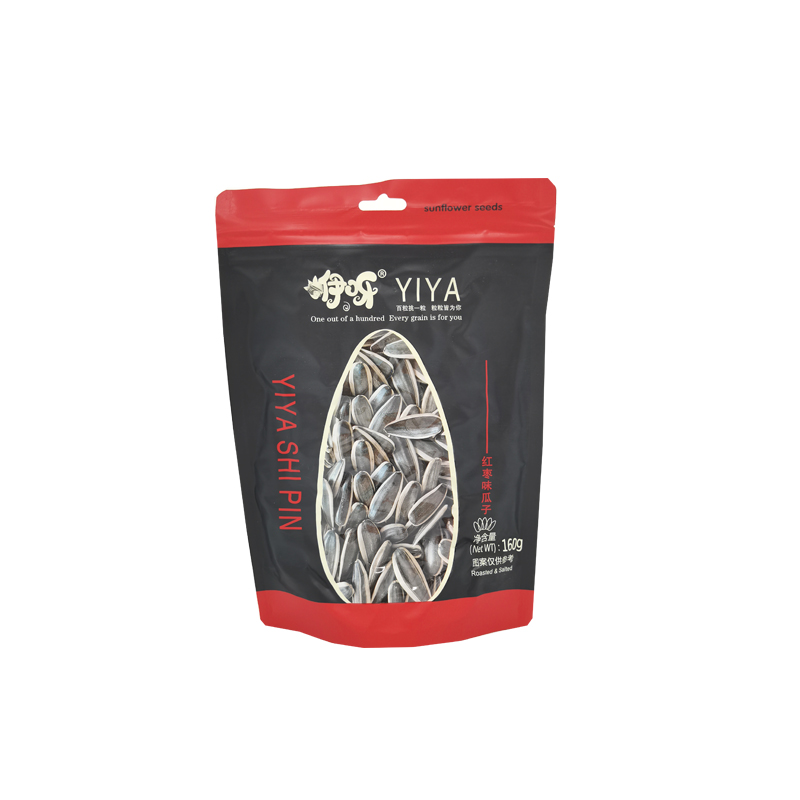
Performance & Engineering
The performance of sunflower seeds as an export commodity is assessed based on several key engineering parameters. Oil yield is paramount, expressed as a percentage of kernel weight. This is influenced by seed variety, growing conditions, and processing efficiency. Protein content is also crucial, impacting nutritional value and market demand. Force analysis during dehulling is vital; excessive force leads to kernel breakage, reducing quality. Environmental resistance concerns revolve around moisture uptake during storage and transport, which can trigger fungal growth and aflatoxin production. Compliance requirements are stringent, particularly concerning aflatoxin levels (regulated by various international bodies – see section 7). Functional implementation involves optimized packaging to minimize oxygen exposure and maintain low moisture levels. Modified Atmosphere Packaging (MAP) using nitrogen flushing is often employed. Furthermore, logistical engineering focuses on temperature-controlled shipping containers to prevent seed degradation during long-distance transport. The moisture content gradient within large bulk shipments must be carefully monitored to prevent localized hotspots conducive to mold growth. Seed viability, measured by germination rate, is important for seed destined for agricultural purposes.
Technical Specifications
| Parameter | Unit | Confectionery Grade | Oil Production Grade |
|---|---|---|---|
| Oil Content | % (dry weight basis) | 50-58 | 40-50 |
| Protein Content | % (dry weight basis) | 22-28 | 20-25 |
| Moisture Content | % | 8-10 | 8-10 |
| Kernel Size (Diameter) | mm | 16-20 | 14-18 |
| Hull Percentage | % | <2 | 5-10 |
| Aflatoxin Level (Total) | ppb | <5 | <10 |
Failure Mode & Maintenance
Sunflower seeds are susceptible to several failure modes during storage and transport. Rancidity, caused by lipid oxidation, is a major concern, resulting in off-flavors and reduced nutritional value. This is accelerated by exposure to oxygen, light, and elevated temperatures. Insect infestation can lead to significant losses and contamination. Mold growth, particularly Aspergillus species, results in aflatoxin production, a potent carcinogen. Mechanical damage during dehulling and handling causes kernel breakage, reducing market value. Preventative maintenance includes proper storage in cool, dry, well-ventilated facilities, minimizing exposure to light and oxygen. Implementing Integrated Pest Management (IPM) strategies reduces insect risks. Regular monitoring of aflatoxin levels is essential. Packaging materials should provide a strong oxygen barrier. For long-term storage, controlled atmosphere storage (reducing oxygen levels) is recommended. Early detection of mold growth through visual inspection and mycotoxin testing is crucial. Addressing failure modes requires adherence to Good Manufacturing Practices (GMP) and Hazard Analysis and Critical Control Points (HACCP) principles.
Industry FAQ
Q: What are the primary factors influencing oil yield in sunflower seeds?
A: Oil yield is significantly affected by seed genetics (cultivar selection), growing conditions (temperature, rainfall, sunlight), harvesting maturity, and post-harvest processing techniques (drying temperature, dehulling efficiency). Higher temperatures during growth generally correlate with increased oil content, but excessively high temperatures can reduce kernel size. Proper drying is crucial to prevent oil degradation.
Q: How is aflatoxin contamination managed during export?
A: Aflatoxin management begins with pre-harvest controls, including selecting cultivars with resistance, optimizing irrigation practices, and minimizing insect damage in the field. Post-harvest, rigorous cleaning and sorting remove contaminated seeds. Storage facilities must be maintained to prevent mold growth. Regular testing for aflatoxin levels is mandatory, and only batches meeting international regulatory limits are released for export.
Q: What are the key differences in quality control between confectionery and oil production grade seeds?
A: Confectionery grade seeds require a higher degree of physical integrity (minimal kernel breakage), larger kernel size, and a lower hull percentage. Aflatoxin levels are typically more stringently controlled. Oil production grade seeds prioritize oil yield, with less emphasis on kernel appearance. Moisture content requirements are similar for both grades.
Q: What packaging materials are recommended for maintaining seed quality during long-distance shipping?
A: Multi-layered packaging incorporating a moisture barrier (polyethylene), an oxygen barrier (metalized polyester or EVOH), and a strong outer layer (woven polypropylene) is recommended. Nitrogen flushing prior to sealing minimizes oxygen exposure. Palletization and shrink-wrapping provide additional protection. Temperature-controlled containers are essential.
Q: What documentation is typically required for international sunflower seed export?
A: Required documentation typically includes a phytosanitary certificate confirming freedom from pests and diseases, a certificate of origin, a bill of lading, a commercial invoice, a packing list, a quality analysis report (including oil content, protein content, aflatoxin levels, and moisture content), and potentially a health certificate depending on the importing country’s regulations.
Conclusion
Successful exportation of sunflower seeds demands a comprehensive understanding of their material properties, manufacturing processes, and potential failure modes. Maintaining consistent quality, particularly controlling aflatoxin levels and preventing rancidity, is paramount for meeting international standards and fulfilling stringent buyer requirements. Optimizing drying, dehulling, and packaging processes, coupled with meticulous quality control procedures, are critical for maximizing yield and preserving seed viability during transport.
Future trends in the industry will likely focus on developing sunflower cultivars with enhanced oil profiles and increased aflatoxin resistance. Implementing advanced sorting technologies and utilizing blockchain technology for traceability will further enhance quality assurance and supply chain transparency. A proactive approach to risk management, including rigorous monitoring and adherence to international regulations, will be essential for sustaining a competitive advantage in the global sunflower seed market.
