Introduction
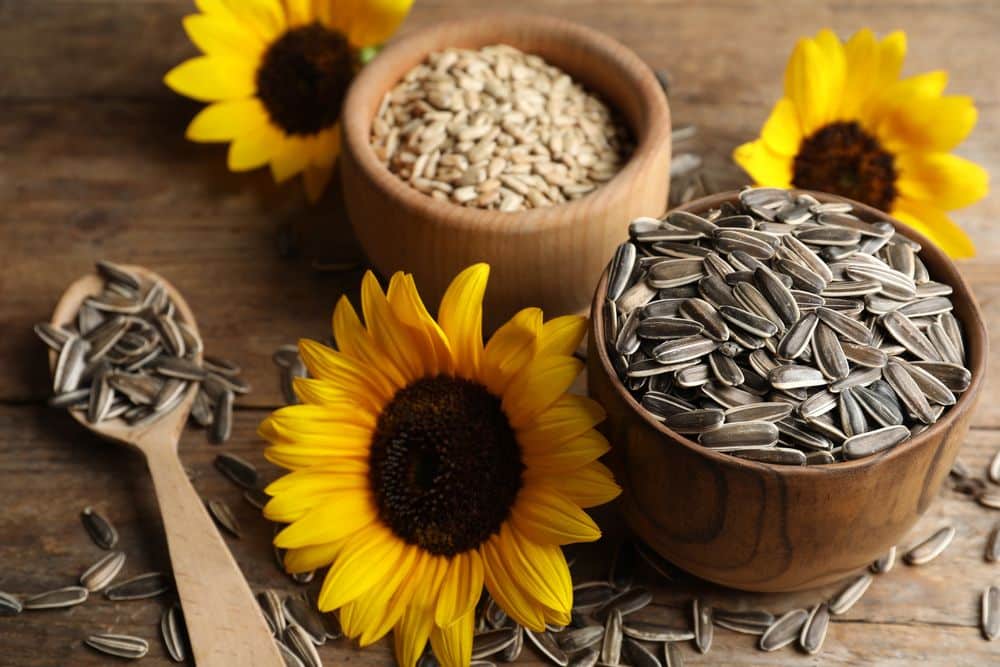
Sunflower seeds, botanically classified as the fruit of the Helianthus annuus plant, are a globally traded agricultural commodity. While commonly referred to as ‘nuts’ in colloquial terms, they are technically achenes – a type of dry fruit containing a single seed. This distinction is crucial for import/export regulations, allergen labeling, and tariff classifications. As an export product, sunflower seeds serve diverse markets including human consumption (snacking, baking), animal feed, and oil extraction. This technical guide provides a comprehensive overview of sunflower seed quality parameters, manufacturing processes involved in preparation for export, potential degradation pathways, and relevant international standards. The primary pain point for exporters lies in consistently meeting stringent quality specifications related to moisture content, oil content, foreign material, and aflatoxin levels, all impacting shelf life and market acceptance. Furthermore, understanding global regulatory compliance regarding phytosanitary certificates and import permits is vital for successful trade.
Material Science & Manufacturing
Sunflower seeds comprise approximately 35-58% oil, 20-25% protein, 15-25% carbohydrate (primarily fiber), and 5-10% moisture. The seed coat, or hull, is composed of cellulose and lignin, providing structural integrity but also impacting digestibility. Kernel hardness varies significantly depending on the cultivar – high-oleic varieties generally exhibit increased hardness. Manufacturing for export typically involves several stages: harvesting, drying, cleaning, dehulling (optional, depending on market preference), grading, and packaging. Drying is critical; moisture content must be reduced to 8-10% to inhibit microbial growth and enzymatic activity. This is usually achieved through forced-air drying, with temperature control essential to prevent protein denaturation and lipid oxidation. Dehulling improves palatability and oil yield but can also introduce damage, increasing susceptibility to rancidity. Cleaning processes utilize sieves, aspirators, and magnetic separators to remove foreign material (stones, stems, leaves, metal fragments). Grading is based on kernel size, uniformity, and defect levels. Packaging utilizes materials with low oxygen permeability to extend shelf life, often incorporating nitrogen flushing to further reduce oxidation. Proper parameter control during each stage—drying temperature, dehulling pressure, cleaning efficiency, and packaging integrity—directly impacts the export quality of the product.
Performance & Engineering
The performance of sunflower seeds as an export product is heavily reliant on maintaining their physical and chemical integrity during transport and storage. Force analysis during handling (loading, unloading, stacking) dictates packaging requirements – impact resistance and compression strength are key considerations. Environmental resistance, particularly to temperature and humidity fluctuations, is critical. High temperatures accelerate lipid oxidation and aflatoxin production, while humidity promotes microbial growth. Packaging materials must provide a sufficient barrier to these environmental factors. Compliance requirements vary significantly by importing country. The US FDA’s Foreign Supplier Verification Program (FSVP) requires importers to verify that their suppliers are adhering to US food safety standards. The European Union has stringent regulations regarding pesticide residues and mycotoxin levels. Phytosanitary certificates, demonstrating freedom from pests and diseases, are often mandatory. Engineering considerations also include the design of processing equipment to minimize kernel damage and maintain seed quality. Proper ventilation within storage facilities and transport containers is crucial to prevent condensation and localized heating, mitigating degradation.
Technical Specifications
| Parameter | Unit | Specification (Typical Export Grade) | Test Method |
|---|---|---|---|
| Moisture Content | % | Max 10.0 | AOAC 925.10 |
| Oil Content | % (Dry Basis) | Min 40.0 | Soxhlet Extraction (AOAC 920.39) |
| Kernel Damage (Broken/Split Kernels) | % | Max 3.0 | Visual Inspection |
| Foreign Material | % | Max 1.0 | Visual Inspection/Sieving |
| Aflatoxin B1 | ppb | Max 20 | HPLC (AOAC 991.31) |
| Acid Value | mg KOH/g oil | Max 1.0 | Titration (AOCS Cd 3-63) |
Failure Mode & Maintenance
Sunflower seed degradation can occur through several failure modes. Lipid oxidation is a primary concern, leading to rancidity and off-flavors. This is accelerated by exposure to oxygen, light, and elevated temperatures. Aflatoxin contamination, caused by Aspergillus molds, is a significant safety hazard, especially in humid environments. Physical damage (cracking, chipping) during processing and handling increases surface area, accelerating oxidation and providing entry points for microbes. Insect infestation can also lead to spoilage and quality loss. Preventive maintenance strategies include rigorous cleaning and sanitation of processing equipment, temperature and humidity control during storage and transport, the use of oxygen-barrier packaging, and regular monitoring for aflatoxin levels. For storage, maintaining a cool, dry, and well-ventilated environment is paramount. Periodic quality checks, including moisture content analysis and visual inspection, are essential for identifying and addressing potential issues before they escalate. Proper stock rotation (FIFO – First In, First Out) also minimizes the risk of long-term storage degradation.
Industry FAQ
Q: What are the key differences in import regulations between the EU and the US for sunflower seeds?
A: The EU prioritizes pesticide residue limits (MRLs) and mycotoxin levels (particularly aflatoxins), requiring extensive testing and certification. The US, through the FSVP, focuses on supplier verification and ensuring adherence to US food safety standards, placing responsibility on the importer. Documentation requirements are also more stringent in the EU, demanding detailed traceability information.
Q: How does the oil content of sunflower seeds impact their export value?
A: Higher oil content generally translates to a higher price, as oil extraction is a primary application. Exporters typically receive a premium for seeds meeting specific oil content specifications (e.g., >40% on a dry basis). Oil quality (oleic acid content) also influences value.
Q: What methods are used to mitigate aflatoxin contamination during pre-export processing?
A: Pre-harvest, proper agricultural practices such as minimizing insect damage and promoting good air circulation within the crop canopy are crucial. During processing, rigorous cleaning to remove moldy kernels, effective drying to reduce moisture content, and the use of anti-mold treatments (where permitted by regulations) are employed.
Q: What packaging materials are recommended for long-term storage and export of sunflower seeds?
A: Multi-layer packaging with a robust inner liner (e.g., polyethylene) and an outer layer providing barrier protection against oxygen, moisture, and light is recommended. Nitrogen flushing can further extend shelf life by displacing oxygen. Bags should be constructed from materials with high tensile strength and puncture resistance.
Q: How important is the cultivar selection in influencing the export quality of sunflower seeds?
A: Cultivar selection is critical. High-oleic varieties are preferred for their improved oxidative stability and longer shelf life. Kernel hardness also influences processability and reduces damage during handling. Disease resistance within the cultivar can minimize the risk of mycotoxin contamination.
Conclusion
The successful export of sunflower seeds demands a comprehensive understanding of their material science, manufacturing protocols, and international regulatory landscape. Maintaining optimal moisture content, mitigating aflatoxin contamination, and protecting against lipid oxidation are paramount. Adherence to stringent quality control measures throughout the entire supply chain – from harvesting to packaging – is non-negotiable.
Looking ahead, advancements in seed breeding focused on enhancing oil content, improving kernel hardness, and increasing disease resistance will further enhance the export potential of sunflower seeds. Implementing blockchain technology for traceability and incorporating real-time monitoring of environmental conditions during transport will also contribute to improved product quality and consumer safety.
