Introduction
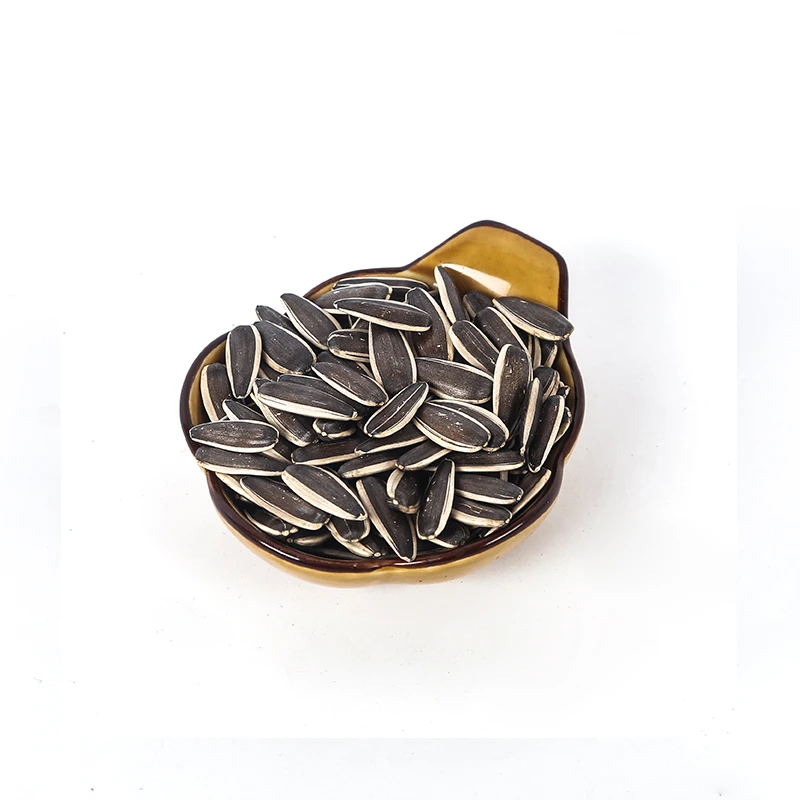
Sunflower seeds ( Helianthus annuus) represent a significant commodity in the global food and oilseed market. This guide details the technical aspects of sourcing healthy sunflower seeds, focusing on parameters crucial for food processors, oil extraction facilities, and animal feed manufacturers. The “health” of a sunflower seed is defined by its chemical composition – oil content, protein levels, fatty acid profile – and physical integrity, particularly absence of mycotoxins and physical damage. Sunflower seeds occupy a unique position in the agricultural supply chain, positioned between agricultural production and finished consumer goods (oil, snacks, feed). Maintaining seed quality throughout this chain is paramount. Core performance metrics encompass oil yield, protein content, kernel integrity (minimizing broken kernels), and absence of undesirable compounds like cadmium and aflatoxins. Effective sourcing requires understanding these parameters and the analytical methods used to assess them.
Material Science & Manufacturing
Sunflower seeds are composed primarily of oil (35-55%), protein (18-25%), carbohydrates (15-20%), and fiber (5-10%). The oil is predominantly comprised of linoleic acid (omega-6) and oleic acid (omega-9), with variations dependent on the sunflower variety (high-oleic, mid-oleic, linoleic). The seed hull, or pericarp, is largely cellulose and lignin, providing structural protection. Manufacturing begins with agricultural practices impacting seed composition – soil type, fertilization, and irrigation significantly influence oil content and fatty acid profiles. Harvesting methods (combine vs. manual) and post-harvest drying are critical. Improper drying leads to increased moisture content, promoting fungal growth and mycotoxin production. Seed dehulling is a common pre-processing step, separating the kernel from the hull. This is typically done mechanically using impact or friction. Parameter control during dehulling is vital to minimize kernel damage. Seed cleaning removes foreign matter (stones, stalks, weed seeds) via screening, aspiration, and gravity separation. Seed grading categorizes seeds by size and density, impacting oil yield and processing efficiency. Storage conditions – temperature and humidity – must be tightly controlled to prevent lipid oxidation and microbial growth. Monitoring seed moisture content (typically <10%) is essential for long-term storage stability. Seed treatment with fungicides may be employed to prevent fungal contamination during storage, but must adhere to regulatory limits.
Performance & Engineering
Assessing sunflower seed quality involves several engineering analyses. Oil content is determined via solvent extraction (typically hexane) followed by gravimetric analysis. Protein content is measured by Kjeldahl or Dumas methods, quantifying nitrogen levels. Fatty acid profiles are determined using gas chromatography (GC-FID), providing detailed composition data. Moisture content is assessed using oven drying methods or near-infrared spectroscopy (NIRS). Kernel hardness is a critical parameter impacting oil extraction efficiency and is measured using penetrometers. Mycotoxin analysis (aflatoxins, ochratoxin A) requires high-performance liquid chromatography (HPLC) or enzyme-linked immunosorbent assay (ELISA). Physical damage assessment involves visual inspection and mechanical sieving to quantify broken kernels and foreign material. During oil extraction, force analysis on seed crushing equipment is crucial for optimizing oil yield and minimizing energy consumption. Environmental resistance considerations include storage stability under varying temperature and humidity conditions. Compliance requirements include adherence to food safety regulations (FDA, EFSA) regarding mycotoxin limits and heavy metal contamination (cadmium). Functional implementation relies on consistent seed quality to ensure predictable oil yields and product characteristics.
Technical Specifications
| Parameter | Unit | Typical Range (High-Oleic Seeds) | Analytical Method |
|---|---|---|---|
| Oil Content | % (dry weight basis) | 48-55% | Solvent Extraction (Hexane) - AOAC Official Method |
| Protein Content | % (dry weight basis) | 18-24% | Kjeldahl or Dumas Method - AOAC Official Method |
| Linoleic Acid | % of total fatty acids | <20% | Gas Chromatography (GC-FID) - AOCS Official Method |
| Oleic Acid | % of total fatty acids | 60-80% | Gas Chromatography (GC-FID) - AOCS Official Method |
| Moisture Content | % | <10% | Oven Drying Method - AACC Method |
| Broken Kernels & Foreign Matter | % | <2% | Visual Inspection & Sieving |
Failure Mode & Maintenance
Sunflower seeds are susceptible to several failure modes. Lipid oxidation, accelerated by exposure to oxygen, light, and heat, leads to rancidity and reduced oil quality. This manifests as off-flavors and a decrease in nutritional value. Mycotoxin contamination, particularly by Aspergillus species producing aflatoxins, is a major safety concern. This occurs primarily during pre-harvest infection or improper post-harvest drying and storage. Physical damage (cracked kernels) increases susceptibility to oxidation and insect infestation. Insect infestation (e.g., by Sitophilus weevils) leads to seed weight loss and quality degradation. Cadmium accumulation, from soil uptake, poses a health risk and is regulated by food safety authorities. Maintenance involves implementing stringent quality control measures throughout the supply chain. Proper drying and storage practices are crucial. Regular monitoring of moisture content, temperature, and humidity is essential. Implementing a Hazard Analysis and Critical Control Points (HACCP) plan is recommended. Preventative measures against insect infestation include fumigation or controlled atmosphere storage. Regular mycotoxin testing is vital. Implementing seed treatment protocols with appropriate fungicides (within regulatory limits) can mitigate fungal growth. Routine cleaning and maintenance of processing equipment minimizes physical damage.
Industry FAQ
Q: What is the acceptable level of aflatoxin in sunflower seeds destined for human consumption?
A: The acceptable level of total aflatoxins in sunflower seeds varies depending on the importing country's regulations. The European Union typically sets a maximum limit of 2.0 µg/kg (parts per billion), while the US FDA limit is 20 µg/kg. It is crucial to verify the specific regulatory requirements of the destination market.
Q: How does the harvesting method affect the quality of sunflower seeds?
A: Combine harvesting can lead to higher levels of broken kernels and foreign material compared to manual harvesting. However, modern combines are equipped with improved threshing and cleaning systems to minimize damage. Proper combine settings and timely harvesting are crucial to preserve seed quality.
Q: What are the key differences between high-oleic and linoleic sunflower seeds in terms of processing?
A: High-oleic seeds are more stable during frying and offer a longer shelf life for edible oils. They require less refining due to lower levels of polyunsaturated fatty acids. Linoleic seeds are more prone to oxidation and may require additional processing steps (e.g., hydrogenation) to improve stability.
Q: How can we ensure consistent oil content in sunflower seeds purchased from different suppliers?
A: Implement a rigorous sampling and testing protocol based on recognized analytical methods (solvent extraction). Establish clear specifications for oil content (e.g., a minimum percentage) and require suppliers to provide Certificates of Analysis (COAs) for each lot. Conduct independent verification testing to confirm supplier data.
Q: What is the impact of seed storage conditions on seed viability and oil quality?
A: Improper storage significantly degrades seed quality. High temperatures and humidity accelerate lipid oxidation and promote fungal growth. Seeds should be stored in a cool, dry, and well-ventilated environment with a moisture content below 10%. Regular monitoring of temperature and humidity is essential.
Conclusion
Sourcing healthy sunflower seeds requires a comprehensive understanding of material science, manufacturing processes, and quality control parameters. The correlation between seed composition (oil content, fatty acid profile, protein levels) and final product quality is undeniable. Implementing stringent analytical testing, maintaining optimal storage conditions, and adhering to international food safety regulations are paramount.
Moving forward, advancements in seed breeding and post-harvest technologies will continue to improve sunflower seed quality and sustainability. The adoption of precision agriculture techniques and improved drying methods will minimize pre-harvest contamination and reduce post-harvest losses. Focus on traceability and supplier auditing will further enhance confidence in the supply chain.
