Introduction
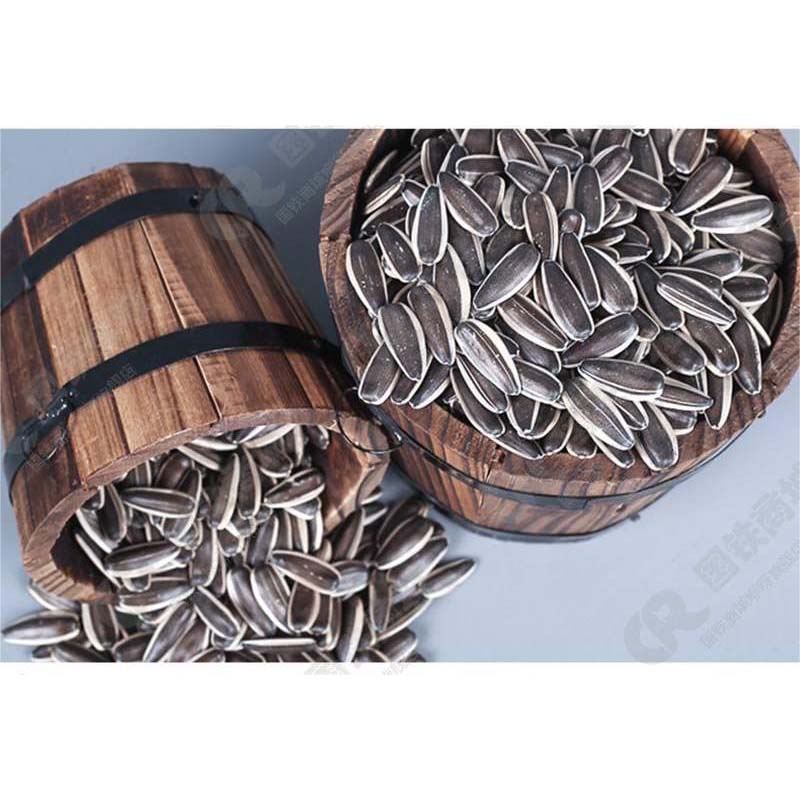
Sunflower seeds ( Helianthus annuus) represent a significant commodity within the agricultural and food processing industries. This technical guide focuses on the parameters defining ‘healthy’ sunflower seeds for B2B supply, differentiating quality attributes critical for oil extraction, confectionary applications, and animal feed. The technical position within the supply chain involves agricultural production, post-harvest processing (drying, cleaning, dehulling, grading), and ultimately, industrial utilization. Core performance characteristics defining a healthy seed encompass oil content, protein content, moisture level, germination rate (for breeding stock), freedom from mycotoxins, and physical integrity. The primary industry pain points revolve around consistent supply of seeds meeting specific oil profile requirements, minimizing aflatoxin contamination, and ensuring minimal mechanical damage during handling and transport. Variations in seed quality directly impact oil yield, processing efficiency, and the final product’s sensory attributes.
Material Science & Manufacturing
Sunflower seeds are primarily composed of lipid (oil) content ranging from 42-58%, protein (20-26%), carbohydrates (15-20%), and fiber (5-10%). The oil is primarily comprised of linoleic acid (typically 60-70%), oleic acid (15-30%), and palmitic acid (3-6%). Seed shell composition is largely cellulose, hemicellulose, and lignin. Manufacturing processes begin with harvesting, typically mechanical. Critical parameters during harvesting include minimizing field losses and preventing mechanical damage. Post-harvest drying is crucial; seeds must be reduced to a moisture content of 8-10% to prevent fungal growth and maintain quality. Drying typically utilizes forced-air systems, controlling temperature (below 40°C to preserve oil quality) and airflow to ensure uniform moisture reduction. Dehulling removes the seed coat, improving oil extraction efficiency. This is typically accomplished mechanically using abrasive or impact methods. Grading separates seeds based on size and density, removing foreign material and immature seeds. Optical sorting technologies are increasingly employed for precise quality control. Quality control checkpoints throughout manufacturing involve moisture content analysis (using near-infrared spectroscopy), oil content determination (Soxhlet extraction or NMR), and visual inspection for damage and foreign material. Seed maturity during harvest significantly influences oil yield and fatty acid composition.
Performance & Engineering
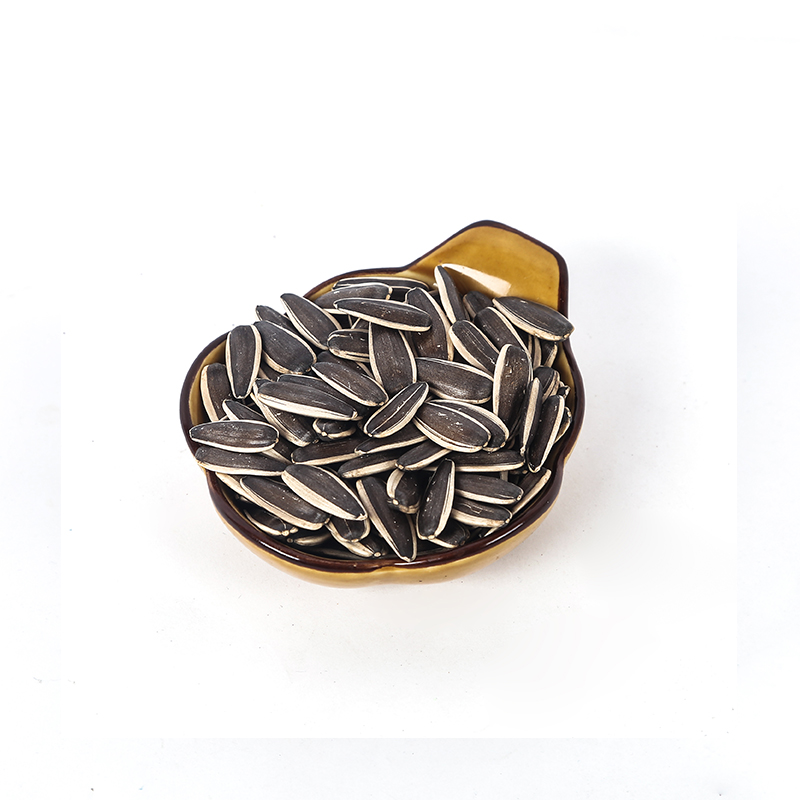
Performance of sunflower seeds is largely dictated by their physical and chemical properties. Force analysis is relevant during handling and processing – seed strength (resistance to cracking and chipping) impacts yield losses. Moisture content influences the seeds’ flowability and susceptibility to clumping during conveying and storage. Environmental resistance refers to the seed’s ability to withstand temperature fluctuations, humidity, and potential insect infestation. Storage facilities must be designed to maintain low humidity (below 65%) and temperature (below 20°C) to prevent degradation. Compliance requirements vary by region, but generally encompass standards for food safety (mycotoxin limits, pesticide residues), seed purity, and labeling accuracy. Germination rate is crucial for breeding stock and is assessed using standard germination tests involving controlled temperature, moisture, and light conditions. Oil extraction efficiency is engineered through optimizing seed preparation (dehulling, flaking) and extraction parameters (temperature, solvent ratio). The presence of free fatty acids (FFAs) affects oil quality and is minimized through careful drying and storage procedures. The structural integrity of the seed hull protects the kernel during handling, affecting the percentage of damaged seeds.
Technical Specifications
| Parameter | Unit | Specification (Oilseed Grade) | Specification (Confectionery Grade) |
|---|---|---|---|
| Oil Content (Dry Basis) | % | ≥48% | ≥50% |
| Moisture Content | % | ≤10% | ≤8% |
| Foreign Matter | % | ≤1% | ≤0.5% |
| Damaged Seeds (Cracked, Chipped) | % | ≤3% | ≤1% |
| Aflatoxin B1 | ppb | ≤20 ppb | ≤5 ppb |
| Free Fatty Acids (FFA) | % | ≤1.0% | ≤0.5% |
Failure Mode & Maintenance
Failure modes in sunflower seeds typically manifest as degradation in oil quality, reduced germination rates, or contamination. Aflatoxin contamination, caused by Aspergillus flavus fungi, is a significant concern, particularly under conditions of high moisture and temperature during storage. This results in the production of carcinogenic mycotoxins. Insect infestation can lead to seed damage and reduce oil yield. Mechanical damage (cracking, chipping) during harvesting, drying, or handling increases susceptibility to oxidation and reduces market value. Lipid oxidation, induced by exposure to oxygen, light, and heat, leads to rancidity and reduced oil quality. Maintenance strategies include implementing strict hygiene protocols during post-harvest processing, utilizing proper drying techniques, controlling storage temperature and humidity, and implementing integrated pest management programs. Regular monitoring for aflatoxin levels is essential. Employing airtight storage containers and inert gas blanketing can minimize oxidation. Preventative maintenance of harvesting and processing equipment reduces mechanical damage. Seed treatments with antifungal agents can mitigate aflatoxin risk, though regulatory restrictions apply.
Industry FAQ
Q: What is the acceptable tolerance for genetically modified (GM) sunflower seeds in shipments destined for the European Union?
A: The European Union has stringent regulations regarding GM content in food and feed. Typically, a tolerance level of 0.9% for adventitious and technically unavoidable GM content is permitted, but this can vary depending on the specific event and the importing country’s regulations. Suppliers must provide comprehensive documentation certifying the non-GM status of the seeds or demonstrate compliance with the tolerance levels.
Q: How do you ensure consistent oil content across different batches of sunflower seeds?
A: Consistent oil content is ensured through a combination of factors. We work with growers committed to specific sunflower varieties known for high oil yields. Rigorous quality control measures are implemented throughout the harvest and post-harvest processing stages, including monitoring seed maturity, controlling drying temperatures, and utilizing optical sorting technologies to remove immature or damaged seeds. Each batch undergoes laboratory analysis for oil content using validated methods (NMR or Soxhlet extraction) before shipment.
Q: What measures are in place to prevent aflatoxin contamination, and how is it monitored?
A: We employ a multi-faceted approach to prevent aflatoxin contamination. This includes sourcing seeds from regions with low aflatoxin risk, implementing proper drying techniques to reduce moisture content rapidly, utilizing appropriate storage conditions (low temperature and humidity), and employing preventative antifungal treatments where permissible. Each batch undergoes rigorous testing for aflatoxin B1 using ELISA or HPLC methods, ensuring compliance with international standards.
Q: What packaging options are available to maintain seed quality during long-distance transportation?
A: We offer a range of packaging options to ensure seed quality during transit. These include polypropylene woven bags with polyethylene liners (typically 25kg or 50kg), bulk bags (FIBCs) for larger volumes, and vacuum-sealed packaging for enhanced preservation. Packaging materials are selected to provide protection against moisture, oxygen, and physical damage. We also offer palletizing and shrink-wrapping services for added security.
Q: Can you provide a Certificate of Analysis (CoA) with each shipment, detailing all relevant quality parameters?
A: Yes, a comprehensive Certificate of Analysis (CoA) is provided with each shipment. The CoA includes detailed results for oil content, moisture content, protein content, foreign matter, damaged seeds, aflatoxin levels, FFA content, and germination rate (if applicable). The CoA is generated by our accredited laboratory and provides complete traceability for each batch.
Conclusion
The quality of healthy sunflower seeds is a complex interplay of genetic factors, agricultural practices, and post-harvest processing techniques. Maintaining consistent oil content, minimizing aflatoxin contamination, and preventing mechanical damage are critical for ensuring optimal performance in downstream applications. Rigorous quality control throughout the supply chain, coupled with adherence to international standards, is paramount.
Future trends in sunflower seed production will likely focus on developing varieties with improved oil profiles (higher oleic acid content), enhanced resistance to disease and pests, and optimized drying characteristics. Implementing advanced data analytics and predictive modeling can further improve process control and minimize quality variations. Continued investment in research and development will be essential for meeting the evolving demands of the global food and industrial markets.
