Introduction
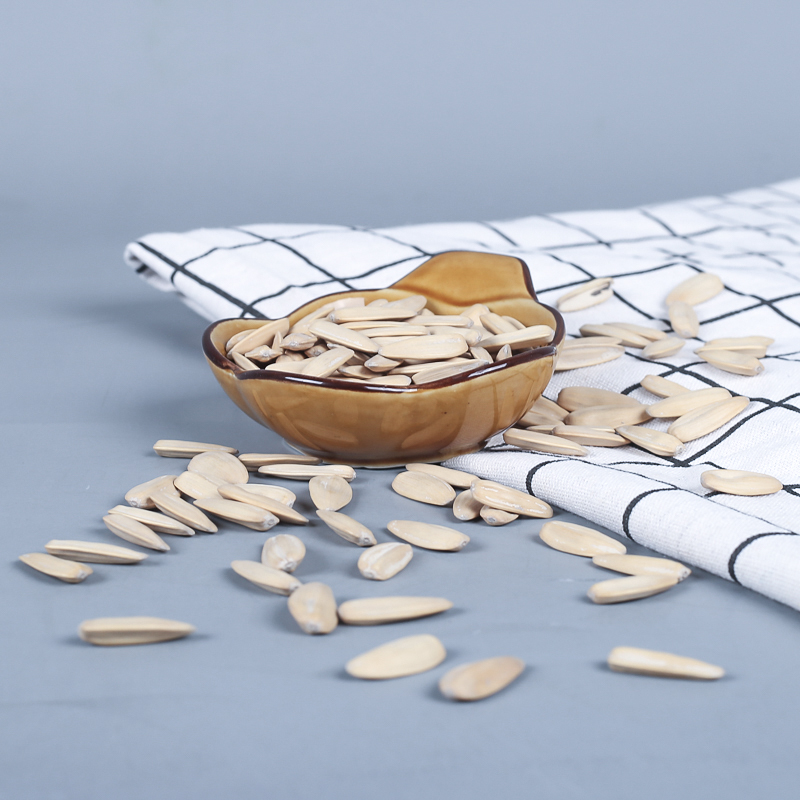
Sunflower seeds ( Helianthus annuus L.) represent a significant agricultural commodity with increasing relevance in the functional food and nutraceutical sectors. This technical guide details the critical aspects of healthy sunflower seeds products, encompassing their biochemical composition, processing methodologies, quality control parameters, potential degradation pathways, and industry standards. The seeds are positioned as a vital component in the human food chain, providing essential fatty acids, proteins, vitamins, and minerals. Current market demands prioritize seeds with maximized nutritional value, minimal processing-induced damage, and adherence to stringent food safety regulations. This document serves as a comprehensive resource for professionals involved in the cultivation, processing, quality assurance, and application of sunflower seeds for human consumption, addressing core industry concerns regarding product integrity and consumer health.
Material Science & Manufacturing
Sunflower seeds are primarily composed of lipids (35-50% by weight), proteins (18-25%), carbohydrates (15-20%), and fiber (5-10%), alongside essential micronutrients. The lipid fraction consists predominantly of linoleic acid (C18:2, ω-6) and oleic acid (C18:1, ω-9), contributing to the seed’s nutritional value. Protein composition includes globulins, albumins, and glutelins. Manufacturing begins with harvesting, typically mechanically executed, followed by drying to a moisture content of approximately 9-10% to inhibit enzymatic activity and mold growth. Dehulling is a critical step, often achieved through impact or friction methods. The efficiency of dehulling impacts the final product’s purity and market acceptability. Kernel processing involves cleaning, grading based on size and density, and potential heat treatment (roasting or steaming) to enhance flavor and improve shelf life. Roasting, controlled at temperatures ranging from 120-160°C, induces Maillard reactions, generating desirable aromas and colors. Precise control of temperature and time is essential to minimize acrylamide formation and lipid oxidation. Seed coating applications, utilizing vegetable oils or specialized polymers, are employed to enhance handling characteristics, prevent clumping, and deliver functional ingredients (e.g., vitamins, minerals).
Performance & Engineering
The performance of sunflower seeds, in terms of storage stability and nutritional retention, is significantly influenced by water activity (aw). Maintaining aw below 0.65 is critical to prevent microbial growth and enzymatic degradation. Packaging materials play a vital role in controlling aw and oxygen permeability. Barrier properties against oxygen (OTR) and water vapor (WVTR) are paramount for preserving lipid quality and preventing rancidity. Finite element analysis (FEA) can be employed to optimize seed handling and processing equipment, minimizing kernel breakage and maximizing dehulling efficiency. Force analysis during dehulling informs the design of impact surfaces and friction mechanisms. Environmental resistance is assessed through accelerated shelf-life testing, simulating temperature and humidity fluctuations. Compliance requirements, including those related to aflatoxin levels (regulated by various national and international bodies) and heavy metal contamination, must be rigorously met. Functional implementation relies on consistent seed size and quality for automated processing in food manufacturing lines.
Technical Specifications
| Parameter | Unit | Typical Value | Acceptable Range |
|---|---|---|---|
| Oil Content | % (Dry Weight) | 48-52 | 42-58 |
| Protein Content | % (Dry Weight) | 20-24 | 18-26 |
| Moisture Content | % | 8-9 | <10 |
| Linoleic Acid (C18:2) | % of Total Fatty Acids | 60-70 | 55-75 |
| Oleic Acid (C18:1) | % of Total Fatty Acids | 20-30 | 15-35 |
| Aflatoxin B1 | ppb | <2 | <4 (Regulatory Limit) |
Failure Mode & Maintenance
Sunflower seeds are susceptible to several failure modes during storage and processing. Lipid oxidation, leading to rancidity, is a primary concern, accelerated by exposure to oxygen, light, and elevated temperatures. Mitigation strategies include packaging with oxygen barriers, addition of antioxidants (e.g., Vitamin E), and controlled storage conditions (low temperature, dark environment). Kernel cracking and breakage during processing contribute to yield loss and reduced quality. Optimizing processing parameters and employing robust equipment design minimizes this issue. Microbial contamination, particularly by Aspergillus species leading to aflatoxin production, represents a significant food safety hazard. Strict adherence to Good Manufacturing Practices (GMP) and rigorous quality control testing are essential. Insect infestation can also lead to product damage and contamination. Proper storage hygiene and preventative pest control measures are crucial. Maintenance of processing equipment includes regular cleaning, lubrication, and inspection for wear and tear. Monitoring seed moisture content and aw is vital for preventing microbial growth and maintaining product stability. Routine sensory evaluations (odor, taste, appearance) are also key for identifying early signs of degradation.
Industry FAQ
Q: What is the optimal storage temperature for maintaining sunflower seed oil quality?
A: Maintaining storage temperatures below 10°C (50°F) significantly slows down lipid oxidation rates, preserving oil quality and extending shelf life. Refrigeration is recommended for long-term storage. Avoiding temperature fluctuations is also crucial.
Q: How does the dehulling process impact the nutritional profile of sunflower seeds?
A: The dehulling process can affect the fiber content and antioxidant levels, as some of these components are concentrated in the seed coat. Gentle dehulling methods that minimize kernel damage are preferred to preserve maximum nutritional value.
Q: What are the key considerations when selecting packaging materials for sunflower seeds?
A: Packaging materials should exhibit excellent barrier properties against oxygen, moisture, and light. High-density polyethylene (HDPE) or multilayer films with aluminum foil layers are commonly used. The material should also be food-grade and compliant with relevant regulations.
Q: What analytical methods are used to determine the quality of sunflower seeds?
A: Key analytical methods include oil content determination (Soxhlet extraction), protein content analysis (Kjeldahl method), moisture content determination (oven drying), fatty acid profile analysis (gas chromatography), and aflatoxin analysis (HPLC or ELISA).
Q: How can acrylamide formation during roasting be minimized?
A: Controlling roasting temperature and time is critical. Maintaining temperatures below 150°C (302°F) and minimizing roasting duration can significantly reduce acrylamide formation. Using reducing sugars as additives may also help inhibit acrylamide development, but must be done carefully and in accordance with regulatory standards.
Conclusion
Healthy sunflower seeds products represent a valuable nutritional resource demanding meticulous attention to both material science and manufacturing processes. Controlling key parameters such as moisture content, lipid oxidation, and microbial contamination is paramount for ensuring product quality, safety, and longevity. A holistic approach encompassing optimal harvesting techniques, efficient processing methodologies, appropriate packaging selection, and rigorous quality control is vital for maintaining the integrity and nutritional value of sunflower seeds.
Future developments in sunflower seed processing will likely focus on enhanced dehulling technologies minimizing kernel damage, innovative packaging solutions providing superior barrier properties, and advanced analytical techniques for rapid and accurate quality assessment. Furthermore, the development of sunflower seed varieties with improved lipid profiles and enhanced nutritional content will continue to drive innovation in this sector, responding to evolving consumer demands for healthy and sustainable food options.
