Introduction
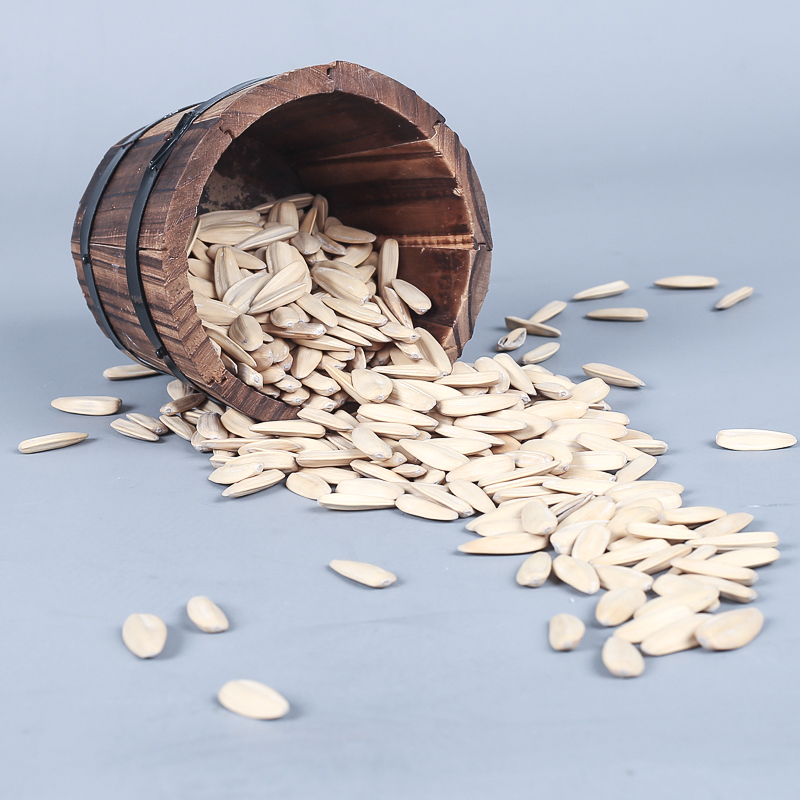
Sunflower seeds ( Helianthus annuus) represent a significant agricultural commodity and functional food ingredient, positioned within the broader edible oilseed and snack food industries. This technical guide details the science and engineering behind healthy sunflower seeds, focusing on cultivars bred for high oleic acid content, low linoleic acid levels, and optimized nutrient profiles. The seed itself is a complex biological structure comprised of a hull (pericarp), kernel, and embryo, each contributing to overall quality and functionality. Core performance characteristics center around oil content, protein content, fatty acid composition (oleic, linoleic, palmitic), vitamin E levels, and the presence of bioactive compounds. Maintaining these qualities through proper cultivation, harvesting, processing, and storage is paramount for delivering a consistent and nutritionally valuable product. The increasing demand for plant-based proteins and healthier snack options drives continued research and development in sunflower seed breeding and processing technologies, addressing challenges related to hulling efficiency, kernel damage, and oil stability.
Material Science & Manufacturing
The primary raw material, the sunflower seed, exhibits complex physical and chemical properties governed by its genetic makeup and environmental conditions during growth. The kernel’s composition is approximately 40-50% oil, 20-30% protein, 10-20% carbohydrate, and 5-10% moisture. Oil consists predominantly of triglycerides, with fatty acid profiles varying significantly between cultivars. High-oleic sunflower seeds, increasingly favored, contain >70% oleic acid, conferring improved oxidative stability. The hull (pericarp) is composed primarily of cellulose, hemicellulose, and lignin, providing structural integrity but requiring removal during processing. Manufacturing begins with harvesting, typically utilizing combine harvesters equipped with threshing and cleaning systems. Post-harvest drying is crucial to reduce moisture content to <8% to prevent fungal growth and lipid oxidation. Hulling is a critical step, achieved through mechanical cracking and separation. Hulling efficiency is influenced by seed moisture content, impact velocity, and clearance settings. Dehulling processes can lead to kernel damage, impacting oil quality and appearance. Subsequent cleaning and grading separates damaged seeds, foreign matter, and varying kernel sizes. Seed processing may involve roasting, salting, flavoring, or oil extraction. Roasting parameters (temperature, time) are precisely controlled to develop desirable flavor profiles while minimizing acrylamide formation. Oil extraction typically employs solvent extraction (hexane) or mechanical pressing, each with associated advantages and disadvantages regarding yield, purity, and environmental impact. Parameter control focuses on maintaining optimal temperature and pressure during all stages to preserve oil quality and prevent degradation.
Performance & Engineering
The performance of sunflower seeds, particularly concerning their utility in food applications, is intrinsically linked to their physical and chemical resistance to processing stresses and environmental factors. Force analysis during hulling focuses on the fracture mechanics of the seed coat. High impact forces can lead to kernel splitting and damage, reducing market value. Environmental resistance relates to lipid oxidation, a major degradation pathway influenced by oxygen, light, temperature, and the presence of metal ions. High-oleic seeds exhibit superior oxidative stability due to the lower susceptibility of oleic acid to peroxidation. Packaging materials play a crucial role in minimizing oxygen transmission rates (OTR) and moisture vapor transmission rates (WVTR). Compliance requirements dictate permissible levels of contaminants (heavy metals, pesticides) and microbial loads, adhering to regulations set by governing bodies (FDA, EFSA). Functional implementation, such as incorporation into snack foods, requires consideration of textural properties, particle size distribution, and flavor compatibility. Engineered cultivars are designed to optimize these characteristics, maximizing consumer appeal and nutritional value. Furthermore, assessing the seeds’ performance during oil extraction involves analyzing oil yield, residual oil content in the seed cake, and the quality of the extracted oil in terms of acidity, peroxide value, and color.
Technical Specifications
| Parameter | Unit | Typical Value (High Oleic) | Test Method |
|---|---|---|---|
| Oil Content | % (Dry Weight Basis) | 48-58 | AOAC 983.23 |
| Protein Content | % (Dry Weight Basis) | 18-26 | AOAC 978.04 |
| Oleic Acid | % of Total Fatty Acids | >70 | AOCS Cd 14-91 |
| Linoleic Acid | % of Total Fatty Acids | <15 | AOCS Cd 14-91 |
| Moisture Content | % | <8 | AOAC 925.10 |
| Kernel Damage (Broken Kernels) | % | <5 | Visual Inspection (ASTM E285) |
Failure Mode & Maintenance
Sunflower seeds are susceptible to several failure modes throughout their lifecycle. Lipid Oxidation is a primary degradation pathway, leading to rancidity and off-flavors, particularly during storage. This is exacerbated by exposure to oxygen, light, and elevated temperatures. Hull Damage during harvesting and processing can compromise kernel integrity and increase susceptibility to microbial contamination. Microbial Growth (molds, yeasts) can occur if moisture content is not adequately controlled, potentially producing mycotoxins. Kernel Cracking during hulling reduces product quality and yield. Insect Infestation can lead to significant losses during storage. Maintenance strategies include implementing stringent quality control measures throughout the supply chain. This encompasses proper drying techniques to achieve optimal moisture content, employing inert gas packaging (nitrogen flushing) to minimize oxygen exposure, utilizing appropriate storage conditions (cool, dry, dark), and implementing regular pest control programs. Preventative maintenance of processing equipment (hullers, cleaners) is crucial to minimize kernel damage. Regular monitoring of oil quality parameters (peroxide value, acidity) is essential to detect early signs of oxidation. Implementing a First-In, First-Out (FIFO) inventory management system helps ensure that older stock is utilized before newer stock, minimizing storage time and the risk of degradation. Furthermore, proper sanitation practices throughout the processing facility are vital to prevent microbial contamination.
Industry FAQ
Q: What is the significance of high-oleic sunflower seed oil compared to traditional sunflower oil?
A: High-oleic sunflower oil exhibits significantly improved oxidative stability due to its high concentration of oleic acid, a monounsaturated fatty acid. This translates to a longer shelf life, reduced need for preservatives, and suitability for higher-temperature cooking applications compared to traditional sunflower oil, which is rich in polyunsaturated linoleic acid and prone to oxidation.
Q: How does hulling efficiency impact the overall economic viability of sunflower seed processing?
A: Hulling efficiency directly affects processing costs and product yield. Lower efficiency results in increased kernel breakage, higher hull content in the final product, and increased waste. Optimizing hulling parameters, such as seed moisture content and impact velocity, is crucial for maximizing economic returns.
Q: What are the key quality control parameters for assessing sunflower seed suitability for oil extraction?
A: Key parameters include oil content, moisture content, free fatty acid content, peroxide value (indicating oxidation), and the presence of foreign matter. These parameters dictate oil yield, oil quality, and the potential for refining costs.
Q: What regulatory considerations pertain to the use of sunflower seeds and sunflower oil in food applications?
A: Regulations vary by region but generally address permissible levels of contaminants (heavy metals, pesticides), mycotoxins, and adherence to food safety standards (HACCP, GMP). Compliance with FDA (US), EFSA (Europe), and other relevant governing bodies is essential.
Q: How can storage conditions be optimized to minimize lipid oxidation in sunflower seeds?
A: Optimal storage conditions include maintaining low temperature (below 25°C), low humidity (below 65% relative humidity), minimizing exposure to light, and employing inert gas packaging (nitrogen flushing) to reduce oxygen levels. Proper ventilation and pest control are also critical.
Conclusion
Healthy sunflower seeds represent a versatile and increasingly valuable resource within the agricultural and food industries. The inherent complexities of their composition – encompassing oil content, protein profiles, and fatty acid distributions – necessitate precise control over cultivation, harvesting, and processing methodologies. Optimizing hulling efficiency, minimizing kernel damage, and mitigating lipid oxidation are critical engineering challenges driving innovation in seed technology.
Continued advancements in breeding programs, focusing on traits like increased oleic acid content and improved disease resistance, promise to further enhance the nutritional value and sustainability of sunflower seed production. Adherence to stringent quality control standards and regulatory guidelines is paramount to ensuring the safety and efficacy of sunflower seed-based products, solidifying their role in meeting growing consumer demand for healthy and functional food ingredients.
