Introduction
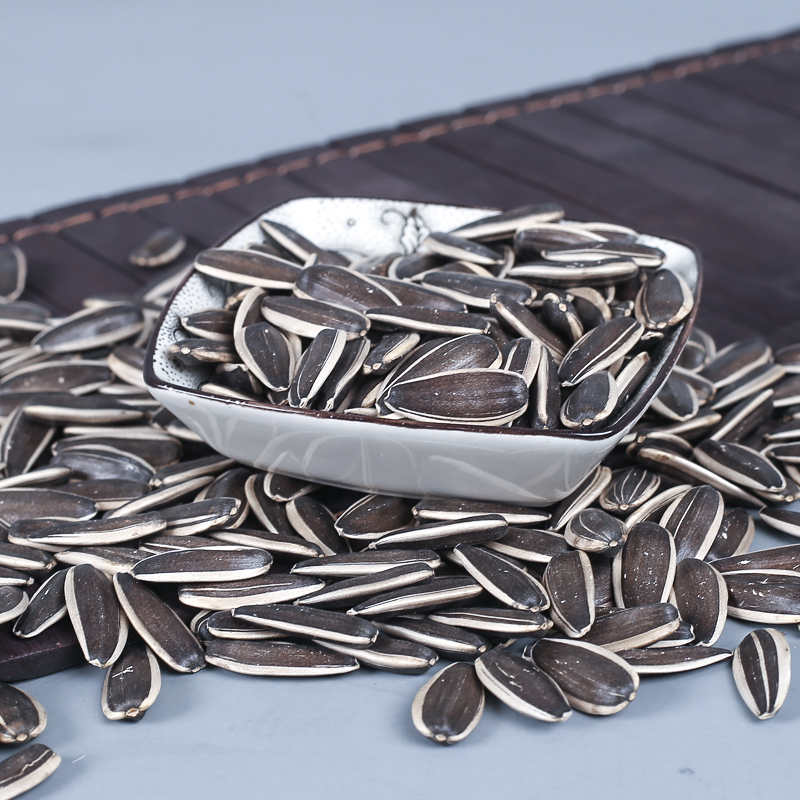
Sunflower seeds ( Helianthus annuus L.) are a globally significant oilseed crop and increasingly recognized as a valuable food source. Healthy sunflower seeds, specifically those manufactured for human consumption, represent a complex product defined not simply by the seed itself, but by the integrated processes of breeding, cultivation, harvesting, processing, and quality control. This guide details the technical aspects of producing high-quality, healthy sunflower seeds, focusing on chemical composition, processing methodologies, quality assurance parameters, and potential degradation pathways. Within the agricultural commodities supply chain, sunflower seed manufacturers bridge the gap between agricultural production and food processing industries. The core performance criteria center around oil content, protein content, fatty acid profile, and the absence of contaminants (aflatoxins, heavy metals, pesticide residues). The increasing consumer demand for nutritious, plant-based foods drives ongoing advancements in seed breeding and processing technologies. This technical guide is geared towards procurement managers, quality control engineers, and manufacturing supervisors within the sunflower seed industry.
Material Science & Manufacturing
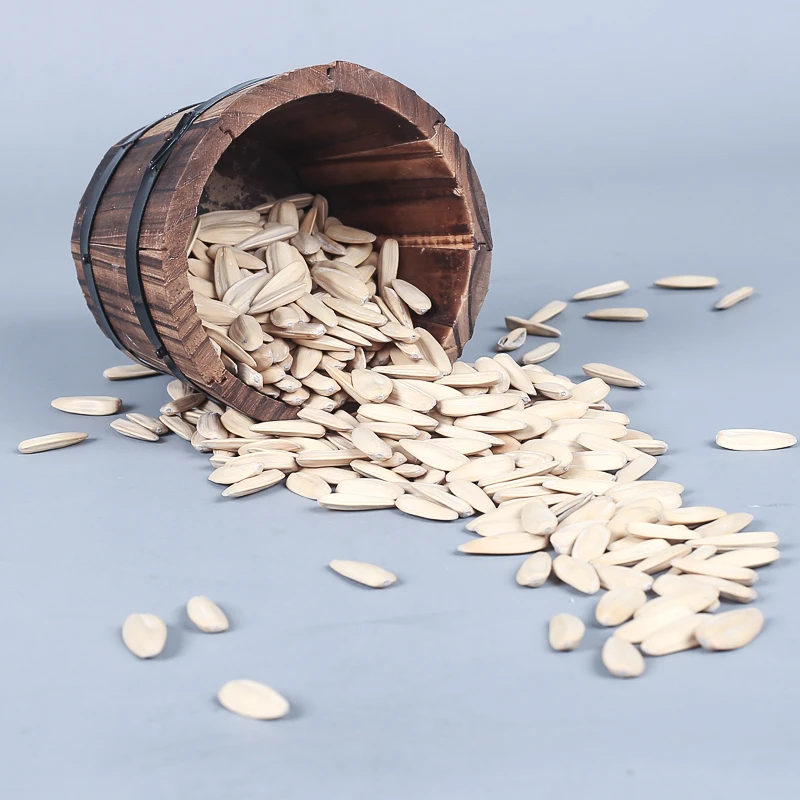
Sunflower seeds are composed primarily of lipid (oil) content, typically ranging from 42-58% depending on the cultivar. The oil is rich in linoleic acid (C18:2, ω-6) and oleic acid (C18:1, ω-9), with varying levels of palmitic (C16:0) and stearic (C18:0) acids. Protein content varies between 20-25%, consisting of essential amino acids. The seed hull, or pericarp, is composed of cellulose, hemicellulose, and lignin, providing a protective barrier. Manufacturing begins with seed selection focusing on high oil content and disease resistance. Harvesting is critical; seeds must be dried to a moisture content of approximately 9-10% to prevent fungal growth and aflatoxin contamination. Drying occurs through forced-air systems, with temperature control crucial to avoid protein denaturation. Post-drying, seeds undergo cleaning (removal of stalks, leaves, and other debris) using sieves, air separators, and magnetic separators (to remove metallic contaminants). Dehulling, a crucial step, removes the pericarp, increasing the oil content of the final product. Dehulling methods include impact dehulling and roller dehulling. Impact dehulling is faster but can cause more seed damage. Roller dehulling is gentler but less efficient. Key parameters include roller gap, feed rate, and impact velocity. Sorting is performed using optical sorters, identifying and removing discolored or damaged seeds. Finally, seeds are often coated with food-grade polymers to improve flowability and protect against moisture uptake. Coating thickness and composition are tightly controlled.
Performance & Engineering
The engineering challenges in healthy sunflower seed manufacturing center around minimizing seed damage, maximizing oil yield, and ensuring food safety. Force analysis during dehulling is critical; excessive force leads to seed fracturing and oil loss. Finite element analysis (FEA) is used to optimize roller geometry and impactor design. Environmental resistance, particularly to moisture, is paramount. The water activity (Aw) of the seeds must be maintained below 0.6 to inhibit microbial growth. Packaging materials with low oxygen transmission rates (OTR) and water vapor transmission rates (WVTR) are essential. Compliance requirements are stringent, governed by regulations such as those set forth by the FDA (Food and Drug Administration) in the US, EFSA (European Food Safety Authority) in Europe, and equivalent agencies globally. Specifically, limits for aflatoxins (typically below 20 ppb), heavy metals (lead, cadmium, mercury), and pesticide residues are legally mandated. Functional implementation involves continuous monitoring of process parameters (temperature, humidity, feed rate, roller gap) using sensors and automated control systems. Statistical Process Control (SPC) charts are employed to identify and address deviations from target values. Furthermore, the engineering of storage facilities is crucial to prevent insect infestation and maintain seed quality over extended periods, often utilizing controlled atmosphere storage (CAS) with modified gas compositions.
Technical Specifications
| Parameter | Unit | Typical Value | Acceptable Range |
|---|---|---|---|
| Oil Content | % (Dry Basis) | 50 | 48 – 55 |
| Protein Content | % (Dry Basis) | 22 | 20 – 25 |
| Moisture Content | % | 9 | 8 – 10 |
| Aflatoxin B1 | ppb | <2 | <20 |
| Free Fatty Acids (FFA) | % | 0.5 | <1.0 |
| Peroxide Value | meq O2/kg | 3 | <5 |
Failure Mode & Maintenance
Sunflower seeds are susceptible to several failure modes. Fatigue cracking of the seed coat can occur during dehulling, leading to oil leakage and reduced quality. Delamination of the seed coat, often induced by improper drying or impact forces, similarly degrades quality. Lipid oxidation, particularly of unsaturated fatty acids, leads to rancidity and off-flavors. This is accelerated by exposure to oxygen, light, and elevated temperatures. Aflatoxin contamination, caused by Aspergillus flavus and Aspergillus parasiticus fungi, is a critical food safety concern. This is exacerbated by drought stress during cultivation and improper post-harvest handling. Insect infestation (e.g., by Sitophilus oryzae - rice weevil) can cause significant losses. Maintenance involves regular cleaning of processing equipment to prevent buildup of seed debris and fungal spores. Temperature and humidity control systems must be maintained and calibrated regularly. Optical sorters require frequent cleaning and recalibration to ensure accurate defect detection. Storage facilities must be inspected regularly for signs of insect activity and moisture intrusion. Preventative maintenance schedules for dehulling equipment (roller replacement, bearing lubrication) are essential. Implementing a robust Hazard Analysis and Critical Control Points (HACCP) plan is vital for mitigating food safety risks. Regular testing for aflatoxins, heavy metals, and pesticide residues is crucial.
Industry FAQ
Q: What is the impact of seed moisture content on aflatoxin formation?
A: High seed moisture content (above 10%) creates an ideal environment for Aspergillus fungal growth. Controlling moisture content during drying and storage is the most effective strategy for preventing aflatoxin contamination. Rapid and uniform drying to a moisture content of 9-10%, followed by proper storage in low-humidity environments, is critical.
Q: How does the dehulling process affect the oil quality of sunflower seeds?
A: Aggressive dehulling can cause seed damage, leading to increased free fatty acid (FFA) levels due to lipid hydrolysis. Gentle dehulling methods (e.g., roller dehulling) and careful control of dehulling parameters (roller gap, feed rate) minimize seed damage and preserve oil quality. Monitoring FFA levels is a key quality control indicator.
Q: What are the key considerations when selecting packaging materials for sunflower seeds?
A: Packaging materials should provide a barrier against oxygen, moisture, and light. Low OTR and WVTR are essential to prevent lipid oxidation and maintain seed viability. Materials should also be food-grade and compliant with relevant regulations. Options include multi-layer films with aluminum foil or metallized polyester layers.
Q: How do different sunflower cultivars affect the fatty acid profile of the oil?
A: Sunflower cultivars vary significantly in their fatty acid profiles. High-oleic cultivars contain predominantly oleic acid (C18:1), which is more stable to oxidation and provides better frying performance. Linoleic cultivars contain higher levels of linoleic acid (C18:2). Cultivar selection is driven by market demand and desired oil characteristics.
Q: What role does optical sorting play in quality control?
A: Optical sorting is a critical step for removing discolored, damaged, or foreign material from sunflower seeds. Advanced optical sorters utilize cameras and image processing algorithms to detect subtle defects that would be difficult to identify manually. This ensures a high-quality product and minimizes contamination risks.
Conclusion
The production of healthy sunflower seeds is a complex process requiring stringent control over material science, manufacturing processes, and quality assurance parameters. Maintaining optimal moisture content, employing gentle dehulling techniques, and utilizing appropriate packaging materials are fundamental to preserving seed quality and preventing degradation. Adherence to international food safety standards and implementation of robust HACCP plans are essential for mitigating risks associated with aflatoxin contamination and other hazards.
Future advancements in sunflower seed manufacturing will likely focus on improved seed breeding for enhanced oil content and disease resistance, optimization of dehulling technologies to minimize seed damage, and development of more sustainable and environmentally friendly processing methods. Continuous monitoring of process parameters and implementation of data-driven quality control strategies will be crucial for ensuring consistent production of high-quality, healthy sunflower seeds.
