
Introduction
Sunflower seeds (Helianthus annuus) represent a significant agricultural commodity globally, particularly within the healthy food sector. This technical guide focuses on the manufacturing considerations for high-quality, healthy sunflower seeds intended for direct human consumption. The position within the food supply chain involves post-harvest processing, grading, cleaning, drying, dehulling (in some cases), and quality control measures. Core performance characteristics center around oil content, protein concentration, fatty acid profile, moisture content, and the absence of harmful contaminants. The increasing consumer demand for nutrient-dense snacks and healthy fats drives the need for optimized manufacturing processes to preserve seed integrity and nutritional value. This guide will detail the scientific principles and engineering controls critical to achieving superior sunflower seed quality.
Material Science & Manufacturing
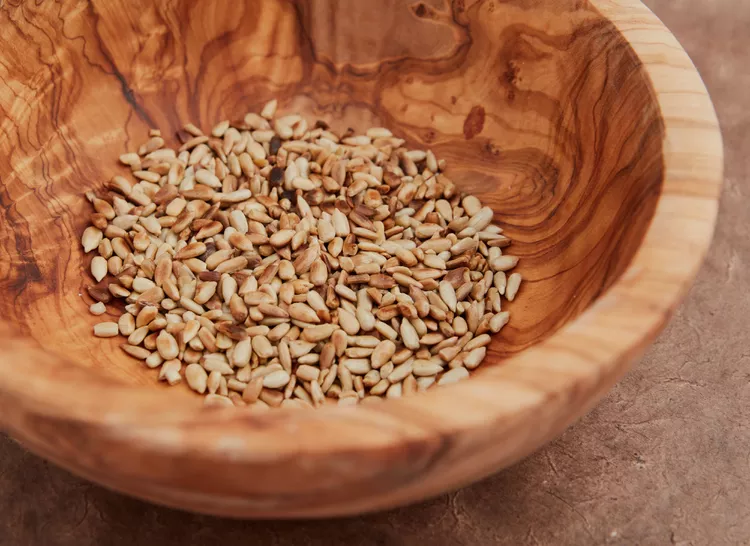
The primary raw material is, naturally, sunflower seed kernels. These kernels are composed of approximately 20-50% oil, 20-30% protein, 15-25% carbohydrates (primarily fiber), and 5-10% moisture. The oil composition is dominated by linoleic acid (a polyunsaturated omega-6 fatty acid), followed by oleic acid (a monounsaturated fatty acid). Seed coat composition is predominantly cellulose and lignin, providing a protective barrier. Manufacturing begins with harvesting, typically utilizing combine harvesters. Post-harvest, the seeds undergo cleaning to remove chaff, stems, leaves, and other foreign material, often employing a combination of sieves, air separation, and magnetic separators. Crucially, moisture content must be reduced to below 9% for safe storage, achieved through controlled-temperature drying (typically 40-60°C). This is a critical step; rapid drying can induce stress cracking in the kernels, reducing oil quality and increasing susceptibility to fungal growth. Dehulling, optional but common, removes the outer hull, enhancing the seed’s appearance and improving edibility. This process uses friction or impact dehullers, requiring careful calibration to minimize kernel damage. Finally, grading is performed based on size, shape, and color, often utilizing optical sorting technology. Parameter control focuses on drying air temperature, dehuller gap settings, sieve apertures, and optical sorting algorithms. Seed quality is directly related to the genetic cultivar, growing conditions, and careful handling throughout the entire process. Storage conditions – temperature, humidity, and oxygen levels – dramatically affect shelf life and seed quality.
Performance & Engineering
Engineering considerations for healthy sunflower seeds manufacturing center around preserving seed viability and nutritional quality. Force analysis is relevant in dehulling, where minimizing impact forces is essential to prevent kernel fractures. Environmental resistance focuses on preventing lipid oxidation, which is accelerated by exposure to oxygen, light, and heat. Packaging plays a crucial role in this. Modified Atmosphere Packaging (MAP) techniques, utilizing nitrogen flushing to reduce oxygen levels, are frequently employed. Compliance requirements are stringent, dictated by food safety regulations such as those from the FDA (Food and Drug Administration) in the USA and EFSA (European Food Safety Authority) in Europe. These regulations mandate strict limits on mycotoxin contamination (aflatoxins being the most significant concern), pesticide residues, and heavy metal concentrations. Functional implementation involves sophisticated quality control systems. Near-infrared (NIR) spectroscopy is increasingly used for rapid, non-destructive assessment of oil content, protein levels, and moisture content. Color sorting technology ensures uniformity and removes discolored or damaged seeds. Process control systems, utilizing Programmable Logic Controllers (PLCs), automate and monitor critical parameters like drying temperature and dehuller settings. Hygienic design principles are paramount throughout the entire facility to prevent contamination.
Technical Specifications
| Parameter | Unit | Typical Range | Test Method |
|---|---|---|---|
| Oil Content | % (dry weight basis) | 40-50 | Soxhlet Extraction (AOCS Official Method) |
| Protein Content | % (dry weight basis) | 20-28 | Kjeldahl Method (AOAC Official Method) |
| Moisture Content | % | < 9 | Oven Drying (AACC Method) |
| Linoleic Acid Content | % of total fatty acids | 50-70 | Gas Chromatography-Fatty Acid Methyl Ester (GC-FAME) |
| Oleic Acid Content | % of total fatty acids | 15-40 | Gas Chromatography-Fatty Acid Methyl Ester (GC-FAME) |
| Aflatoxin B1 | ppb | < 2 | ELISA or HPLC |
Failure Mode & Maintenance
Sunflower seeds are susceptible to several failure modes. Lipid oxidation, leading to rancidity, is a primary concern, manifesting as off-flavors and reduced nutritional value. This is accelerated by improper storage and packaging. Kernel cracking, often occurring during dehulling or handling, reduces the seed’s aesthetic appeal and increases susceptibility to fungal contamination. Microbial contamination, particularly with aflatoxin-producing fungi (Aspergillus flavus), poses a serious health risk. This is favored by high moisture content and inadequate storage conditions. Maintenance involves regular cleaning and sanitation of processing equipment to prevent microbial growth. Dehullers require periodic inspection and replacement of wearing parts (impact plates, friction surfaces). Driers necessitate monitoring of air temperature and airflow to ensure optimal drying performance and prevent overheating. Storage facilities must be meticulously maintained to control temperature, humidity, and pest infestations. Preventative maintenance programs, including scheduled inspections, lubrication, and parts replacement, are crucial. Regular testing for aflatoxins and other contaminants is essential to ensure product safety and quality. Implementing a robust Hazard Analysis and Critical Control Points (HACCP) system is vital for identifying and mitigating potential hazards.
Industry FAQ
Q: What are the primary concerns regarding aflatoxin contamination in sunflower seeds, and what steps are taken to mitigate this risk?
A: Aflatoxins are highly toxic metabolites produced by certain molds, primarily Aspergillus flavus and Aspergillus parasiticus. They pose a significant health risk due to their carcinogenic properties. Mitigation involves rigorous control of moisture content throughout the entire process – from harvesting to storage. This includes rapid and effective drying, proper storage conditions (low temperature and humidity), and the use of antifungal treatments where permitted by regulations. Regular testing using ELISA or HPLC is critical, and contaminated batches are rejected.
Q: How does the dehulling process impact the oil quality of sunflower seeds?
A: Improper dehulling can cause micro-fractures in the kernel, leading to increased oil oxidation and a reduction in shelf life. The goal is to remove the hull efficiently while minimizing kernel damage. This requires careful calibration of dehuller settings (gap width, impact force) and monitoring of kernel breakage rates. Some manufacturers opt to skip dehulling altogether to preserve oil quality, particularly for premium products.
Q: What is the significance of fatty acid profile in sunflower seeds, and how can it be influenced during manufacturing?
A: The fatty acid profile – the relative proportions of linoleic, oleic, and other fatty acids – significantly impacts the seed’s nutritional value and health benefits. High-oleic sunflower seeds are particularly desirable due to their greater stability and longer shelf life. The fatty acid profile is largely determined by the genetic cultivar, but processing conditions, such as drying temperature, can influence it. Excessive heat during drying can lead to isomerization of unsaturated fatty acids.
Q: How do different packaging materials affect the shelf life and quality of sunflower seeds?
A: Packaging plays a critical role in protecting sunflower seeds from oxidation, moisture, and light. Materials with low oxygen permeability (e.g., metallized films) are preferred. Modified Atmosphere Packaging (MAP) utilizing nitrogen flushing further reduces oxygen levels. Opaque packaging protects against light-induced oxidation. The choice of packaging material also impacts moisture control. Vacuum packaging can also extend shelf life.
Q: What quality control methods are used to ensure consistent oil content and protein levels in sunflower seeds?
A: Near-infrared (NIR) spectroscopy is a widely used non-destructive method for rapid analysis of oil and protein content. Soxhlet extraction is the reference method for oil content determination, while the Kjeldahl method is used for protein analysis. Regular sampling and testing throughout the process – from raw material intake to finished product – are essential to maintain consistent quality.
Conclusion
The manufacturing of healthy sunflower seeds demands a comprehensive understanding of material science, engineering principles, and food safety regulations. Maintaining optimal moisture content, minimizing kernel damage during processing, and protecting against oxidation are critical to preserving seed quality and nutritional value. Implementing rigorous quality control systems and adhering to stringent hygiene standards are paramount to ensure product safety and meet consumer expectations.
Future trends in sunflower seed manufacturing are likely to focus on further optimization of drying processes to minimize cracking, development of more robust dehulling technologies, and increased adoption of non-destructive quality control methods like hyperspectral imaging. Sustainable practices, including reducing water and energy consumption, will also become increasingly important. A continued commitment to research and innovation will be essential to meet the growing demand for high-quality, healthy sunflower seeds.
