Introduction
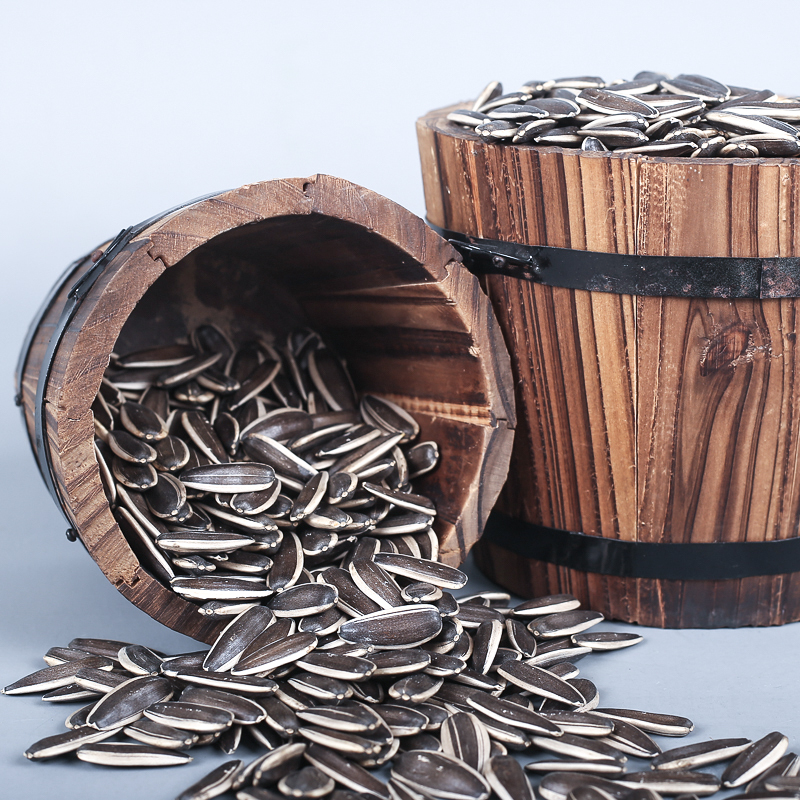
Sunflower seed processing facilities, commonly referred to as healthy sunflower seeds factories, occupy a critical position in the agricultural value chain. These facilities transform raw sunflower seeds, harvested from Helianthus annuus cultivation, into consumable products ranging from in-shell seeds for direct consumption to kernel for oil extraction and further food applications. This guide provides an in-depth technical analysis of the processes, materials science, performance characteristics, and potential failure modes inherent in the operation of a modern sunflower seed processing facility. The core performance indicators – seed quality (oil content, protein, moisture), throughput, and minimization of waste – define the operational success and economic viability of these factories. Addressing issues of seed dormancy, mycotoxin contamination, and efficient dehulling/kernel separation are key pain points within the industry, impacting both product quality and regulatory compliance.
Material Science & Manufacturing
The primary raw material, the sunflower seed, consists of a hull (pericarp) typically comprising 20-30% of the seed weight, and a kernel containing the valuable oil (40-60%) and protein (18-25%). Hull material is composed largely of cellulose, hemicellulose, and lignin, possessing relatively low thermal conductivity. Kernel composition varies based on hybrid variety, growing conditions, and maturity. Key manufacturing processes include pre-cleaning (removing stems, leaves, and large debris using screens and aspiration), dehulling (separating the kernel from the hull using impact or friction methods), kernel separation (employing density-based separators, such as gravity tables or indent machines), grading (sizing kernels for quality control), and drying (reducing moisture content to prevent spoilage, typically to 8-10%). Dehulling is a critical stage; impact dehullers utilize controlled impact force against a stationary surface, necessitating careful adjustment of impact velocity and surface material (often hardened steel or rubber composites) to minimize kernel damage. Friction dehullers utilize abrasive surfaces. Drying typically employs a counter-current flow of heated air, requiring precise temperature and airflow control to prevent overheating and oil degradation. Material selection for processing equipment prioritizes stainless steel (304, 316 grades) for corrosion resistance and food safety, and durable polymers (polypropylene, polyethylene) for conveying systems. Parameter control focuses on maintaining optimal moisture levels, minimizing mechanical damage, and preventing thermal degradation of the oil.
Performance & Engineering
The performance of a sunflower seed processing facility hinges on efficient mass transfer (drying), minimizing particle attrition (dehulling), and precise separation of components. Force analysis is crucial in dehulling systems, determining the optimal impact or friction force needed to remove the hull without damaging the kernel. Environmental resistance is addressed through dust control systems (cyclones, bag filters) to maintain air quality and prevent combustible dust hazards. Compliance requirements center around food safety standards (HACCP, GMP), seed quality regulations (USDA standards, EU regulations), and environmental permits regarding wastewater discharge and air emissions. Functional implementation of quality control utilizes optical sorting technologies, employing cameras and image processing algorithms to identify and remove discolored, damaged, or foreign material. Throughput is directly related to the capacity of each processing unit (cleaners, dehullers, separators, dryers), and bottleneck analysis is critical for optimizing overall plant performance. Kernel breakage during dehulling leads to increased oil loss during extraction and reduced kernel value. Efficient drying reduces the water activity (Aw) of the seeds, inhibiting microbial growth and extending shelf life. The coefficient of friction between the hull and kernel is a key engineering parameter affecting dehulling efficiency.
Technical Specifications
| Parameter | Unit | Typical Value | Acceptable Range |
|---|---|---|---|
| Seed Moisture Content (Input) | % (wb) | 12-14 | 8-16 |
| Kernel Moisture Content (Output) | % (wb) | 8-10 | 6-12 |
| Kernel Damage (Broken/Splits) | % | < 2 | < 5 |
| Hull Content in Kernel | % | < 1 | < 3 |
| Oil Content (Kernel) | % (db) | 48-52 | 40-60 |
| Throughput Capacity | t/hr | 5-20 | 2-30 (depending on plant size) |
Failure Mode & Maintenance
Common failure modes in sunflower seed processing facilities include wear and tear on dehulling equipment leading to increased kernel damage, clogging of separators due to inconsistent seed flow, overheating of dryers resulting in oil degradation and potential fire hazards, bearing failure in rotating equipment due to inadequate lubrication or contamination, and dust explosions caused by accumulation of combustible sunflower hull dust. Fatigue cracking in dehulling rollers and screens is prevalent. Delamination of conveyor belts can occur due to UV exposure or mechanical stress. Oxidation of metal components in humid environments contributes to corrosion. Preventive maintenance programs are critical, including regular inspection of rollers and screens for wear, lubrication of bearings, cleaning of dust collection systems, calibration of sensors and control systems, and thermal imaging of electrical panels to identify potential hotspots. Bearing failure can be mitigated through vibration analysis and oil analysis. Regular cleaning of the facility is essential to prevent dust accumulation. Implementation of a robust lockout/tagout procedure during maintenance minimizes safety risks. Replacing worn components proactively reduces downtime and ensures consistent product quality.
Industry FAQ
Q: What are the primary causes of kernel damage during dehulling?
A: Kernel damage is primarily caused by excessive impact force or friction during dehulling, improper adjustment of dehulling equipment, inconsistent seed moisture content, and the presence of foreign material within the seed lot. Optimizing dehulling parameters, maintaining consistent seed quality, and effective pre-cleaning are essential to minimize damage.
Q: How is mycotoxin contamination monitored and controlled in sunflower seeds?
A: Mycotoxin contamination (aflatoxin, ochratoxin) is monitored through regular sampling and laboratory analysis using techniques like ELISA or HPLC. Control measures include pre-harvest scouting for fungal infections, proper drying and storage to minimize moisture content, and adherence to strict hygiene standards throughout the processing facility. Rejecting contaminated seed lots is crucial.
Q: What are the key considerations for selecting a drying system?
A: Key considerations include throughput capacity, energy efficiency, temperature control precision, air filtration capabilities, and the potential for oil degradation. Fluidized bed dryers and continuous flow dryers are commonly used. Maintaining optimal air temperature and airflow is critical to prevent overheating and preserve oil quality.
Q: What are the best practices for dust explosion prevention?
A: Best practices include regular cleaning to remove dust accumulation, installation of dust collection systems (cyclones, bag filters), grounding and bonding of equipment to prevent static electricity buildup, use of explosion-proof electrical equipment, and implementation of a comprehensive dust hazard analysis (DHA).
Q: How does seed variety impact processing efficiency?
A: Seed variety significantly impacts processing efficiency. Varieties with thinner hulls are easier to dehull, resulting in lower kernel damage and higher throughput. Oil content and kernel size also influence separation efficiency. Selecting varieties suitable for mechanical harvesting and processing is crucial.
Conclusion
The operation of a healthy sunflower seeds factory is a complex undertaking requiring a thorough understanding of material science, engineering principles, and quality control methodologies. Achieving optimal performance relies on precise control of process parameters, proactive maintenance, and adherence to stringent food safety and environmental regulations. Minimizing kernel damage during dehulling and maintaining appropriate moisture content during drying are paramount for maximizing product quality and yield.
Future advancements in sunflower seed processing will likely focus on developing more energy-efficient drying technologies, improving optical sorting algorithms for enhanced quality control, and implementing predictive maintenance strategies based on sensor data and machine learning. Continuous innovation in seed breeding programs to develop varieties with improved processing characteristics will also play a vital role in enhancing the overall efficiency and sustainability of the sunflower seed industry.
